The Milwaukee Brewers Timeless Ticket dispute has become a test of fan trust ahead of the 2026 World Series. Kenosha brothers Kevin and Kyle Deaton say the seating offered for tickets they bought for US$1,000 each in 2015 fell short of the promised experience.
The Brewers have since acknowledged a mistake. Qualifying holders can keep their World Series tickets and retain their Timeless Ticket to redeem for another game in a future season.
What Is the Milwaukee Brewers Timeless Ticket?
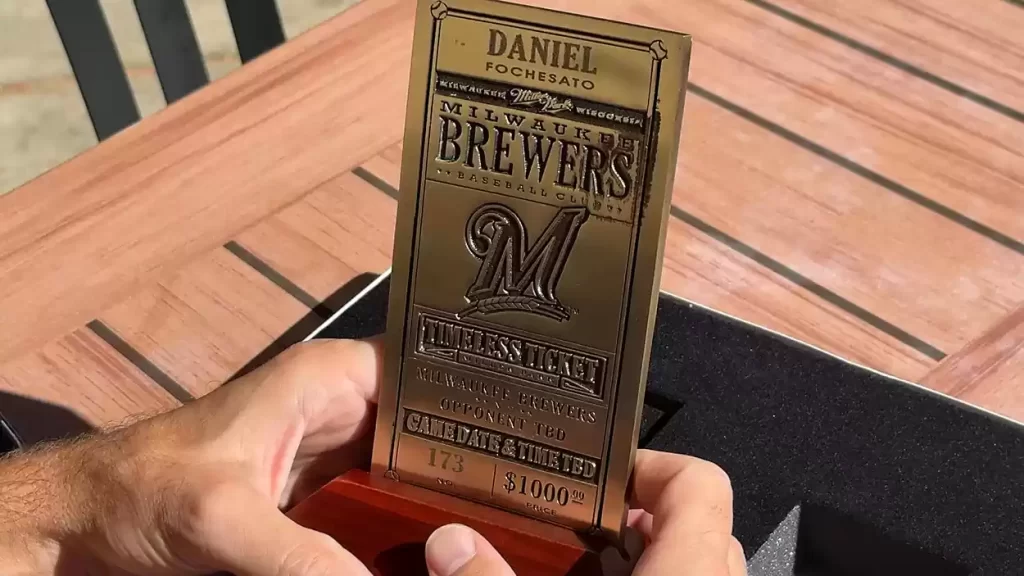
Announced in October 2014, the promotion offered 1,000 tickets at US$1,000 each.
The ticket has no expiry date and covers one future Brewers home game, including the World Series. It is no longer sold.
Buyers could also purchase three companion tickets at full retail price. Crucially, the information card described the seating as “best available seat locations,” qualified by availability when redeemed.
In January 2015, the Brewers expanded the package with nine regular-season ticket vouchers, excluding Opening Day and postseason games.
That wording about availability matters because admission to the ballpark and access to its best available seating represent different expectations. It leaves an operational question for the club: which inventory should ticket holders be able to access?
Why Are the Brothers Challenging Their Seats?
The Deatons told TMJ4 their choices were terrace-level seats or standing room. Kevin said he had expected to be within roughly the first 10 rows, although that was his expectation rather than an express guarantee in the quoted terms.
Kyle also told the station that a ticket-office representative acknowledged better seats existed but said they were outside the allocation for Timeless Ticket holders. That account is central to their complaint: they believed the team was limiting the seating pool before applying its promise.
At the time of the original report, both brothers said they would continue supporting the Brewers but planned to watch from home unless the offer improved.
The Associated Press reported a similar complaint from Milwaukee ticket holder Danny Fochesato. He said he saw better seats during the public sale than those offered through the program. His account suggests the issue extended beyond the two brothers, although it does not establish how every seat was allocated.
How Have the Brewers Responded?
In an October 20 statement, Brewers president of business operations Rick Schlesinger acknowledged errors in the internal communication surrounding redemption. He said the club had accommodated applicants with seats but had fallen short of the program’s intended standard.
“We did not live up to the spirit of the program,” Schlesinger said.
The announced remedy applies to holders who submitted requests before the deadline. They can retain their World Series admission and preserve the Timeless Ticket for later use. It does not announce upgraded seats for everyone.
That distinction is important. An additional future opportunity has value, but it does not automatically resolve a complaint about the location of seats for this particular World Series.
What Can Sport Managers Learn?
From a sport management perspective, this dispute illustrates the risk of selling a memorable promise without making its delivery equally clear. A customer purchasing a future experience needs to understand how priority works when demand peaks.
Teams offering similar products should define whether “available” means all unsold inventory, a designated allocation, or seats remaining after other commitments. They should explain that distinction when selling the product and repeat it before redemption opens.
Ticketing staff also need a consistent procedure for assigning seats, recording requests and escalating disputes. A promotion that can remain unused for years should survive changes in personnel and ticketing systems.
Clear communication should reach buyers before they must decide whether to redeem. A seating map, an explanation of priority and a named contact for unresolved questions would help customers assess their options. Those details are especially important for a product purchased years before the event finally happens.
The Brewers’ decision to preserve future redemption provides a tangible response to the criticism. The next measure of success is whether affected customers understand the offer and consider it fair.
For sport marketers, the wider lesson is practical: build the redemption process alongside the sales pitch. The emotional appeal of being present for a historic game can attract buyers, but the seat they receive is where that promise becomes real.