The Shelf · Books

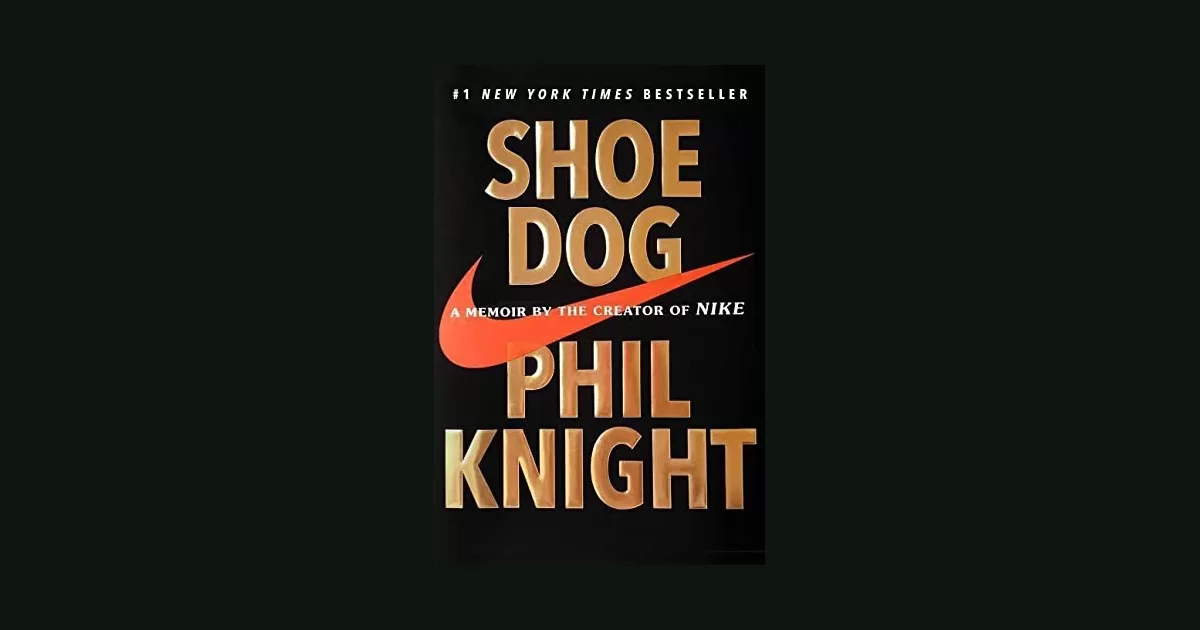
Shoe Dog

By Phil KnightReleased 2016Curated by SPMA Hub because sport culture lives beyond the field.

Shoe Dog is Phil Knight's account of building the company that became Nike, told from inside the uncertainty rather than from the apparent inevitability of the finished brand. Its most useful subject is the distance between selling more shoes and having a business secure enough to survive that growth.

Alex Bennett
Covered by Alex Bennett
The Shelf
Shoe Dog
Shoe Dog
The Gist Of Shoe Dog

The Gist

Why it caught our attention

First published in 2016, the memoir follows Knight's early efforts to import running shoes and the relationships through which the venture develops. Bill Bowerman, his former track coach, is central to the story, alongside the employees and partners who help turn an idea into an organisation.

Nike's later scale can make these beginnings look like the first steps of a settled plan. Knight's narrative works against that impression by returning to unresolved problems: obtaining stock, maintaining financial support and persuading people to stay involved when the next stage is far from guaranteed.

At A Glance

Shoe Dog is Phil Knight's account of building the company that became Nike, told from inside the uncertainty rather than from the apparent inevitability of the finished brand. Its most useful subject is the distance between selling more shoes and having a business secure enough to survive that growth.

About This Shelf Item

About Shoe Dog

The shoe business gives the memoir a concrete organising problem. A product has to be made, financed, delivered and sold before enthusiasm can become a durable enterprise. Knight's affection for running matters, but the company cannot operate on affection alone. The practical demands keep interrupting the more romantic picture of a founder pursuing his vision.

Bowerman brings a different form of knowledge to the partnership. His proximity to athletes connects product thinking to the experience of using a shoe, giving the enterprise a sporting basis beyond its commercial ambition. The relationship illustrates how a founder's opportunity can depend on another person's expertise, reputation and willingness to experiment.

The early employees also complicate a solitary-founder reading. Their work and commitment help the business function before its identity becomes internationally recognisable. Knight presents the venture through relationships that are sometimes awkward, intense and difficult to separate from personal loyalty. Those relationships are part of the operating system, not merely colourful stories alongside the real business.

Because this is a memoir, the account is also an act of selection. Knight decides which difficulties to explain and how to characterise the people around him. The candour of a passage does not remove that perspective. Reading the book carefully means appreciating the inside view while recognising that the founder's experience is not the complete history of the company.

Why It Belongs

The Sport Connection

Shoe Dog is especially relevant to sport business because it connects participation with products. Knowledge of runners and their needs becomes a commercial opportunity, but succeeding requires building systems around that knowledge. The gap between understanding a sport and operating a company is where much of the memoir's tension resides.

It also gives growth a less comfortable meaning than the word usually carries. Greater demand can require more inventory and more financial support before the corresponding money returns. A business can appear to be advancing while its immediate position becomes more precarious. That distinction makes the story useful beyond the excitement of Nike's eventual success.

The book should not be treated as evidence that persistence guarantees a comparable outcome. Readers already know which venture survived long enough for its founder to write a famous memoir. The more valuable exercise is to examine particular decisions and relationships without assuming that every risk was wise simply because the company endured.

Our Recommendation

Why Read Shoe Dog

Read Shoe Dog for its account of the work hidden by a familiar logo. It is strongest when uncertainty remains visible: a supplier relationship can change, a financial arrangement can tighten, and a promising idea can generate obligations its founder is not yet equipped to meet.

Readers seeking a comprehensive investigation of Nike's later labour practices, marketing power or global supply chain will need additional sources. This book's central contribution is narrower and more personal. It shows how Knight remembers the formative years of the business and the people he believes made them possible.

Final Thoughts

Alex's Final Thoughts

Shoe Dog's place on the Shelf comes from making a major sports brand feel contingent again. The useful lesson is not that every ambitious founder should imitate Knight's decisions. It is that a product, a community of users and a committed group of people still need workable financial and organisational arrangements before belief can become a lasting business.