
The Shelf · Movies

Youngblood (2025)

Released 2025Curated by SPMA Hub because sport culture lives beyond the field.

The new Youngblood revisits a familiar hockey premise with a sharper question about emotional control. Dean Youngblood's opportunity depends on more than whether he can compete physically. The film asks what happens when an athlete must reconsider the anger and expectations that have helped define his approach to the game.

Alex Bennett
Covered by Alex Bennett
The Shelf
Youngblood (2025)
Youngblood (2025)
The Gist Of Youngblood (2025)

The Gist

Why it caught our attention

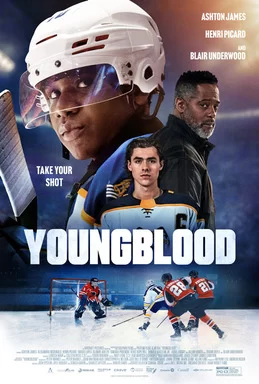
Hubert Davis directs the remake, starring Ashton James as Dean and Blair Underwood as his father. The film premiered at the 2025 Toronto International Film Festival and received its United States theatrical release on March 6, 2026. Those dates refer to the same film, not separate remakes.

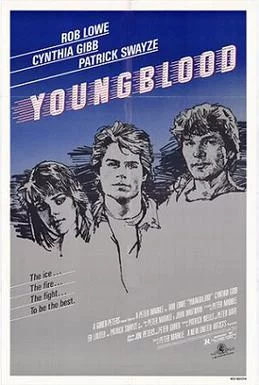
For that reason, this Shelf entry uses the 2025 premiere year while also identifying the 2026 release. It is separate from Peter Markle's 1986 Youngblood, which stars Rob Lowe and Patrick Swayze.

At A Glance

The new Youngblood revisits a familiar hockey premise with a sharper question about emotional control. Dean Youngblood's opportunity depends on more than whether he can compete physically. The film asks what happens when an athlete must reconsider the anger and expectations that have helped define his approach to the game.

About This Shelf Item

About Youngblood (2025)

Well Go USA's official synopsis follows a Detroit hockey prospect joining the Hamilton Mustangs in Canada. Dean's talent is complicated by arrogance, his father's influence and the demands of a new team. The story includes mentorship from captain Sutton and a confrontation with rival Carl Racki.

The release history distinguishes the 2025 festival premiere from the 2026 commercial opening. The important narrative distinction is that the remake places Dean's response to pressure at the centre of his development, rather than treating ability as a complete explanation of readiness.

Why It Belongs

The Sport Connection

For coaches, the film offers a useful way to separate competitive intensity from effective self-management. Anger may feel energising, but the relevant performance question is what an athlete can do with that energy. A team needs players who can make decisions within a shared plan, not simply demonstrate that a contest matters to them.

The father-son relationship adds a second form of pressure. Advice offered as protection can become restrictive when it teaches an athlete to interpret every challenge as disrespect. A young person may need to reconsider that lesson without reducing a parent to either a villain or an unquestionable authority.

The management parallel concerns feedback. Benching an athlete can communicate a standard, but the standard becomes more useful when the player understands what improvement would look like. Discipline without a credible developmental path risks producing resentment rather than learning. The film's premise makes room to examine the relationship between accountability, explanation and the opportunity to respond differently.

Our Recommendation

Why Watch Youngblood (2025)

Watch for how the remake distributes responsibility between the athlete and his environment. Dean's choices matter, but those choices occur within relationships that have taught him what strength, loyalty and success are supposed to mean. Development can involve questioning that education rather than simply adding more technical training.

The comparison with the 1986 film is especially useful around toughness. Does the newer story preserve the same test of belonging, or ask a different question about what an athlete should learn? A remake can revisit recognisable characters and situations while changing the values through which an audience is invited to judge them.

The hockey action should remain part of a fictional drama, not a coaching prescription. The practical discussion is about alternatives when emotion begins to narrow an athlete's choices. What support allows someone to pause, recognise a pattern and act with greater control? That question is relevant to competitive teams without requiring every viewer to share Dean's background or face the same conflict.

Final Thoughts

Alex's Final Thoughts

SPMA's reading of the Youngblood remake centres on the possibility that maturity involves changing the meaning of strength. An athlete may need to become more deliberate, not merely more forceful, to make full use of an opportunity.

Its place beside the original film creates a useful two-part Shelf comparison: the same sport can support different stories about belonging and development at different times. The lasting question is whether a team helps its young players expand their choices under pressure, or leaves them repeating an inherited response even when that response is beginning to work against the future they want.