The Shelf · Music

Right Field

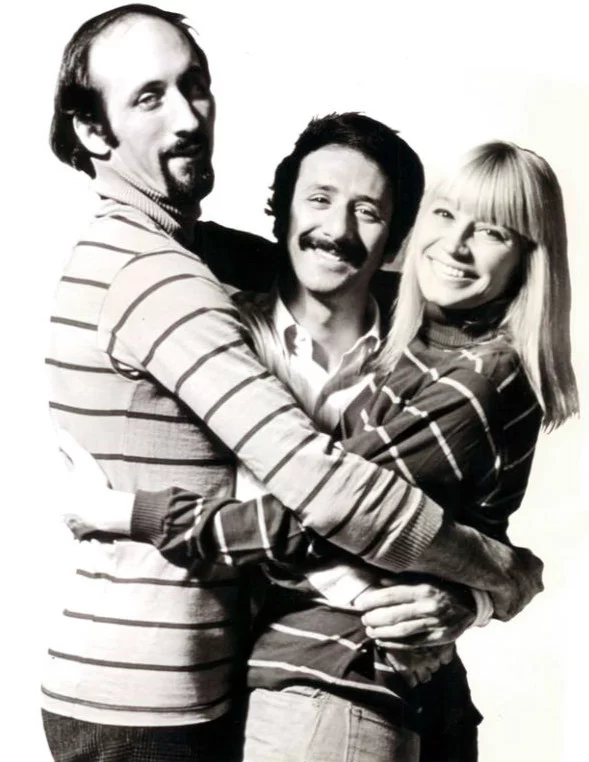
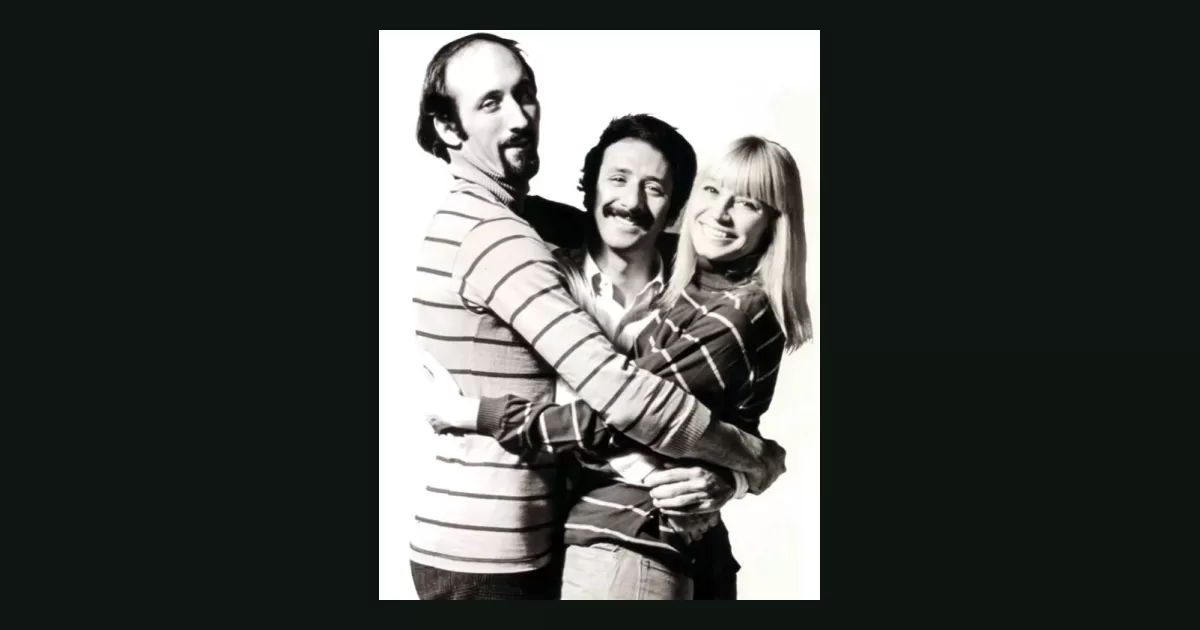
By Peter, Paul and MaryReleased 1986Curated by SPMA Hub because sport culture lives beyond the field.

Peter, Paul and Mary's Right Field, written by Willy Welch, remembers the child who is picked last in a baseball game. It is a small story about belonging, not a celebration of stars.

Alex Bennett
Covered by Alex Bennett
The Shelf
Right Field by Peter, Paul and Mary
Right Field
The Gist Of Right Field

The Gist

Why it caught our attention

In Right Field, baseball is viewed from the position where a child hopes nobody will hit the ball. The narrator is regularly chosen near the end when teams are picked, sent to an outfield spot and left to wonder whether he will ever contribute. It is a recognisable scene from informal youth sport, and the song treats it with more affection than mockery.

Written by Willy Welch and recorded by Peter, Paul and Mary for their 1986 album No Easy Walk to Freedom, the track uses the group's clear storytelling style to turn a schoolyard game into a memory of exclusion and possibility. That combination makes the song especially relevant to coaches and recreation leaders who think about which children experience sport as a welcoming place.

At A Glance

Peter, Paul and Mary's Right Field, written by Willy Welch, remembers the child who is picked last in a baseball game. It is a small story about belonging, not a celebration of stars.

About This Shelf Item

About Right Field

The detail of right field matters because the story depends on the hierarchy of positions in a casual youth game. Confident players get the places they want, while less athletic children may be sent to areas where their peers expect little of them. The song avoids treating the narrator's awkwardness as a character flaw. It lets the listener inhabit the boy's worries, attention and occasional hope.

Its baseball ending gains emotional weight from everything that precedes it. A child who has spent much of the game feeling peripheral suddenly has a reason to believe he might matter. That moment does not erase the social dynamics that put him there, but it shows why sports memories can be disproportionately shaped by one opportunity.

The joke is gentle, not cruel. That matters because nostalgia about childhood sport often brushes past the embarrassment felt by the least-skilled participant. Welch allows the nervous child’s perspective to remain central even when the story becomes funny.

Why It Belongs

The Sport Connection

For youth-sport administrators, the practical question is whether adults reproduce these hierarchies or actively change them. Informal team selection can feel harmless to experienced participants while telling others, repeatedly, that they are not wanted. Coaches who manage participation, rotate responsibilities and develop skills across positions can create a very different experience.

The song is not a research study and should not be presented as one. It does, however, provide a vivid account of what it feels like to occupy an unnoticed place on a team. That perspective is easy to lose when coaching reports focus almost entirely on the best performers or on winning percentages.

Our Recommendation

Why Listen Right Field

Peter, Paul and Mary's performance makes space for vulnerability without turning it into a lecture. The easy-to-follow narrative sounds like the way an adult might remember childhood embarrassment with tenderness. Welch's writing understands that a small schoolyard event can remain important to the person who experienced it even when the game has no official record.

The music also stands apart from the band's better-known civil-rights and social-justice repertoire while sharing an interest in whose experiences are heard. By taking an overlooked child seriously, the recording creates an accessible story about inclusion that does not require a professional sports backdrop.

Alex Bennett

Final Thoughts

Alex's Final Thoughts

Hear Right Field for the child's viewpoint before seeking a lesson for coaches. The narrative would lose much of its quality if every detail were treated as a pretext for another slogan about teamwork. Its strength is the gap between how little the game seems to demand of the narrator and how much the outcome means to him.

A child waiting alone in right field has an experience the scorebook cannot capture. Welch and Peter, Paul and Mary put that person at the centre, where confident players and coaches might never have looked. The song's enduring usefulness comes from taking that perspective seriously. Participation is not simply a matter of putting every child on a roster; it also means giving each of them a moment in which belonging feels possible.