The Shelf · TV Series

TYSON

Released 2026Curated by SPMA Hub because sport culture lives beyond the field.

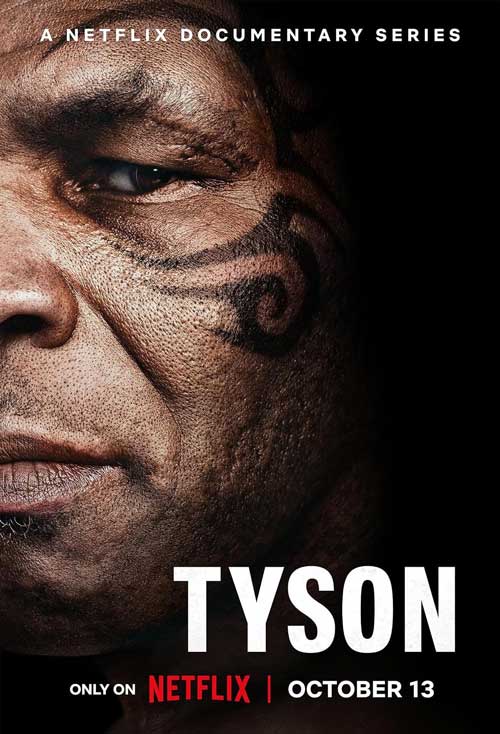
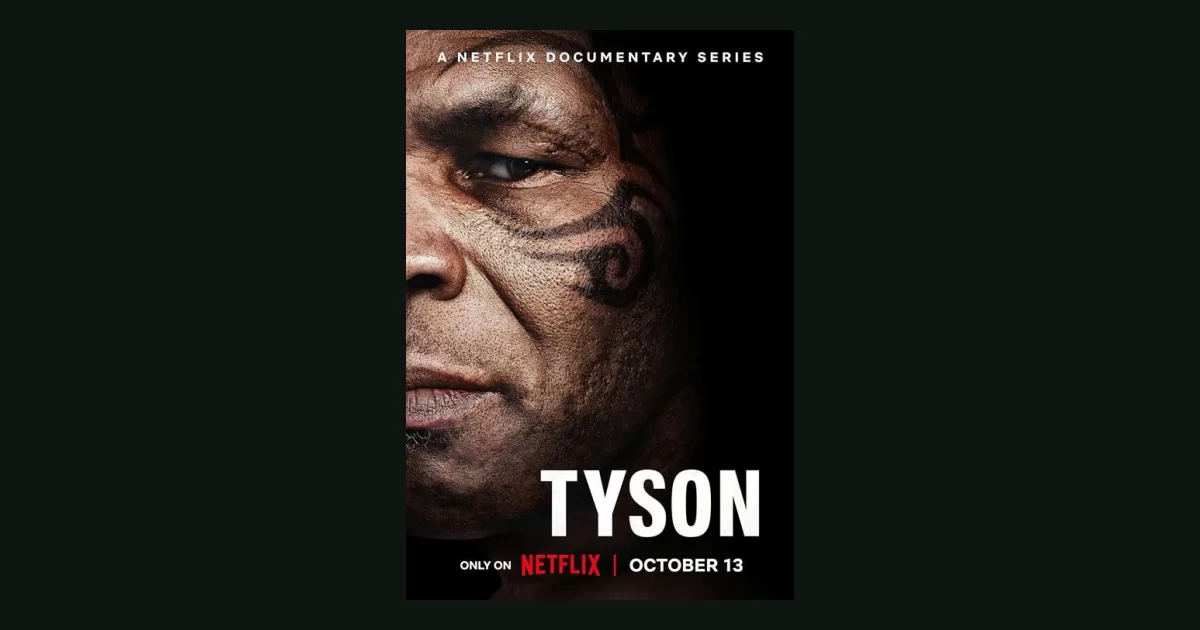
TYSON is Netflix’s four-part 2026 documentary series about Mike Tyson, directed by Floyd Russ. Through Tyson’s account and interviews with people around him, it examines how a gifted young boxer became a global sports property, and what that ascent, and the controversies that followed, meant for the people and institutions around him.

Arash Sayed
Covered by Arash Sayed
The Shelf
TYSON
TYSON
The Gist Of TYSON

The Gist

Why it caught our attention

Netflix released TYSON on October 13, 2026, with four episodes titled Power, Greed, Trust and Human. The names suggest an orderly progression, but Tyson’s career resists an uncomplicated rise-and-redemption narrative. Boxing talent, managerial authority, celebrity, criminal accountability and the financial business of promotion overlap throughout the story. The documentary is a valuable sports-management case study precisely because those questions cannot be separated neatly.

Directed by Floyd Russ, the limited series draws on contemporary interviews and archival material to revisit Tyson’s childhood in Brooklyn, his relationship with trainer Cus D’Amato, his heavyweight success and the public crises that followed. For an audience interested in sport rather than celebrity alone, the crucial question is not simply how Tyson became famous. It is who exercised influence over his sporting career, and what happens when fame grows faster than the systems meant to protect an athlete and the people affected by his choices.
At A Glance

TYSON is Netflix’s four-part 2026 documentary series about Mike Tyson, directed by Floyd Russ. Through Tyson’s account and interviews with people around him, it examines how a gifted young boxer became a global sports property, and what that ascent, and the controversies that followed, meant for the people and institutions around him.

About This Shelf Item

About TYSON

The opening episode, Power, concentrates on the years before and during Tyson’s emergence as a heavyweight prospect. Cus D’Amato’s mentorship figures prominently. D’Amato offered boxing instruction and a personal structure, but the relationship also illustrates how much authority can accumulate around a vulnerable young athlete when coaching extends into nearly every part of life. Tyson became the youngest heavyweight champion in history at age 20, a sporting milestone that turned his personal story into a major commercial opportunity.

The subsequent episodes move into the pressures of celebrity, promotion and loss of control. Greed considers the tensions surrounding Tyson’s career after his rise; Trust deals with defeat and his criminal conviction; Human follows retirement, later reinvention and recovery. This is Tyson recalling his life, not a neutral institutional history of boxing. He is also among the project’s producers. Viewers should understand that firsthand access can reveal emotional detail while still leaving important experiences and competing accounts beyond the frame.

Why It Belongs

The Sport Connection

Tyson’s professional ascent is a useful example of how boxing differs from a team league. In boxing, a star athlete, promoters, managers, trainers, broadcasters and sanctioning bodies may have overlapping commercial interests without operating under one employer. The athlete’s name can become the primary product. That creates extraordinary earning potential, but it also makes governance, contract advice, financial literacy and independent support essential.

D’Amato’s role raises the difference between constructive mentorship and dependence on a single powerful adviser. Effective athlete development requires technical instruction, personal trust and safeguards that do not disappear when a relationship changes. The Tyson story also makes reputation management unavoidable. Media access and endorsement opportunities can amplify success; they cannot substitute for ethical accountability. The documentary’s handling of Tyson’s conviction for rape and allegations of abuse deserves particular scrutiny. Any discussion of his rehabilitation must leave space for victims and the harm involved, even when the production does not fully examine those perspectives.

Our Recommendation

Why Watch TYSON

For students and professionals entering sports management, TYSON supplies several real questions rather than a simple list of lessons. Who should represent an athlete when commercial, coaching and personal interests collide? How can an adviser challenge decisions that threaten long-term welfare when the athlete is generating exceptional revenue? What obligations do promoters and media partners have when selling the image of a controversial competitor? And what distinguishes a documentary that earns access from one that also tests its subject’s version of events?

The four-episode format provides enough room to trace those choices over time. It is especially useful alongside independent reporting and historical accounts that fill gaps left by Tyson’s narration. The Guardian’s contemporary review, for example, questions how fully the series interrogates his record. Treating the documentary as one account among several makes it more informative, not less. A sport organization’s legacy should be assessed through evidence and responsibilities, not only through the persuasive power of a central personality.

Final Thoughts

Arash's Final Thoughts

TYSON belongs on the SPMA Shelf because it shows how sporting achievement can become both a commercial empire and a difficult test of institutional judgment. The interviews offer access to one of boxing’s best-known figures, while the gaps in the account are a reminder that access is not the same thing as independence. For a sport-management audience, those two observations belong together.

Watch it for the coaching relationship, the promotional machinery, the changing business of a superstar athlete and the unresolved questions of accountability. Then read beyond it. The most useful understanding of Tyson’s legacy will come from comparing what the documentary emphasizes with what others can substantiate.