Career Guide
About This Role
Sport organizations operate in one of the most closely followed areas of public life. Journalists, broadcasters, digital publishers, fans, and commentators want timely information about teams, athletes, events, competitions, injuries, announcements, records, and organizational decisions. A Media Relations Manager helps manage the relationship between the organization and the media professionals covering it.
The role requires strong writing, judgment, organization, and interpersonal skills. Media Relations Managers distribute information, coordinate interview opportunities, support press conferences, manage credentials, prepare spokespersons, respond to inquiries, and help ensure that media operations run effectively around games and major events.
The Role of a Media Relations Manager in Sport Organizations
A Media Relations Manager serves as a key connection between the sport organization and external media. The manager helps journalists access accurate information while also protecting confidential information and supporting the organization’s communication objectives.
The job can involve both proactive and reactive communication. Proactive work includes announcements, story pitching, media notes, and interview opportunities. Reactive work includes responding to questions, correcting inaccurate information, coordinating statements, and managing media interest during breaking news.
Press Releases and Media Materials
Managers write and distribute press releases, media advisories, game notes, backgrounders, biographies, statistical information, and other materials. Accuracy is essential because journalists may rely on these documents when reporting stories.
Interview Coordination
Media Relations Managers schedule interviews with athletes, coaches, executives, and other spokespersons. They may coordinate interview locations, timing, virtual links, broadcast requirements, and availability around practices, games, travel, and organizational schedules.
Press Conferences and Media Events
Announcements, post-game press conferences, media days, drafts, signings, and major events require detailed coordination. Managers help organize media spaces, credentials, audio feeds, backdrops, timing, seating, and spokesperson preparation.
Media Inquiries
Journalists often work on tight deadlines. Media Relations Managers need to respond quickly, determine whether information can be provided, identify the appropriate spokesperson, and coordinate an accurate response.
Game-Day Media Operations
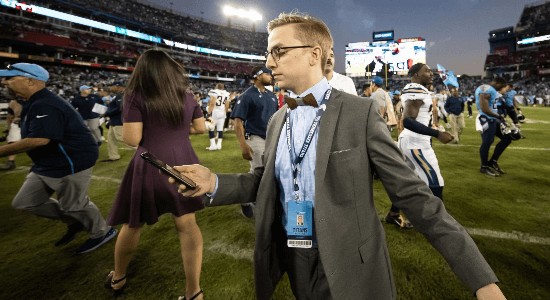
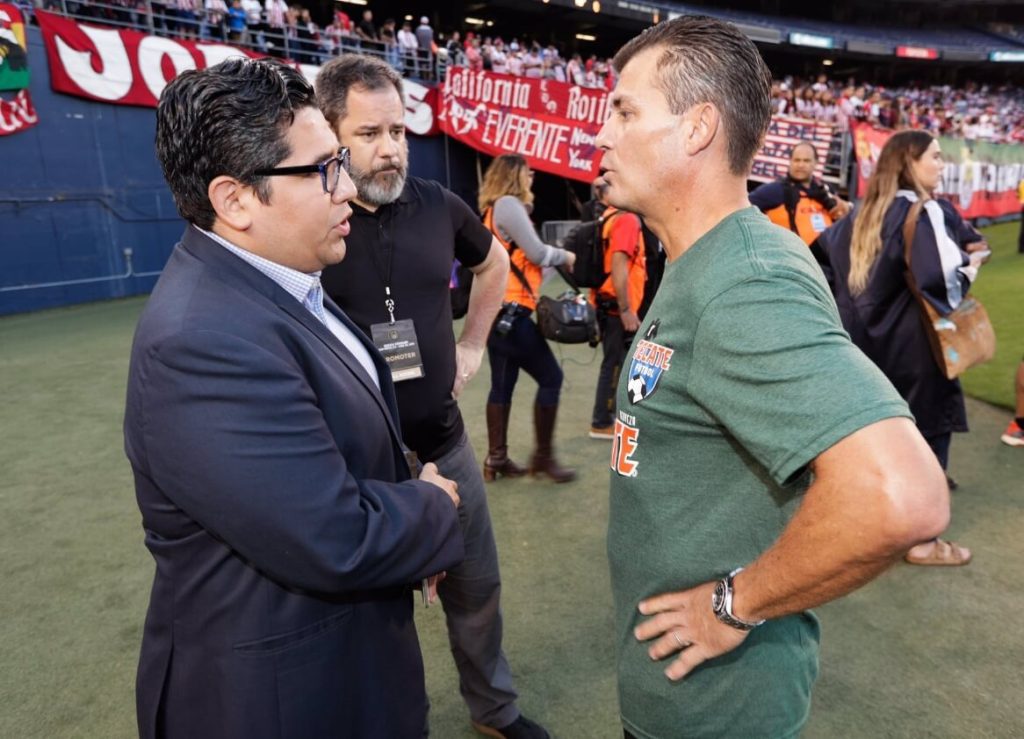
At live events, managers may oversee credential pickup, press seating, interview areas, statistics distribution, media workrooms, photo access, and post-event availability. Smooth operations help both the media and the sport organization do their jobs effectively.
Key Skills and Qualifications
Excellent Writing
Media relations materials need to be clear, concise, accurate, and often produced under deadline pressure. Strong editing and proofreading skills are equally important.
News Judgment
Managers should understand what journalists consider newsworthy and how a story may be interpreted. This helps them anticipate questions, identify opportunities, and prepare useful information.
Relationship Management
Professional relationships with reporters and broadcasters matter. Strong managers are responsive and reliable while maintaining appropriate organizational boundaries.
Composure Under Pressure
Sport news can change quickly. Injuries, trades, disciplinary matters, organizational announcements, or controversial events may generate intense media interest. Managers need to stay calm and follow established communication procedures.
Attention to Detail
Names, statistics, dates, records, schedules, and credentials must be accurate. Small errors can spread quickly once information has been published.
Education and Experience
Common backgrounds include communications, journalism, public relations, sport management, media studies, or English. Experience writing for a sport information office, student newspaper, communications department, team, league, or media outlet can be especially valuable.
Working in Media Relations
The schedule follows the sport calendar. Nights, weekends, travel, and long event days can be part of the job. Deadlines are often immediate, especially after games or when major news breaks.
For people who enjoy writing, news, relationships, and fast-moving environments, media relations offers a close connection to the stories and people at the centre of sport.
Career Path and Professional Development
Media Relations Managers often begin in communications assistant, sport information, journalism, public relations, content, or media operations roles. Early experience writing game notes, preparing releases, compiling statistics, coordinating interviews, and working directly with reporters helps build the accuracy and judgment required for greater responsibility. University athletics and minor-league organizations can provide especially broad experience because staff members often handle many communication functions.
With experience, professionals may become Senior Media Relations Manager, Director of Communications, Director of Public Relations, Vice President of Communications, or a communications leader for a league, team, governing body, or agency. Some move into broadcasting, content strategy, athlete communications, or corporate communications because the ability to manage information under deadline pressure transfers well to related fields.
What Employers Look For
Employers look closely at writing quality, attention to detail, and judgment. Candidates may be asked to provide writing samples or discuss how they would handle a difficult media request. Knowledge of the sport, its statistics, and the rhythms of a competitive season can be valuable, but the ability to verify information and communicate accurately is even more important.
Professional relationships also matter. Reporters need timely access to information, while the organization needs clear procedures and appropriate boundaries. A strong Media Relations Manager can be responsive without speculating, helpful without disclosing confidential information, and calm when interest becomes intense. Experience with press conferences, media credentialing, interview logistics, crisis communications, or live-event operations can further demonstrate readiness for the role.
Preparing for High-Interest Stories
Some of the most important media-relations work happens before a difficult question is asked. Managers monitor developing stories, gather verified facts, identify the correct spokesperson, prepare background information, and discuss likely questions with leadership. This preparation helps the organization respond accurately when news develops quickly and reduces the risk of inconsistent messaging.
Media Relations Managers also need to understand the needs of different outlets. A television crew may require a specific interview location and technical access, while a beat reporter may need statistics or clarification before a deadline. Digital publishers may work on much shorter timelines than traditional print outlets. By understanding these differences, the manager can organize access efficiently while applying consistent rules. The ability to balance media needs with team operations, athlete schedules, privacy, and organizational policy is a major part of the profession.
Conclusion
A Media Relations Manager helps a sport organization communicate effectively with journalists and broadcasters while supporting accurate, professional media coverage. The role includes writing, interview coordination, press conferences, inquiry management, credentialing, and live-event media operations.
Strong media relations professionals combine speed with accuracy and accessibility with judgment. Their work helps ensure that important sport stories can be communicated clearly to the public while the organization maintains an effective and professional media operation.