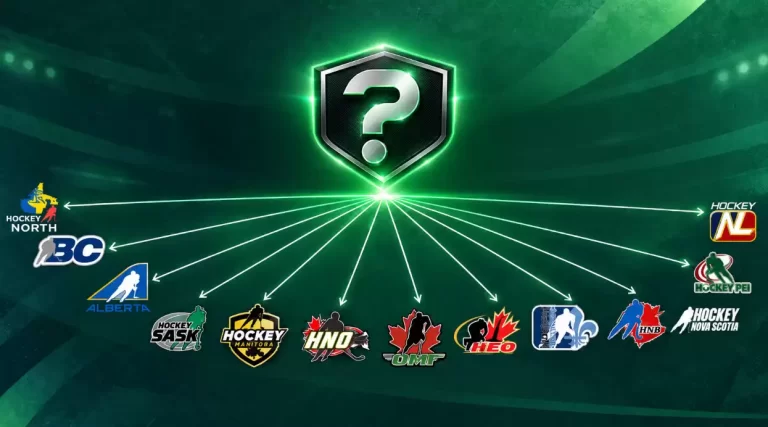
An NHL game can be unavailable in part of Canada because the league sells national and regional broadcast rights separately. A regional channel may show a game only inside the team's assigned territory, even though the signal or streaming app is technically available somewhere else.
Why location matters
The Canadian Radio-television and Telecommunications Commission (CRTC) explains that leagues designate broadcast regions. A station that acquires regional rights is permitted to show those games to viewers in the assigned area. A blackout outside that territory enforces the contract; it usually has nothing to do with the seat capacity of the arena or an unwillingness to sell tickets.
For example, Sportsnet explains that its regional NHL telecasts operate under league-defined territories. A national Saturday broadcast and a regional midweek broadcast can have different rights even when they involve the same teams. The current streaming subscription and platform rules must also be checked because a product name alone does not guarantee access to every game.
A quick viewer checklist
- Is the game part of a national rights package or a regional package?
- Which club's regional territory applies to that broadcast?
- Where is the subscriber physically located, according to the service's policy?
- Does the subscription include the correct in-market or out-of-market rights?
Two people who subscribe to the same broad service can therefore have different viewing options in different provinces. That does not mean their teams receive different on-ice competition rules.
The sports-business reason
Territorial exclusivity can raise the value of local packages and preserve a market for national broadcasts. The trade-off is confusion for fans travelling or using streaming services. The contracts change over time, so league and broadcaster game finders are more reliable for a specific match than an old blanket list of blackout zones.