The Shelf · Books

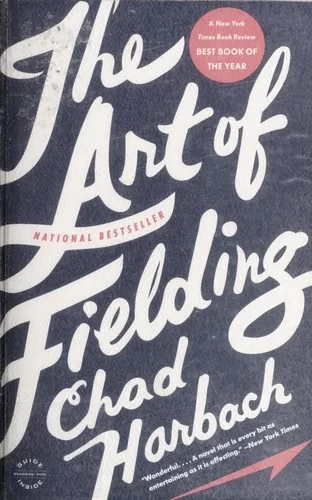
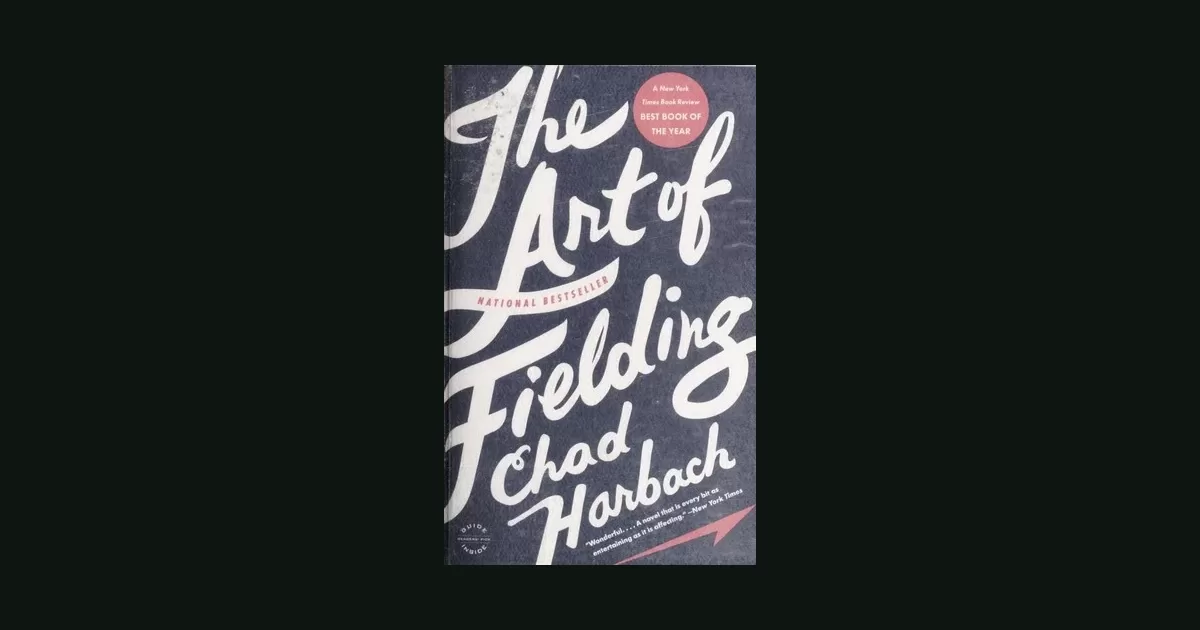
The Art of Fielding

By Chad HarbachReleased 2011Curated by SPMA Hub because sport culture lives beyond the field.

The Art of Fielding begins with a gifted shortstop and an errant throw, then follows the consequences far beyond the baseball diamond. Chad Harbach uses Henry Skrimshander's disrupted confidence to examine what happens when a talent becomes the foundation of a person's identity.

Alex Bennett
Covered by Alex Bennett
The Shelf
The Art of Fielding
The Art of Fielding
The Gist Of The Art of Fielding

The Gist

Why it caught our attention

Published in 2011, the novel is set at the fictional Westish College, beside Lake Michigan. Henry's promise attracts the attention of team captain Mike Schwartz, whose investment in developing him becomes central to both their lives. Around them, Harbach builds an interconnected campus story involving Henry's roommate and teammate Owen Dunnegay, college president Guert Affenlight and Guert's daughter Pella.

Baseball provides the novel's starting language of skill, repetition and expectation. The book expands from there into relationships whose difficulties cannot be settled by playing a cleaner game or meeting a more demanding standard.

At A Glance

The Art of Fielding begins with a gifted shortstop and an errant throw, then follows the consequences far beyond the baseball diamond. Chad Harbach uses Henry Skrimshander's disrupted confidence to examine what happens when a talent becomes the foundation of a person's identity.

About This Shelf Item

About The Art of Fielding

Henry initially seems to possess an unusually natural relationship with fielding. His ability gives him a way to move through the world and gives other people a reason to imagine his future. When that relationship becomes unstable, the problem is larger than correcting a mechanical error. He must continue acting while becoming painfully aware of actions that once felt fluent.

Mike's role complicates the usual portrait of a helpful mentor. He recognises Henry's potential and contributes to its development, but his investment also creates dependence and competing claims on their time. Helping another person succeed can become a source of purpose that makes it difficult to examine what is happening to one's own ambitions.

The other characters prevent Henry's struggle from absorbing the entire novel. Owen's relationship with Guert carries questions about desire and institutional authority, while Pella's return to her father introduces another attempt to rebuild a life after disappointment. Their stories make Westish feel like a place where several forms of uncertainty coexist, rather than a campus arranged solely around a promising athlete.

Harbach's structure is therefore important to the book's sporting meaning. The baseball plot does not stand apart from the rest of life. It intersects with friendship, intimacy and the possibility that a person's most familiar role may no longer provide an adequate explanation of who they are.

Why It Belongs

The Sport Connection

The novel is particularly rewarding when read as an examination of expertise under self-conscious pressure. A well-practised movement can become difficult when the athlete starts monitoring every part of it. Henry's experience gives that problem an emotional setting: the action matters so much because his future and self-image have become attached to performing it correctly.

Mike and Henry also raise a precise question about athlete development. When does a mentor's commitment support independence, and when does it begin to make both people dependent on the same outcome? Harbach leaves room for generosity and possessiveness to exist within the relationship at once.

The college setting adds another tension. An institution can offer a person time to develop, but exceptional sporting promise can narrow that time towards a single imagined destination. The novel asks what remains available when that destination becomes less certain, without treating uncertainty as proof that the years spent playing were wasted.

Our Recommendation

Why Read The Art of Fielding

Read The Art of Fielding if you want fiction that takes baseball seriously without requiring every major conflict to be resolved on the field. The sport's demands are essential to Henry's story, but the surrounding lives keep widening the questions it raises.

It is a better choice for readers interested in character and relationships than for someone seeking a brisk sequence of decisive games. Its patience is part of its purpose. A performance crisis can be described in a sentence, but understanding what that crisis threatens requires attention to the life built around it.

Final Thoughts

Alex's Final Thoughts

The Art of Fielding deserves its Shelf place because it distinguishes loving a sport from needing that sport to explain one's entire worth. Henry's difficulty reaches beyond an errant throw, just as Mike's care reaches beyond simple encouragement. Harbach makes the space between those meanings the centre of a novel about talent, attachment and the unsettling work of becoming less certain of oneself.