The Shelf · Movies

Dogtown and Z-Boys

Released 2001Curated by SPMA Hub because sport culture lives beyond the field.

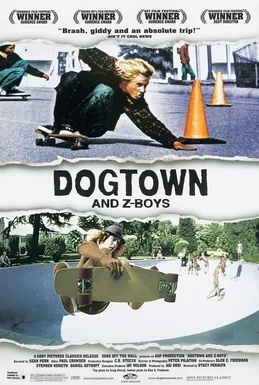
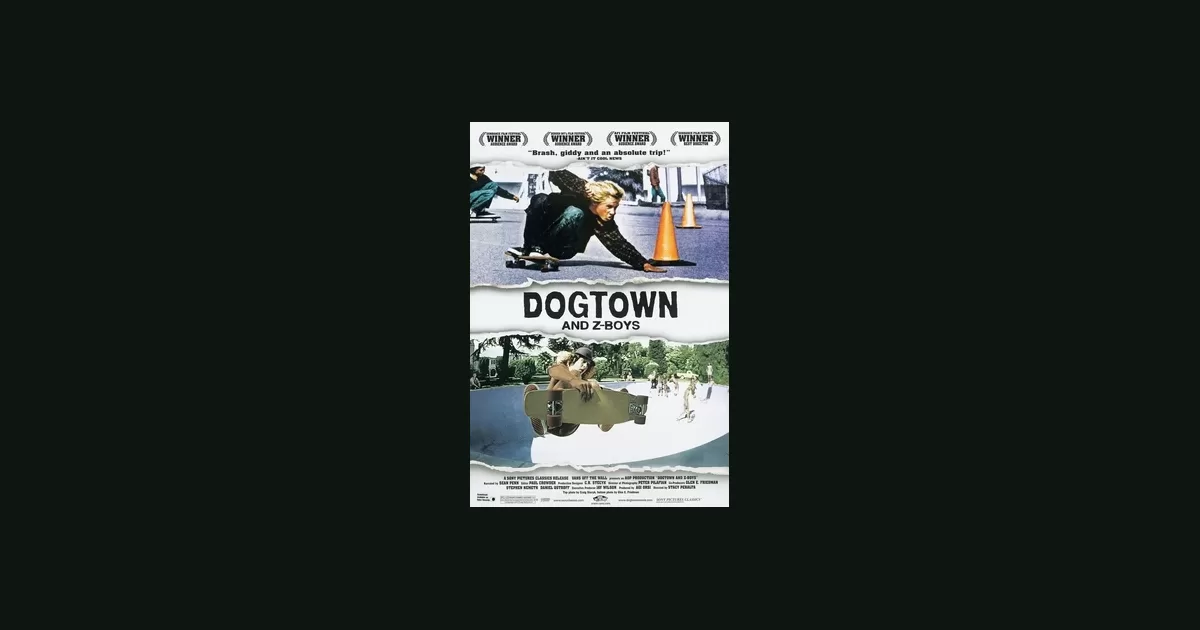
Dogtown and Z-Boys traces a sporting revolution to a specific group of young people and a specific stretch of Southern California. Stacy Peralta's documentary follows the Zephyr skateboard team, showing how surfing style, local identity and experimentation helped change what skateboarding could look like.

Alex Bennett
Covered by Alex Bennett
The Shelf
Dogtown and Z-Boys
Dogtown and Z-Boys
The Gist Of Dogtown and Z-Boys

The Gist

Why it caught our attention

Released in 2001, the film combines archival footage, photographs and later interviews, with Sean Penn providing narration. Peralta was himself a member of the group, giving the account unusual intimacy while also making its perspective important to recognize.

The story is not simply that talented teenagers appeared and became famous. It concerns how a community developed a shared visual language and a way of moving, then carried those qualities into settings where they could be noticed, imitated and eventually marketed.

The Details

Quick facts

Format
Movie
Released
2001
Relevant Sport
Skateboarding

At A Glance

Dogtown and Z-Boys traces a sporting revolution to a specific group of young people and a specific stretch of Southern California. Stacy Peralta's documentary follows the Zephyr skateboard team, showing how surfing style, local identity and experimentation helped change what skateboarding could look like.

About This Shelf Item

About Dogtown and Z-Boys

The Z-Boys' roots in surfing help explain the low, aggressive style they brought to skateboarding. Movement on land retained a relationship to the wave, even as new surfaces invited different possibilities. Banks and emptied swimming pools became places for invention rather than conventional sporting facilities.

The film gives local context a substantial role. The team's identity emerged from an area and a social environment that shaped how its members understood themselves. Their attitude was not a decorative accessory added to a finished sport. It helped determine which movements they valued and how they presented those movements to others.

As attention increased, the group entered a world of contests, sponsorship and individual opportunity. Recognition could reward the style that had developed collectively while separating the people who created it. The documentary's movement from shared scene to public influence makes commercialization a concrete process, experienced through changing careers and relationships rather than discussed only as an abstract threat to authenticity.

Why It Belongs

The Sport Connection

Dogtown and Z-Boys is useful for examining how innovation can begin outside established sport structures. The new possibilities were not designed by a governing body and then introduced through a formal development programme. They emerged from participants adapting their surroundings and learning from one another.

That history raises questions about who receives credit when a local practice becomes a wider industry. Individual stars are easier to promote than a complicated network of influences, places and relationships. The film restores some of that network while also contributing to the mythology around a particularly influential group.

For organizations trying to support emerging activities, the lesson is not to manufacture an imitation of rebellion. It is to notice that expertise and creativity may already exist in communities whose methods do not resemble a conventional training system.

Our Recommendation

Why Watch Dogtown and Z-Boys

The archival images are central to the film's appeal. They allow viewers to see a style developing rather than relying entirely on retrospective claims about its importance. Photographs and footage also show how media helped the movement travel beyond the people physically present.

Peralta's insider position makes the account vivid, but it should not be treated as an exhaustive history of skateboarding. The focus on the Zephyr team gives the film coherence and emotional force while leaving other contributors outside its frame. That is a productive point for discussion: a documentary can preserve a neglected story and still require viewers to distinguish its chosen centre from the entire history of a sport.

The relationship between the photographed moment and the remembered story is especially revealing. Style becomes something that can circulate, influence strangers and eventually stand for a whole scene.

Alex Bennett

Final Thoughts

Alex's Final Thoughts

Dogtown and Z-Boys earns its place through the relationship it draws between style and circumstance. The skating matters because it came from particular bodies, places and shared experiences, not because innovation appeared from nowhere. Its energy makes the history inviting, while its commercial turn complicates the celebration. For SPMA readers, the film opens a substantial discussion about informal development, ownership of cultural influence and what happens when a community's distinctive practice becomes valuable to a much larger market.