The Shelf · Movies

The Big Green

Released 1995Curated by SPMA Hub because sport culture lives beyond the field.

The Big Green is a Disney comedy about children discovering soccer in a small Texas community. Underneath its familiar underdog plot is an important question for grassroots sport: who builds the first opportunity when no established program is waiting for interested players?

Arash Sayed
Covered by Arash Sayed
The Shelf
The Big Green
The Big Green
The Gist Of The Big Green

The Gist

Why it caught our attention

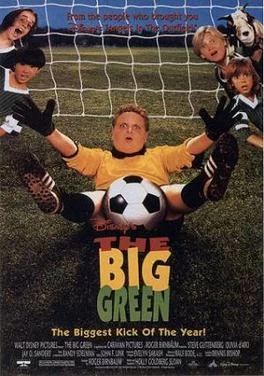
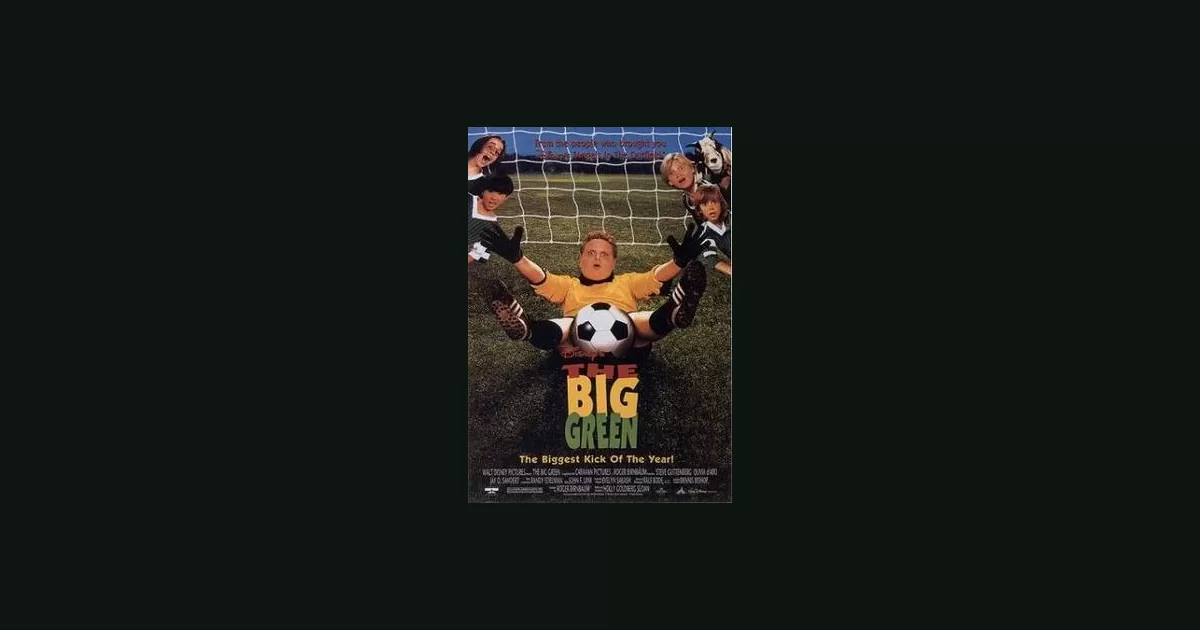
Holly Goldberg Sloan's 1995 film begins when British teacher Anna Montgomery arrives in the fictional town of Elma, Texas, and organizes a youth soccer team. Played by Olivia d'Abo, Anna recruits children who have little experience of the sport and works with the local sheriff, played by Steve Guttenberg, as the group prepares for competition. The team's mismatched skills and personalities supply the comedy.

The film's rural setting matters. Soccer is not shown as a sport with obvious infrastructure, trained coaches and a line of children waiting to register. It has to be introduced, explained and made appealing within a community where young people have limited recreational outlets. That is a recognizable challenge for municipal recreation staff and school sport coordinators.
At A Glance

The Big Green is a Disney comedy about children discovering soccer in a small Texas community. Underneath its familiar underdog plot is an important question for grassroots sport: who builds the first opportunity when no established program is waiting for interested players?

About This Shelf Item

About The Big Green

The children learn the game unevenly. Some are enthusiastic, others uncertain, and several carry anxieties that extend well beyond the field. Their progress depends as much on learning to be comfortable together as on discovering how to pass or defend. Anna's main contribution is creating an environment in which a group can acquire shared confidence through an activity none previously owned.

As a children's comedy, The Big Green depends on absurd mishaps and rivals drawn in broad strokes. Its championship narrative is not a credible model of how quickly inexperienced teams develop. Still, the underlying story does not require the viewer to believe every outcome. It gives recreational sport the importance that professional dramas usually reserve for elite performance.

Why It Belongs

The Sport Connection

A sustainable beginner program needs more than an enthusiastic volunteer and a bag of balls. Administrators must consider safe facilities, accessible registration, equipment, age-appropriate coaching and ways to welcome families who do not know the sport's rules. The Big Green dramatizes the beginning of that process before organized competition can be taken for granted.

The film also demonstrates why participant retention is a better long-term measure than a single tournament result. If a child has a positive first experience, they may return for another season or explore other activities. If a program teaches embarrassment, exclusion or excessive pressure, winning does not repair the damage. Community sport managers should value the creation of future opportunities as highly as the short-term excitement of an improbable victory.

The film also speaks to the overlooked importance of a welcoming first season. New participants may have uneven skills, unfamiliar family schedules and limited access to equipment. A grassroots program can respond by providing patient coaching and a clear invitation to return, rather than evaluating children as future elite players. Retention often depends on whether the first experience feels safe, enjoyable and worth repeating.

Our Recommendation

Why Watch The Big Green

The Big Green succeeds most when it gives the children room to be awkward and funny rather than treating them as tiny professionals. The contrast between Anna's optimism and the town's initial indifference is a useful reminder that starting a new program often involves persuading adults before recruiting young athletes.

Its story avoids deeper examination of local budgets, school resources or volunteer burnout, and the opponents are built for family entertainment. Those simplifications limit its realism but not its use as a conversation starter. The most useful follow-up is not to copy the team's training plan, but to ask what a real Elma would need to keep youth soccer running for five years.

Final Thoughts

Arash's Final Thoughts

The Big Green deserves Shelf coverage because it locates sport's value before elite identification or commercial success. Someone has to invite children onto a field, make the activity safe and give them a reason to return. In community sport management, that ordinary act of program creation can be the most important victory.