
The Shelf · Movies

The Way Back

Released 2020Curated by SPMA Hub because sport culture lives beyond the field.

The Way Back follows a former basketball standout whose return to the gym does not erase the life waiting outside it. Jack Cunningham can recognise a team's problems and still struggle to face his own, giving this coaching story a weight that a winning streak cannot resolve.

Alex Bennett
Covered by Alex Bennett
The Shelf
The Way Back
The Way Back
The Gist Of The Way Back

The Gist

Why it caught our attention

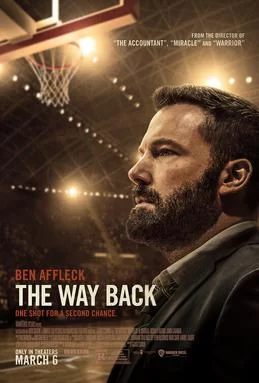
Directed by Gavin O'Connor and released in 2020, the film stars Ben Affleck as Jack, a construction worker offered the chance to coach at his former high school. His playing reputation has outlasted his relationship with basketball. Alcohol dependence, grief and estrangement now shape his daily life more strongly than the promise people once saw in him.

The invitation gives Jack a role with immediate responsibilities. Players need instruction, practices need direction and games demand decisions. That structure can help him function, but the film does not confuse being useful to a team with having addressed the causes of his distress.


At A Glance

The Way Back follows a former basketball standout whose return to the gym does not erase the life waiting outside it. Jack Cunningham can recognise a team's problems and still struggle to face his own, giving this coaching story a weight that a winning streak cannot resolve.

About This Shelf Item

About The Way Back

Jack's return is built on recognition and distance. The school remembers the player he was, while he arrives carrying experiences that those memories cannot explain. His knowledge of basketball remains available even when his confidence in the rest of his life has narrowed. Coaching becomes a way to inhabit a competent version of himself again.

Affleck's performance is central to that distinction. Jack is not transformed into an endlessly eloquent mentor simply because he has accepted the job. His impatience and difficulty managing himself remain part of what the team encounters. The film allows practical coaching ability to coexist with behaviour that an institution cannot ignore.

The players give his attention somewhere to go, and their developing game gives the story forward movement. Yet they are not responsible for repairing him. That separation matters. A school team contains young people with their own needs, not a support cast assembled to redeem an adult who happens to understand basketball.

O'Connor places the sports narrative alongside a slower account of loss. The two strands interact without becoming interchangeable: improving a team's performance is a task with visible feedback, whereas living with grief and dependence does not follow the schedule of a season. The film's seriousness rests on keeping that difference intact.

Why It Belongs

The Sport Connection

The Way Back raises a concrete question about coaching appointments. How should an organisation weigh relevant expertise against evidence that a coach needs support or cannot currently meet the responsibilities of the role? Jack's history with the school makes the opportunity emotionally attractive, but familiarity is not the same as readiness.

It also complicates the idea that sport automatically provides rehabilitation. A gym can offer routine, purpose and human connection. None of those benefits removes an organisation's obligations to its players or makes a team's results a reliable measure of a coach's wellbeing. The film's basketball setting brings those competing concerns into close contact.

Jack's technical contribution is therefore only part of the assessment. Coaching involves how an adult behaves around young athletes, how reliably he can show up and what happens when a problem becomes visible. The story is strongest when it makes room for compassion without treating accountability as a betrayal.

Our Recommendation

Why Watch The Way Back

Watch The Way Back if you are interested in the limits of the comeback narrative. Its emotional appeal comes from seeing Jack engage with work that matters to him, while recognising that meaningful work cannot perform every kind of repair. That is a more demanding proposition than simply waiting for the team to win enough games.

The film is also useful for thinking about what audiences ask of troubled sporting figures. A dramatic improvement can be satisfying to watch, but it may encourage the mistaken belief that a difficult life has been neatly corrected. Jack's story resists that comfort by keeping his private struggle in view.

Final Thoughts

Alex's Final Thoughts

The Way Back belongs on the Shelf because it gives basketball genuine importance without making it a cure. Jack's knowledge can help players develop, and the work can reconnect him with a part of himself he has neglected. The harder task is learning how to live when the gym closes and there is no scoreboard to describe his progress.