The Shelf · Movies

Who Killed the Montreal Expos?

Released 2025Curated by SPMA Hub because sport culture lives beyond the field.

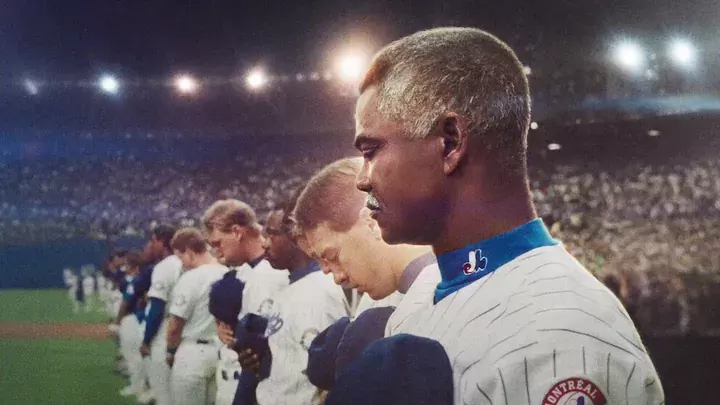
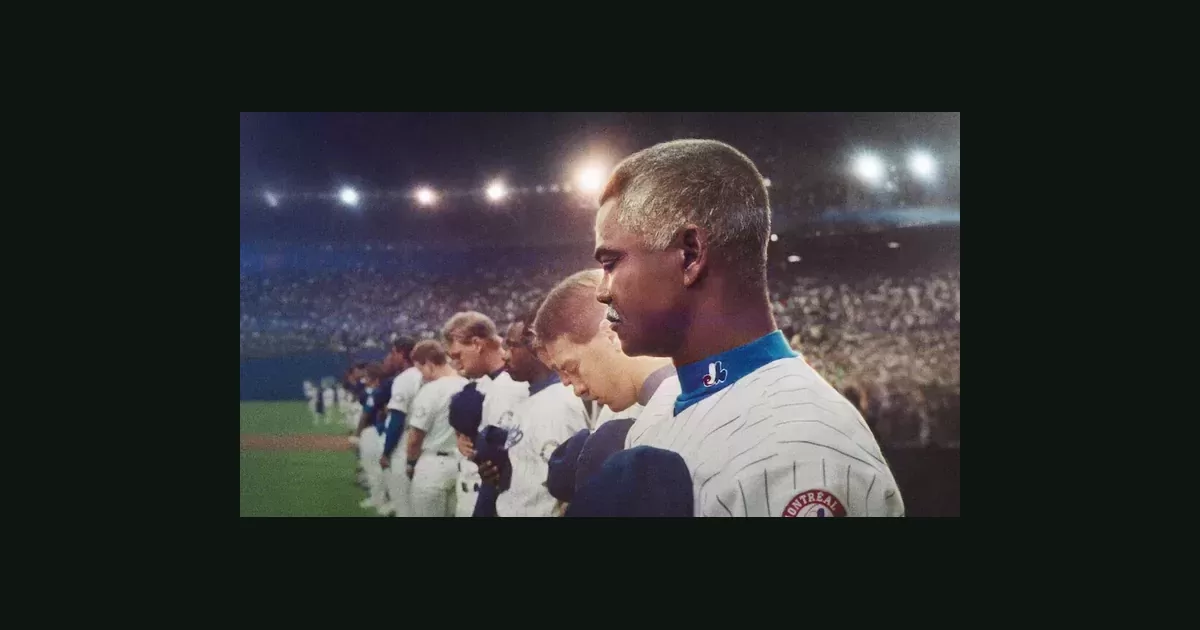
The Expos' final home game supplied an ending that Montreal never really accepted. Who Killed the Montreal Expos? returns to the ownership disputes, broadcasting decisions and failed promises behind the departure, asking how a team could remain so meaningful to its city while the arrangements needed to keep it there fell apart.

Arash Sayed
Covered by Arash Sayed
The Shelf
Who Killed the Montreal Expos?
The Gist Of Who Killed the Montreal Expos?

The Gist

Why it caught our attention

Jean-François Poisson's 2025 documentary approaches the loss of Canada's first Major League Baseball franchise through people with sharply different stakes in the story. Former players and manager Felipe Alou sit alongside executives, journalists and supporters. The team became the Washington Nationals in 2005, but relocation did not settle the arguments about responsibility.

The title suggests someone will eventually be identified and the case closed. Poisson's subject resists that convenience. A franchise can deteriorate through several decisions, each defended by the person making it, while the people who depend on its continued presence have very little say in any of them.
At A Glance

The Expos' final home game supplied an ending that Montreal never really accepted. Who Killed the Montreal Expos? returns to the ownership disputes, broadcasting decisions and failed promises behind the departure, asking how a team could remain so meaningful to its city while the arrangements needed to keep it there fell apart.

About This Shelf Item

About Who Killed the Montreal Expos?

The cancelled 1994 season is an unavoidable turning point. Montreal had baseball's best record at 74 wins and 40 losses. The strike ended the opportunity to see what Alou's club could achieve, leaving its supporters with a championship possibility that could never be tested. That loss of possibility shadows the financial arguments that followed.

Poisson also examines the ownership structure assembled under Claude Brochu and the later arrival of Jeffrey Loria and David Samson. Brochu and Samson participate in the documentary; Loria does not. Their explanations deserve attention as accounts from people involved in consequential decisions, with their own reputations attached to how those decisions are remembered.

Pedro Martínez, Larry Walker, Vladimir Guerrero and Orlando Cabrera restore the playing side to a history frequently reduced to balance sheets. Their presence makes the contrast concrete: Montreal could produce and develop extraordinary baseball talent while its ability to sustain the organisation remained unsettled. The stadium dispute and changes in ownership occupy much of the film's attention.

Journalist Tom Verducci helps explain the ownership rules behind the competing accounts. His contribution connects what a participant says happened with the arrangements that made it possible. That context matters in a documentary where the explanations themselves are often part of the dispute.

Why It Belongs

The Sport Connection

The broadcasting dispute is especially revealing. Samson's defence of pursuing rights fees comparable to American teams exposes an assumption about the market: that the revenue model available elsewhere should also be available in Montreal. A negotiating position can sound commercially assertive while overlooking the conditions in which the team actually operates.

That problem reaches beyond the television contract itself. Broadcasting is how a club remains present in people's lives between trips to the ballpark. Restricting that presence has consequences for the relationship an owner will later cite when discussing demand. Revenue negotiations and supporter attachment are connected, even when they appear in different parts of a business plan.

The proposed stadium introduces another set of interests. Public money, private ownership and civic pride do not carry the same obligations. Wanting the Expos to stay cannot settle every question about who should pay, who would benefit and which promises deserved confidence. The documentary becomes more interesting when responsibility is examined through those arrangements instead of assigned by nationality.

Our Recommendation

Why Watch Who Killed the Montreal Expos?

Watch this for the proximity of the explanations to the people who lived with their consequences. An executive can describe a necessary business decision; a player or supporter can remember the same period as another withdrawal of commitment. Those perspectives do not become equivalent simply because each interviewee has a chance to speak.

Poisson gives more space to the franchise's unravelling than to the scouting and development work behind its remarkable rosters. That choice sets the film's scope. It is most rewarding as an examination of how Montreal lost its club, with the baseball memories explaining why the loss still demands an answer.

Final Thoughts

Arash's Final Thoughts

The final home game at Olympic Stadium on September 29, 2004 made years of decisions visible all at once. Who Killed the Montreal Expos? works back from that rupture. Its strongest question is what ownership of a sports franchise requires of people who can sell or move an asset while the city attached to it has to remain behind.