The Shelf · Music

Basketball

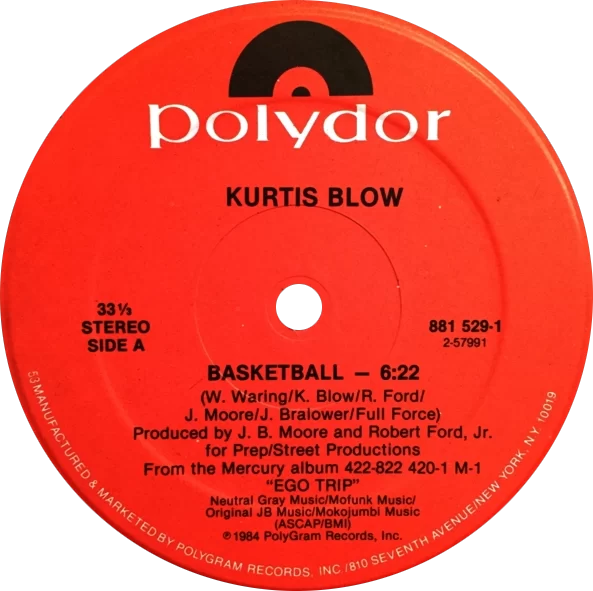
By Kurtis BlowReleased 1984Curated by SPMA Hub because sport culture lives beyond the field.

Kurtis Blow's Basketball is both an early hip-hop salute to the NBA and a snapshot of how players' names circulated through popular music before modern social media.

Alex Bennett
Covered by Alex Bennett
The Shelf
Basketball by Kurtis Blow
Basketball
The Gist Of Basketball

The Gist

Why it caught our attention

When Kurtis Blow released Basketball in 1984, he gave the sport something more specific than a beat that would sound good in an arena. He celebrated the actual players, styles and pleasures of watching the game. The song's roll call of NBA figures places the listener inside a recognizably contemporary basketball culture, while its chorus makes the central enthusiasm impossible to miss. It is a pop record with the directness of someone describing what he genuinely enjoys.

The track appeared on Blow's album Ego Trip. NBA reporting about the history of basketball and hip-hop notes how many players are named in the song, from established stars to figures remembered by dedicated fans. That density of references matters. The record reflects a league whose personalities were already meaningful outside game results, and a music scene eager to make those personalities part of everyday language.

At A Glance

Kurtis Blow's Basketball is both an early hip-hop salute to the NBA and a snapshot of how players' names circulated through popular music before modern social media.

About This Shelf Item

About Basketball

Rather than build one elaborate story around a single superstar, Blow presents basketball as a community of memorable individuals. Famous names arrive one after another, carrying associations with styles of play, positions, rivalries and eras. The song sounds celebratory because it is not trying to resolve those differences. It treats the coexistence of so many recognisable players as a pleasure in itself.

That approach also locates the song historically. A present-day basketball listener might hear an early ancestor of the constant dialogue between artists, athletes and fans online. In 1984, however, name-checking an athlete on a widely circulated rap record offered another form of visibility. It placed basketball information inside a cultural product that could travel among listeners who were not watching the same games.

Why It Belongs

The Sport Connection

The relationship between the NBA and hip-hop is often discussed as if one side simply borrowed the other's style. Basketball offers a more reciprocal starting point. The sport provided figures and stories, while the music introduced a way of talking about them that was neither a newspaper report nor an official highlight package. A player could be celebrated for reputation and personality as well as statistical achievement.

For sport managers, that raises useful questions about audience development. How do fans learn the names that make a league feel populated by distinct individuals? Which forms of culture help younger people attach meaning to those names? A song can complement the work of broadcasts and team promotion without being planned as a marketing campaign. It also demonstrates why artists should not be treated merely as distribution channels for official messages.

Our Recommendation

Why Listen Basketball

Listen to the record as a time capsule rather than a definitive ranking of NBA greatness. Some names will be immediately familiar; others may lead listeners back to an earlier version of the league. That is part of its value. The roll call can provoke curiosity about players whom contemporary highlight feeds rarely feature.

The beat and chorus make the celebration accessible, but the details reward attention. Blow connects the enthusiasm of actually playing with the pleasure of following people who perform at a higher level. It is a relationship many fans know from schoolyards, recreation centres and public courts, where professional players become part of the local vocabulary.

Final Thoughts

Alex's Final Thoughts

Basketball remains significant because it documents an early, explicit meeting between hip-hop and professional basketball. It does not need an invented narrative about sponsorship to carry that importance. The artist, the names and the release period already tell a meaningful story.

For SPMA's music coverage, the track works best as cultural history. It shows how sporting figures entered popular art long before every player could manage a personal media channel. In doing so, it provides a useful starting point for understanding how the NBA's public identity developed alongside music, style and fan communities.