The Shelf · Music

Magic Johnson

By Red Hot Chili PeppersReleased 1989Curated by SPMA Hub because sport culture lives beyond the field.

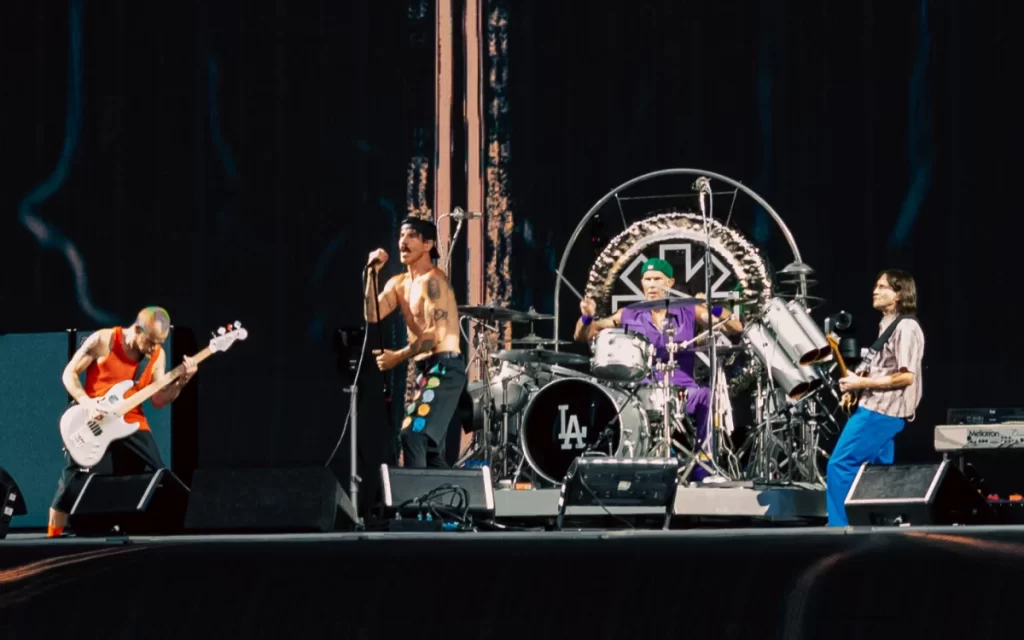
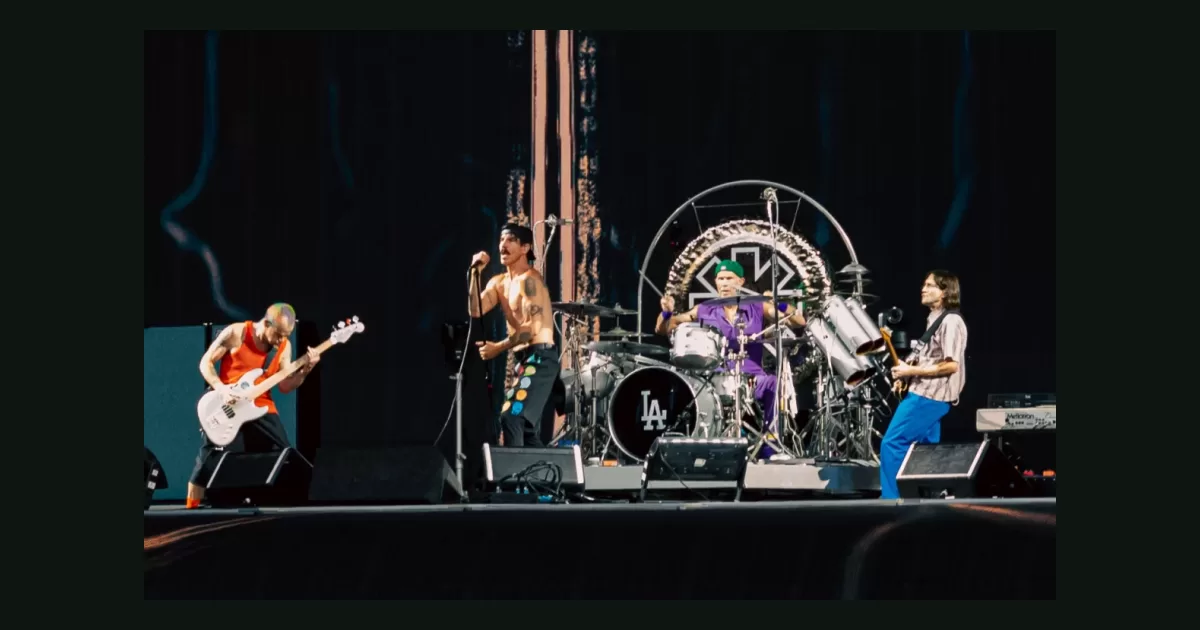
The Red Hot Chili Peppers' Magic Johnson sounds like four Los Angeles musicians turning a Lakers crowd chant into a noisy, highly personal tribute.

Alex Bennett
Covered by Alex Bennett
The Shelf
Magic Johnson by Red Hot Chili Peppers
Magic Johnson
The Gist Of Magic Johnson

The Gist

Why it caught our attention

Magic Johnson is one of the more unusual recordings on the Red Hot Chili Peppers' 1989 album Mother's Milk. It is short, loud and wholly committed to the Los Angeles Lakers. The group's admiration for Magic Johnson is not a passing name-drop; it gives the track its subject and its physical momentum. Anthony Kiedis, Flea, John Frusciante and Chad Smith charge through an arrangement that has more in common with the excited noise of a game than with a polished arena ballad.

The song also opens a window onto Los Angeles popular culture at the end of the Lakers' Showtime period. Johnson had become a star whose style of play was recognizable even to listeners who followed the band more closely than basketball. The track turns that local enthusiasm into something closer to a fan's shout than a formal tribute.
At A Glance

The Red Hot Chili Peppers' Magic Johnson sounds like four Los Angeles musicians turning a Lakers crowd chant into a noisy, highly personal tribute.

About This Shelf Item

About Magic Johnson

Recording documentation for Mother's Milk traces the track back to a working title, Fairfax High. The band's recording archive describes its beat as an adaptation of a marching-band rhythm familiar to Flea and Kiedis from their school years. The basketball lyrics were reportedly added later. This origin makes the recording more distinctive than a song commissioned by a team marketing department. It developed inside the band's musical world and then took on the identity of the Lakers.

The album, released in August 1989, also marked a new lineup with guitarist Frusciante and drummer Smith. Contemporary coverage in the Los Angeles Times treated Magic Johnson as one of its conspicuous bursts of funk-rock energy. Even the history of the instrumental groove speaks to the band's mixture of neighbourhood experience, musical experimentation and sport fandom.

Why It Belongs

The Sport Connection

The recording is devoted to the playing style and roster of the Lakers. It refers to Johnson's command of the fast break and invokes teammates rather than offering an abstract message about success. That is crucial to understanding the title. This was not a generic basketball composition with a celebrity name added for search traffic. The band's audience was being pulled into the tempo of a recognizable side during a specific NBA era.

Johnson's improvisation and passing helped define Showtime basketball, whose appeal reached well beyond its final scores. The Chili Peppers' music is loud, restless and communal enough to suggest how a spectator might feel watching one of those runs. A literal explanation of every basketball reference would miss that musical translation from on-court movement to sound.

Our Recommendation

Why Listen Magic Johnson

Teams often try to cultivate a musical identity, but Magic Johnson shows why organic fan culture can be more persuasive than a centrally planned anthem. The band brought its own history, sound and Los Angeles loyalties. The result is not perfectly controlled brand messaging. It is enthusiastic, uneven and specific, which is part of its credibility.

That specificity also imposes an editorial responsibility. Calling it simply a victory song would miss the connection to the Lakers' fast-paced style and the band's Fairfax High background. The professional lesson is modest but real: a team can become part of a city's everyday creative life, often in ways that do not originate from an advertising budget. Supporting and respecting that relationship is different from claiming to own it.

Final Thoughts

Alex's Final Thoughts

Magic Johnson is worth revisiting alongside 1989 Lakers footage and the band's earliest live performances of the number. It offers a rough snapshot of a city proud of one of its most visible athletes. The group's affection is audible without having to invent behind-the-scenes locker-room access or a formal partnership.

The song's recording history gives it the unexpected second half of its story: a school-era marching rhythm, reshaped by a new lineup, became a tribute to a basketball team that could make a city move. That is a richer account than repeating that music and sport both bring people together.