The Shelf · Music

Centerfield

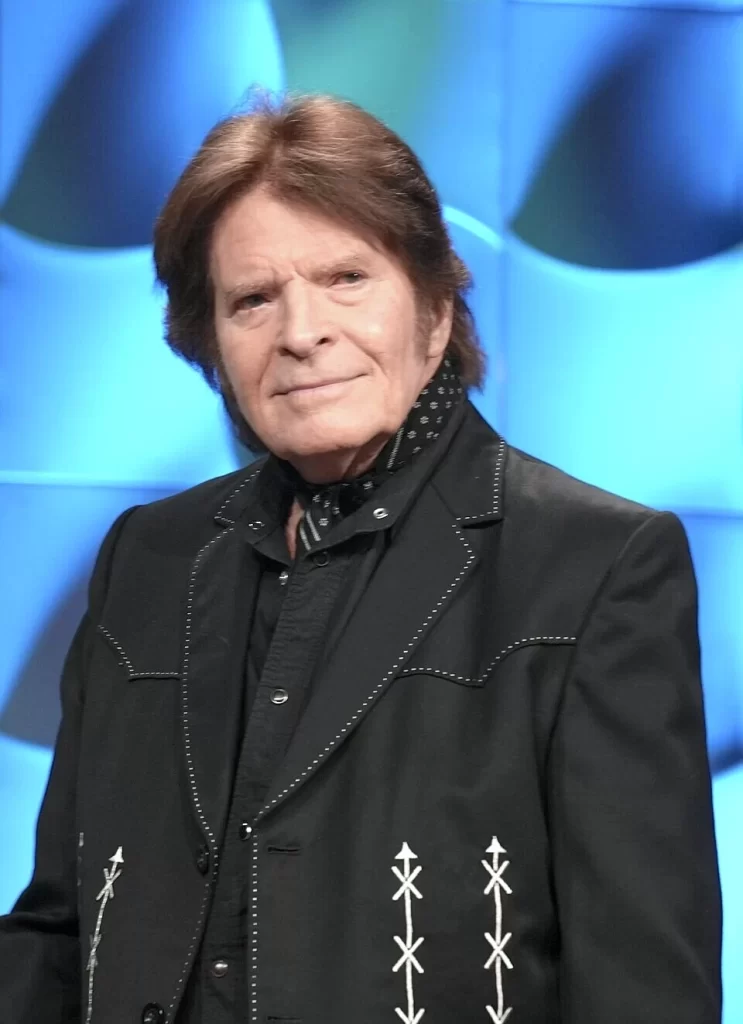
By John FogertyReleased 1985Curated by SPMA Hub because sport culture lives beyond the field.

John Fogerty's Centerfield makes a player's request to enter the game feel like the sound of baseball itself, while the record's later stadium life turned that fictional moment into a shared ritual.

Alex Bennett
Covered by Alex Bennett
The Shelf
Centerfield by John Fogerty
Centerfield
The Gist Of Centerfield

The Gist

Why it caught our attention

The central image in John Fogerty's Centerfield is wonderfully uncomplicated: a player on the bench believes he can help and wants a chance. Fogerty does not need a championship, a named opponent or even a particular ballpark. The excitement comes from the anticipation of participation. By placing an eager voice at the centre of the record, he makes baseball feel less like a distant professional spectacle and more like a game people once wanted desperately to play.

Released in 1985, the song appeared as the title track of Fogerty's comeback solo album. Its connection to baseball became much larger than the record's original commercial release. In 2010, Fogerty performed the song at the National Baseball Hall of Fame induction ceremony and donated his baseball-bat-shaped guitar. That event underlined an unusual relationship: a rock song had been accepted into baseball's institutional memory.
At A Glance

John Fogerty's Centerfield makes a player's request to enter the game feel like the sound of baseball itself, while the record's later stadium life turned that fictional moment into a shared ritual.

About This Shelf Item

About Centerfield

The sound evokes an actual ballpark without trying to reproduce live stadium audio. The recurring pulse, the spacious guitar and the direct vocal create forward motion. The player's appeal is almost childlike, yet Fogerty never turns it into a joke. Even an adult listener who has spent years away from organized sport can understand the hope of being picked, the impatience of watching and the belief that this might finally be the moment to contribute.

The details also locate the song inside baseball tradition. A centre fielder is a particular role, positioned where judgment and reactions are crucial, but the story does not become a technical explanation of outfield defense. It stays with the imagined player's enthusiasm. Fogerty's achievement is to use a specific position to unlock a broad feeling that youth players, reserves and spectators can recognize.

Why It Belongs

The Sport Connection

The professional sports industry often spends heavily on presentation packages intended to signal excitement. Centerfield illustrates another route into the same emotional territory: a piece of entertainment that already describes why people care about a game. It can be played between innings without demanding that the audience understand the performer's biography. Its subject fits the environment.

There is also a valuable distinction between licensing a popular recording and creating an official anthem. Fogerty's song originated in his musical career, not as an MLB marketing brief. Baseball organizations subsequently found uses for it, while the Hall of Fame gave it ceremonial recognition. That sequence suggests a relationship built on cultural fit rather than a campaign's launch schedule. It does not mean every independent sports-themed record will be similarly useful, but it explains this one's longevity.

Our Recommendation

Why Listen Centerfield

Listen for how little context the chorus needs. The desire to play comes first; the competitive stakes are left deliberately open. A championship game, a high-school practice and an afternoon at a public diamond could all support the same emotional premise. That portability helps account for the song's life in different baseball settings.

The Hall of Fame appearance is worth remembering because it connects two forms of recognition. Fogerty was being welcomed for a song, not as a player. Baseball was acknowledging that an artist had given its culture a durable expression. The song itself remains the better explanation than any ceremony: it is energetic because the possibility of entering the game still matters to the narrator.

Final Thoughts

Alex's Final Thoughts

Centerfield succeeds as baseball writing by focusing on a small desire within a vast sporting institution. It asks to be let into the game, not to possess the record book. That choice makes the song accessible across ages and levels of competition.

For SPMA readers, its career after release offers a lesson in the life of sporting traditions. Clubs and leagues can sponsor memorable moments, but some of the most recognizable sounds around a venue arrive through independently created culture. Recognizing what genuinely belongs to the experience may be more valuable than attempting to manufacture another anthem.