The Shelf · Music

Talkin' Baseball (Willie, Mickey & The Duke)

By Terry CashmanReleased 1981Curated by SPMA Hub because sport culture lives beyond the field.

Terry Cashman's Talkin' Baseball turns a roll call of celebrated players into a memory of an era, giving the sport a song that feels like an oral history rather than a scoreboard report.

Alex Bennett
Covered by Alex Bennett
The Shelf
Talkin’ Baseball (Willie, Mickey & The Duke) by Terry Cashman
Talkin' Baseball (Willie, Mickey & The Duke)
The Gist Of Talkin' Baseball (Willie, Mickey & The Duke)

The Gist

Why it caught our attention

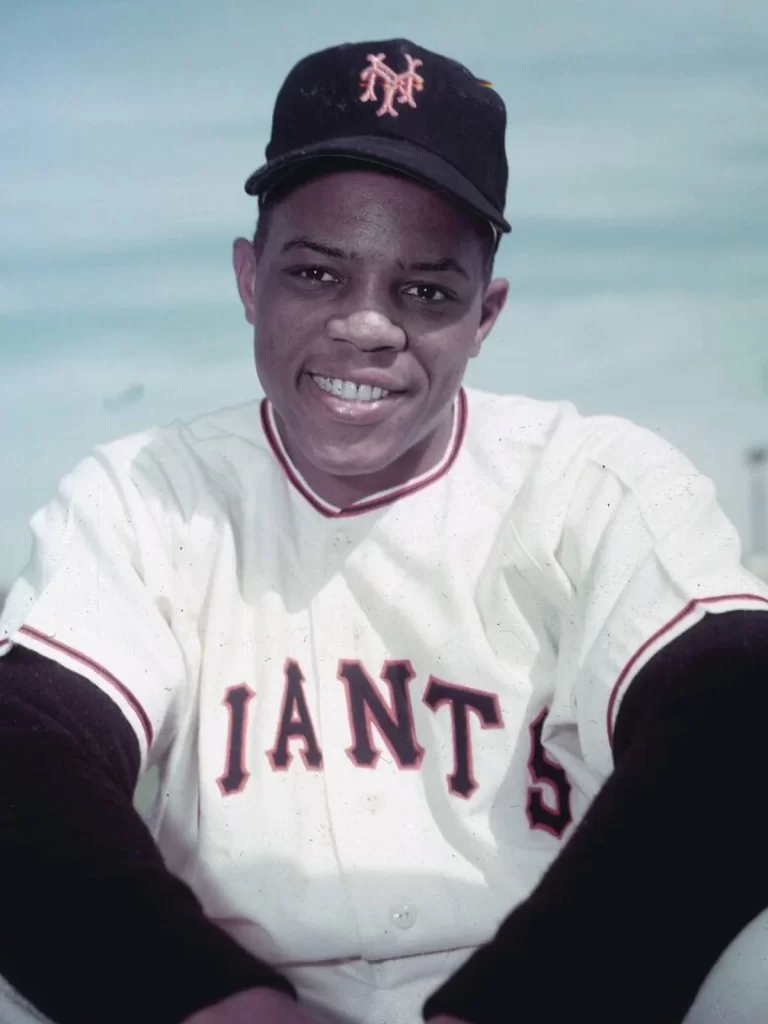
Willie Mays, Mickey Mantle and Duke Snider occupy the title of Terry Cashman's Talkin' Baseball, but the song's actual canvas is wider. Released in 1981, it moves among names, eras and remembered moments to recreate the way longtime followers tell baseball history to one another. Its appeal is not dependent on a single dramatic play. It comes from the accumulation of recognizable figures and the pleasure of hearing them share one musical space.

Cashman wrote and performed the record during a year disrupted by a Major League Baseball players' strike. That context is worth separating from the song's deliberately affectionate tone. Labour conflict interrupted the season, while Cashman offered a reminder of why the game still mattered to people who followed it. The record did not settle disputes over salaries or governance. It looked backward toward the mythology that made those disputes culturally consequential.

At A Glance

Terry Cashman's Talkin' Baseball turns a roll call of celebrated players into a memory of an era, giving the sport a song that feels like an oral history rather than a scoreboard report.

About This Shelf Item

About Talkin' Baseball (Willie, Mickey & The Duke)

The famous three outfielders provide a useful organizing device. Mays, Mantle and Snider played in an era when baseball's New York rivalries and national media visibility helped define American sporting memory. Cashman moves outward from them through a sequence of other names, giving the track the momentum of a fan finding one more story worth telling.

This is not a neutral history. A roll call always reflects someone's selection of heroes, omissions and turning points. In that sense the song is revealing twice over: it teaches listeners which players a particular generation celebrated, and it shows how a sport selects the stories it repeats. Later team-specific versions demonstrate that the same musical framework could be adapted to another set of loyalties without losing its original purpose.

Why It Belongs

The Sport Connection

For a sports organization, historical storytelling can support connection across generations. Fans may have witnessed different decades, but names and moments become reference points in a shared conversation. A club that understands its history has material for ceremonies, museums, broadcasts, community programs and reunions. Cashman's song illustrates how compressed that history can become when a melody gives the audience a reason to remember names together.

It also illustrates the limits of nostalgia as a management strategy. Remembering stars is not the same as accurately representing every participant in the game. The people left out of a popular story can matter just as much to institutional history. Strong heritage work makes room for those complexities rather than relying exclusively on familiar legends. The song is a cultural artifact to examine, not a definitive record of baseball's past.

Our Recommendation

Why Listen Talkin' Baseball (Willie, Mickey & The Duke)

The strongest listening exercise is to note which names you recognize immediately and which require a little research. Every unfamiliar name represents a possible route into another playing career, franchise or historical moment. That is a concrete difference between a list of celebrities and a piece of entertainment that encourages listeners to ask questions.

Cashman's subject is baseball memory, not the mechanics of hitting or fielding. The track gains its energy from association: one player leads to another, one era to the next. Its arrival during the 1981 strike adds an interesting counterpoint. Even when the live product was interrupted, the stories around it could circulate independently.

Final Thoughts

Alex's Final Thoughts

Talkin' Baseball is an affectionate collection of sporting names, but it deserves more attention than the label 'nostalgia song' usually gives it. It shows how fan communities preserve history by repeating selected figures and teaching those names to new listeners.

For SPMA readers, the management value lies in the mechanics of cultural memory. A player can retire, a franchise can move and a season can be disrupted, yet the stories remain available. The responsibility of modern heritage programs is to build on that affection while making the underlying history more complete.