
Career Guide
About This Role
An Anti-Doping Education Coordinator organizes training that helps athletes and support personnel understand their responsibilities under the applicable anti-doping programme. The role is educational and administrative; it should not be presented as the authority that determines a laboratory result or imposes sanctions.
The coordinator may schedule learning sessions, distribute approved materials, track completions and direct participants to the relevant anti-doping organization’s official resources. Useful education covers responsibilities around medications, supplements, testing procedures and how to seek authoritative advice. Different sports and countries may work under different programme arrangements.
What the work looks like in practice
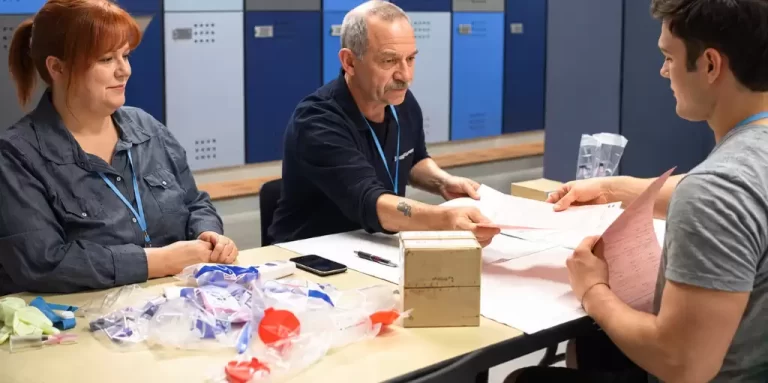
For an academy onboarding new athletes, the coordinator verifies which education module is currently required, confirms how completion must be recorded and arranges time for questions. A claim by a supplement seller that a product is ’safe’ is not accepted as proof of compliance. Athletes are directed to the recognized official guidance.
Decisions, responsibilities and limits
Medical advice belongs to qualified professionals, and testing, results management and appeals have specific authorities. The coordinator should not give personal therapeutic use exemption approvals or promise immunity from violations. Training records and sensitive health questions must be handled through authorized channels.
Skills employers can evaluate
Candidates can demonstrate strong teaching design, accurate policy communication and careful recordkeeping. A sample education programme should distinguish awareness, required training and individual case advice. Familiarity with the current rules from the relevant anti-doping bodies matters more than memorizing an old prohibited-substance list.
How to build experience in this field
Routes into the work include sport governance, compliance administration, athlete services and education. Ask which anti-doping programme applies, who updates training resources, how completions are audited and where participants are sent for medical or case-specific questions.
Common career questions
Does the coordinator decide whether an athlete has committed a violation?
No. Results management and disciplinary decisions follow the applicable anti-doping processes and designated authorities.
Should athletes rely on an old list of prohibited substances?
No. Rules and lists are updated. Education must direct athletes and healthcare providers to current official resources.