

The Shelf · Books

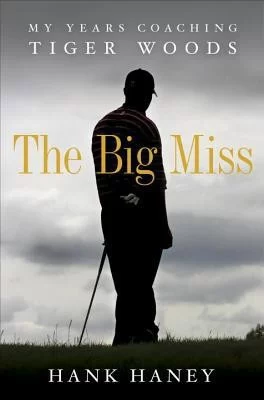
The Big Miss

By Hank HaneyReleased 2012Curated by SPMA Hub because sport culture lives beyond the field.

The Big Miss places the reader beside the coach rather than behind the champion's public image. Hank Haney recounts his experience working with Tiger Woods, examining the technical demands and personal complexity of helping an exceptional golfer. The relationship is the subject: expertise must become useful to someone whose ability already commands extraordinary attention.

Alex Bennett
Covered by Alex Bennett
The Shelf
The Big Miss
The Big Miss
The Gist Of The Big Miss

The Gist

Why it caught our attention

Published in 2012, the book is Haney's account of a particular coaching partnership. It is neither Woods's memoir nor an independent biography assembled from every relevant perspective. That distinction is essential when considering observations about the athlete's habits, decisions and personality.

The title connects the technical problem of an especially damaging shot with the broader difficulty of coaching at this level. Improvement is not simply a matter of identifying an error. A coach has to understand what can be changed, how the player will receive it and what a proposed adjustment might cost elsewhere.

At A Glance

The Big Miss places the reader beside the coach rather than behind the champion's public image. Hank Haney recounts his experience working with Tiger Woods, examining the technical demands and personal complexity of helping an exceptional golfer. The relationship is the subject: expertise must become useful to someone whose ability already commands extraordinary attention.

About This Shelf Item

About The Big Miss

Working with an accomplished performer reverses some familiar assumptions about instruction. The athlete is not an empty space waiting for expertise. He brings established knowledge, powerful preferences and an extensive history of success. Advice must enter that existing system rather than replace it wholesale.

Woods's prominence adds another layer. Technical work occurs within a public narrative that places unusual weight on results and visible changes. A process that needs time can be judged immediately, while outsiders may interpret a poor round through explanations unrelated to what the coach is actually trying to address.

Haney's position gives him close access to the work, but proximity does not make interpretation neutral. The memoir is valuable partly because it reveals what the coach noticed and considered important. Readers should keep those judgements attached to the person making them rather than converting them automatically into definitive statements about Woods.

The decision to publish also becomes part of the book's meaning. Coaching often depends on private access and trust. An account can provide insight for readers while raising questions about the boundaries of that relationship. The tension does not disappear simply because the athlete is famous or the material is interesting.

Why It Belongs

The Sport Connection

For coaches, The Big Miss offers a useful case for examining influence without complete authority. A recommendation can be technically well reasoned and still require trust, timing and a shared understanding of the objective. The quality of the relationship affects whether expertise can be used.

It also raises the question of how success is credited. When an athlete wins, public explanations may emphasize natural ability or personal determination; when performance changes, the coach can become a convenient focus. A realistic evaluation needs to distinguish contribution from control and avoid assuming that one person determines every result.

The publication issue is relevant beyond golf. Practitioners should be clear about confidentiality, public commentary and what happens after a professional relationship ends. Haney's book supplies material for that discussion because the same access that makes the narrative valuable is access ordinarily granted for a different purpose.

Our Recommendation

Why Read The Big Miss

This is a suitable choice for readers interested in elite golf instruction as a relationship rather than a collection of swing tips. It offers a close perspective on the difficulties of helping someone whose established performance is already exceptional.

Readers primarily seeking a complete account of Woods should place it beside other sources. The point is not to dismiss Haney's experience, but to understand the kind of evidence it provides: a coach's recollections and judgements, shaped by his own role in the events he describes.

Final Thoughts

Alex's Final Thoughts

The Big Miss is most revealing when its technical and interpersonal subjects remain connected. Coaching a champion requires more than seeing what might improve. Haney's account shows how advice, trust and public expectation can pull against one another, while leaving readers to consider the responsibilities that come with being invited close enough to observe an athlete's private working life.