Winning once is an achievement. Building a franchise that remains competitive through changing personnel, expectations and seasons is a management problem on another scale. Jeff Benedict's The Dynasty, published in 2020, chronicles the New England Patriots' rise and sustained run with owner Robert Kraft, head coach Bill Belichick and quarterback Tom Brady at its centre. Their responsibilities were different, but their careers became intertwined through decisions about talent, contracts, organizational control and competitive standards. Benedict draws on extensive reporting to make the team a story about relationships as much as game plans. The drama is familiar to football fans; its greatest relevance to SPMA readers lies in how success can both reinforce a governing structure and put new pressure on it.
The Shelf · Books
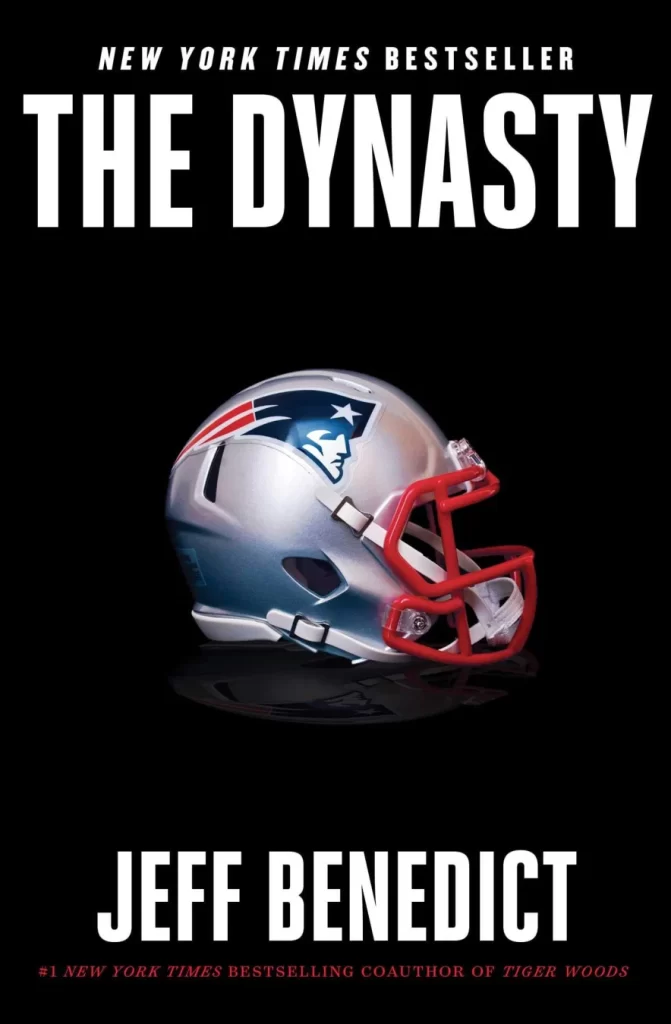
The Dynasty
The New England Patriots' long period of success depended on three people with distinct sources of authority: Robert Kraft, Bill Belichick and Tom Brady. Jeff Benedict's The Dynasty studies how that partnership worked and eventually strained.
The Gist
Why it caught our attention
At A Glance
The New England Patriots' long period of success depended on three people with distinct sources of authority: Robert Kraft, Bill Belichick and Tom Brady. Jeff Benedict's The Dynasty studies how that partnership worked and eventually strained.
About This Shelf Item
About The Dynasty
Kraft brought ownership authority and a long-term interest in the franchise. Belichick controlled demanding football operations and approached roster construction through a particular competitive philosophy. Brady became one of the sport's defining performers, with professional influence that grew over time. Their partnership produced extraordinary results, but shared success did not eliminate differences in status, priorities or career timelines. Benedict's narrative follows both the creation of the winning environment and the tensions that emerged as its central figures changed. That is an important distinction from a simple motivational book: the same system that once aligned people can become more difficult to manage when individual expectations evolve. A dynasty is not a permanent agreement among its participants.
Why It Belongs
The Sport Connection
One of the clearest management questions involves decision rights. Who determines which players fit the organization's plans? When does a head coach have enough operational control, and what oversight should ownership retain? How should a franchise deal with an established star whose value to fans, teammates and commercial partners extends beyond conventional roster analysis? These are not questions with universal answers. Organizations need explicit processes, honest communication and the ability to revise arrangements when circumstances change. The Patriots' case is especially instructive because reputational success can discourage scrutiny. Executives may be reluctant to question a structure producing championships, even when warning signs suggest that the relationship between authority and accountability needs attention.
Our Recommendation
Why Read The Dynasty
The Dynasty also connects sporting performance to franchise identity. Major success can increase visibility, sponsorship appeal and the expectations of supporters, but it also makes transitions more difficult. Fans and business partners may begin to associate a brand with individuals rather than the underlying institution. Preparing for a leadership or quarterback change therefore involves operational planning and external communications. The lessons extend to other sports, where long-serving coaches, celebrated captains and influential owners can become inseparable from a team's public image. Benedict's book asks readers to consider how much of an organization's achievement can be attributed to talented people and how much to the system that allows those people to work together. The answer is rarely one or the other.
The case is also a reminder that owners and coaches operate on different timelines. An executive may want flexibility for future roster decisions while a veteran athlete values certainty about their final seasons. Without candid communication, otherwise defensible plans can become personal conflicts.
Final Thoughts
Arash's Final Thoughts
The Dynasty is compelling for its football history, yet its management significance is broader. A high-performing institution must accommodate changing relationships without abandoning the principles that made collaboration effective. Readers studying team operations can examine authority, succession planning, organizational trust and the danger of assuming past results guarantee future alignment. No dynasty lasts forever. The question for responsible leadership is whether the organization can adapt when the people who built it no longer want the same things.
Keep Exploring
More On The Shelf