
The Shelf · Books

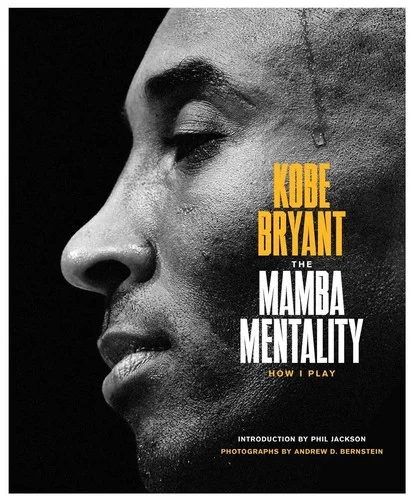
The Mamba Mentality

By Kobe BryantReleased 2018Curated by SPMA Hub because sport culture lives beyond the field.

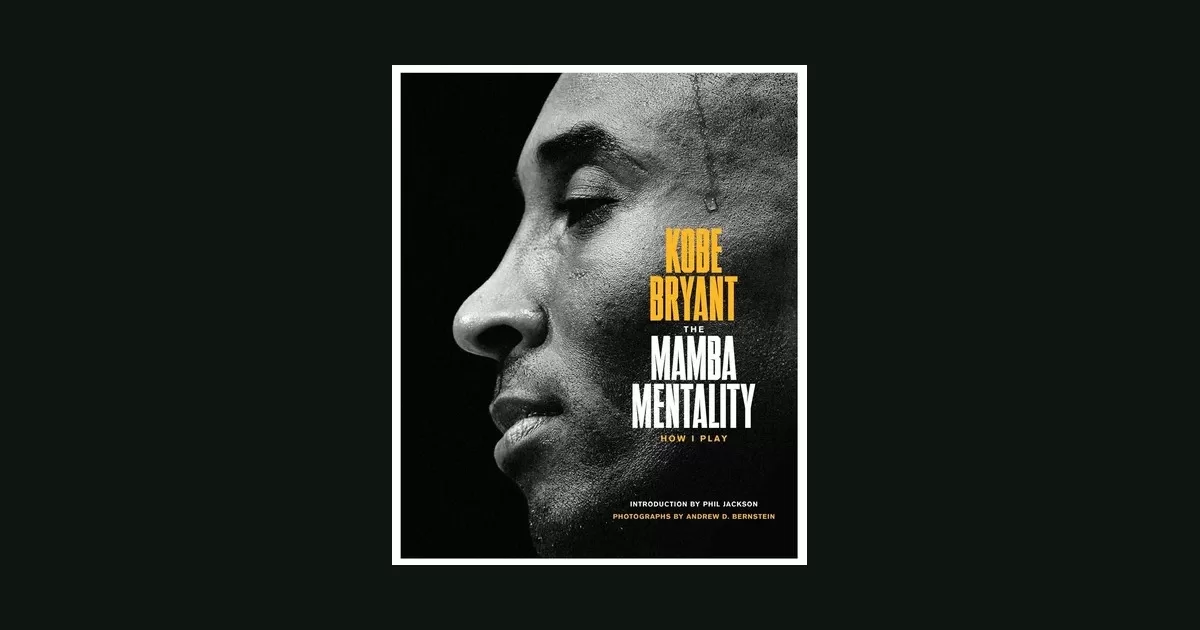
The Mamba Mentality brings Kobe Bryant's basketball thinking into conversation with Andrew D. Bernstein's photographs. Its appeal lies in that combination: a familiar image of an elite player becomes an opportunity to consider preparation, positioning and the decisions hidden inside a visible moment.

Alex Bennett
Covered by Alex Bennett
The Shelf
The Mamba Mentality
The Mamba Mentality
The Gist Of The Mamba Mentality

The Gist

Why it caught our attention

Published in 2018, The Mamba Mentality: How I Play presents Bryant's account of his approach to basketball, with an introduction by Phil Jackson and a foreword by Pau Gasol. Bernstein's images are central to the book's construction rather than an occasional accompaniment to a conventional autobiography.

The subtitle is a useful guide to its scope. This is primarily a player explaining his working methods and reading of the game. Readers looking for a complete biography or an independent evaluation of every part of Bryant's career are asking a different question from the one the book is designed to answer.

At A Glance

The Mamba Mentality brings Kobe Bryant's basketball thinking into conversation with Andrew D. Bernstein's photographs. Its appeal lies in that combination: a familiar image of an elite player becomes an opportunity to consider preparation, positioning and the decisions hidden inside a visible moment.

About This Shelf Item

About The Mamba Mentality

Bryant discusses preparation, opponents and particular basketball situations, making his competitive reputation more specific than the broad language of intensity usually allows. The interesting issue is not merely that he cared deeply about winning. It is how attention could be directed towards details that changed what he was able to do during a possession.

The photographs encourage a slower kind of looking than a highlight reel. A still image gives the reader time to notice body position, distance and the relationship between players. Bryant's commentary adds an account of intention, allowing the visible instant to be considered alongside the decisions he associates with it.

That pairing also has limits worth recognising. A photograph preserves one angle and one moment, while an athlete's explanation comes from his own perspective. Neither automatically supplies the entire context of a play. Their value lies in making a particular player's understanding available for examination, not in removing the need to think about what else was happening.

Jackson and Gasol add viewpoints from a coach and teammate, placing Bryant's individual method inside relationships built through shared work. Their contributions help remind readers that even an intensely personal approach develops within a team. The player analysing his own craft remains dependent on other people to make that craft effective in competition.

Why It Belongs

The Sport Connection

The most useful sporting connection is between observation and deliberate practice. Studying an opponent only matters if the observation changes preparation or a decision on the court. The book gives readers a way to think about that connection more concretely than a general instruction to work harder would provide.

For coaches, the material invites discussion about how to turn expertise into language another player can use. A great performer may recognise details that a learner does not yet know to notice. Photographs and explanation can make some of that recognition visible, while still leaving the learner to adapt it to a different body, role and level of experience.

Bryant's accounts of playing through injuries should be read as descriptions of his career, not as a universal prescription. The book's value does not require imitating every decision. Separating an athlete's insight from automatic obedience is especially important when a celebrated competitive identity makes every habit seem worthy of copying.

Our Recommendation

Why Read The Mamba Mentality

Read The Mamba Mentality with time to look at the images rather than racing through the text for motivational lines. The format rewards returning to a passage and asking what the photograph shows, what Bryant adds and which parts of the decision depend on the specific matchup.

It is especially suited to basketball readers interested in how a player studies the game. The book's strongest use is as a starting point for informed observation and discussion. Reducing it to a slogan about relentless effort discards the very detail that distinguishes this account from a generic guide to ambition.

Final Thoughts

Alex's Final Thoughts

The Mamba Mentality earns its place on the Shelf through the relationship between image and explanation. Bernstein records the physical evidence of a long basketball career; Bryant supplies one account of the thinking behind it. The combination is most rewarding when it sharpens the reader's attention, encouraging questions about how a possession works rather than simply admiration for the person playing it.