The Detroit Pistons opened their game against the Milwaukee Bucks at Little Caesars Arena on November 27, 2026, with a moment of silence. The video board paid tribute to Martha Firestone Ford, the former principal owner and chair of the Detroit Lions, before the national anthem.
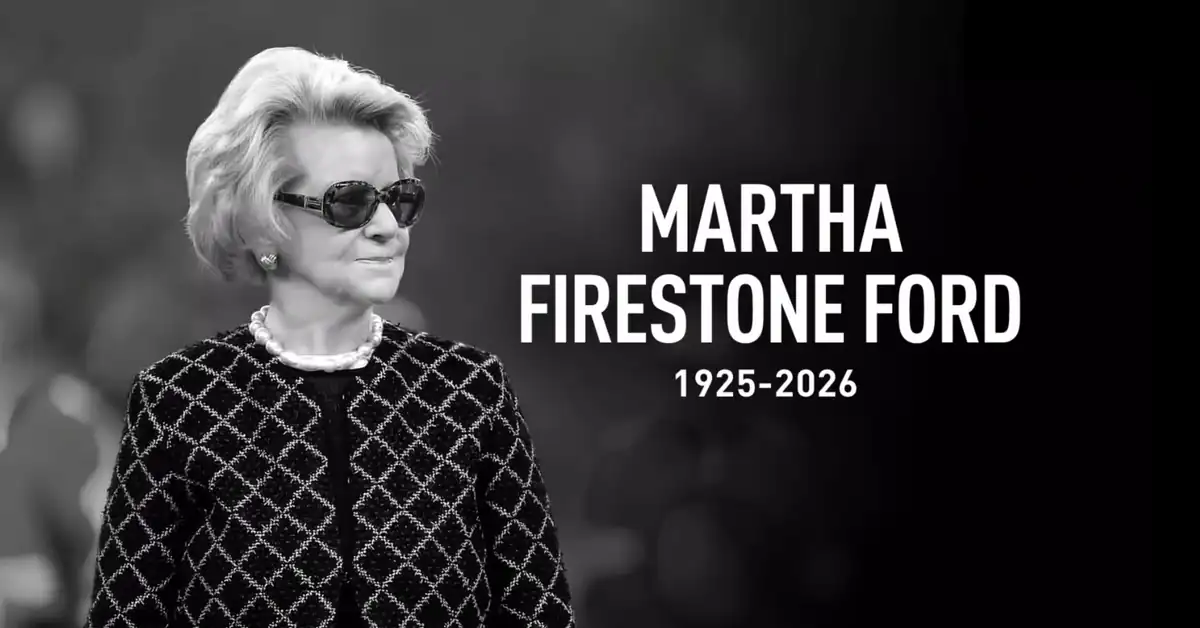
Pistons owner Tom Gores also shared a statement on her passing, describing her as an inspiration to those who believe in the power of sports to bring people together, and sending condolences to her family and the Lions organization. One Detroit team pausing to honour another’s leader is a reminder of how closely a city’s sports organizations are tied together.
After the tribute and the anthem, the Pistons fill the first half with fan contests, a cash booth, the Pistons Dancers and a laser-lit performance, then hand halftime to a contortion and hand-balancing act. This Detroit Pistons game day presentation case study follows each moment, and the list below lets you jump to them.
This analysis is for educational purposes.
X Marks The Spot puts a fan on the floor
The first big break goes to X Marks The Spot. The in-arena host brings a fan onto the court, talks with them on the mic and puts them on a marked spot for a shot while the arena watches.
Shooting contests are a staple because they are easy to follow from any seat. Putting the host and the fan in conversation first gives the crowd a reason to care before the ball goes up.
The Payout Portal turns a cash booth into a show
The Payout Portal is a cash-grab booth. After a quick interview with the host, a fan steps into a lit booth and grabs at bills blowing around inside before the countdown runs out, with BetRivers branding on the booth.
A cash booth works on the board because the payoff is visual: everyone can see the money flying and the clock running. It is also a natural home for a sponsor, which gets a moment fans actually want to watch.
The Pistons Dancers get a full break
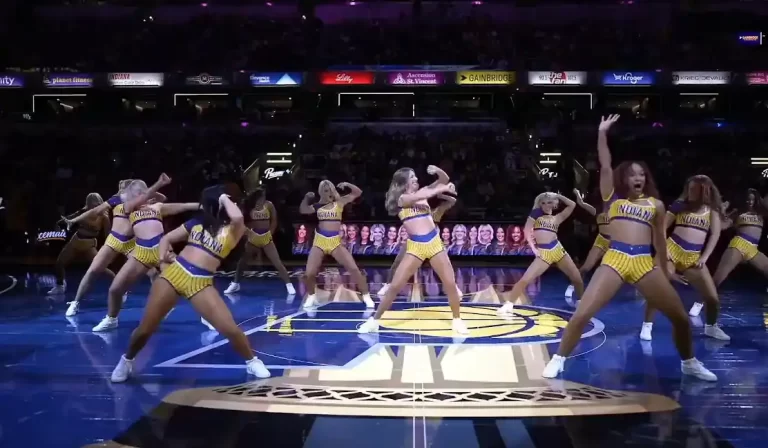
The Pistons Dancers take over a full break at center court in black, with their name running on the ribbon boards around the bowl.
Giving the dance team a full stoppage turns their routine into a headline moment rather than filler between plays, and naming them on the boards makes sure every seat knows who is on the floor.
The Cash Challenge races the shot clock
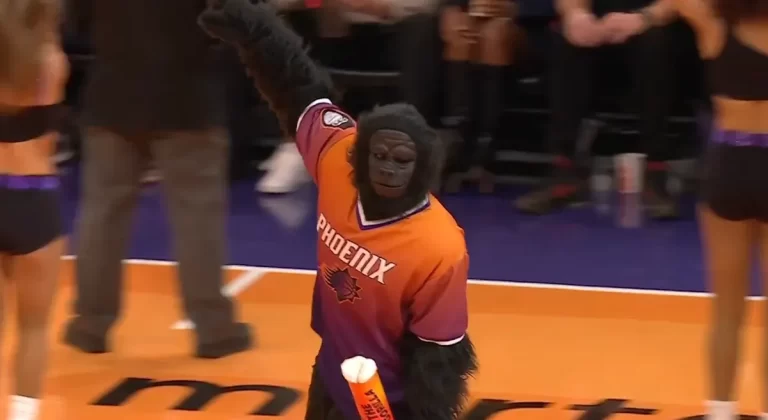
The Cash Challenge starts with the host and mascot Hooper introducing a fan, then turns into a timed shooting contest, with a rebounder feeding passes as the shot clock counts down.
A visible clock is what makes this format work. The crowd can feel the time running out, and every make gets a reaction, which keeps the energy up through the whole break.
Detroit Basketball Unleashed brings out the Extreme Team
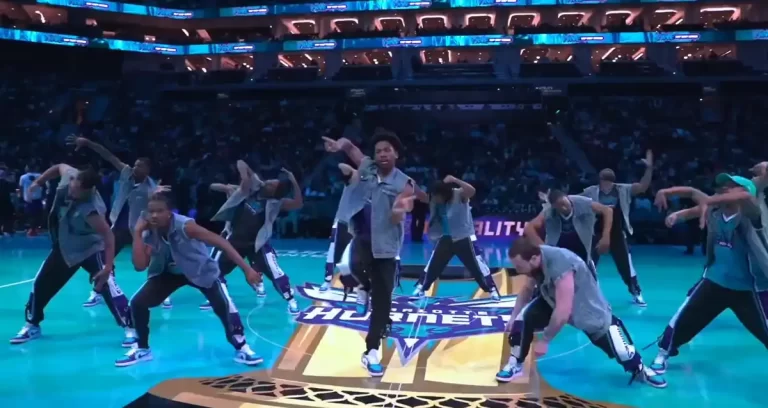
Detroit Basketball Unleashed brings the Pistons Extreme Team to center court under sweeping laser lights, with the team’s name on the ribbon boards around the bowl.
Lighting does a lot of the work here. Dropping the house lights and running lasers changes the feel of the building in seconds, and it gives the performance squad a stage that looks nothing like the game happening around it.
Halftime goes to a contortion and hand-balancing act
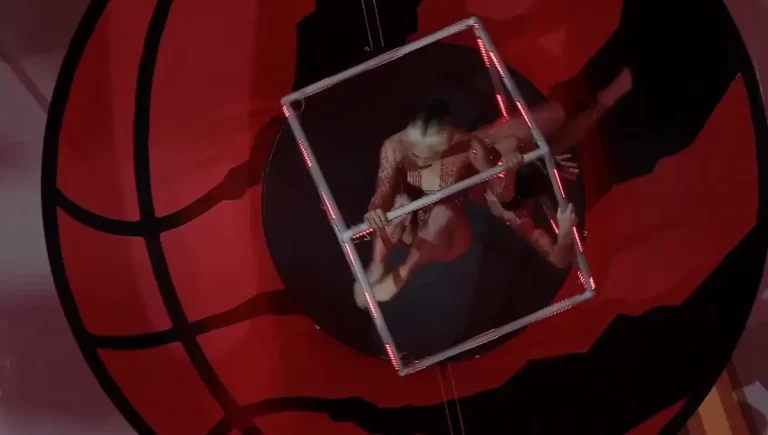
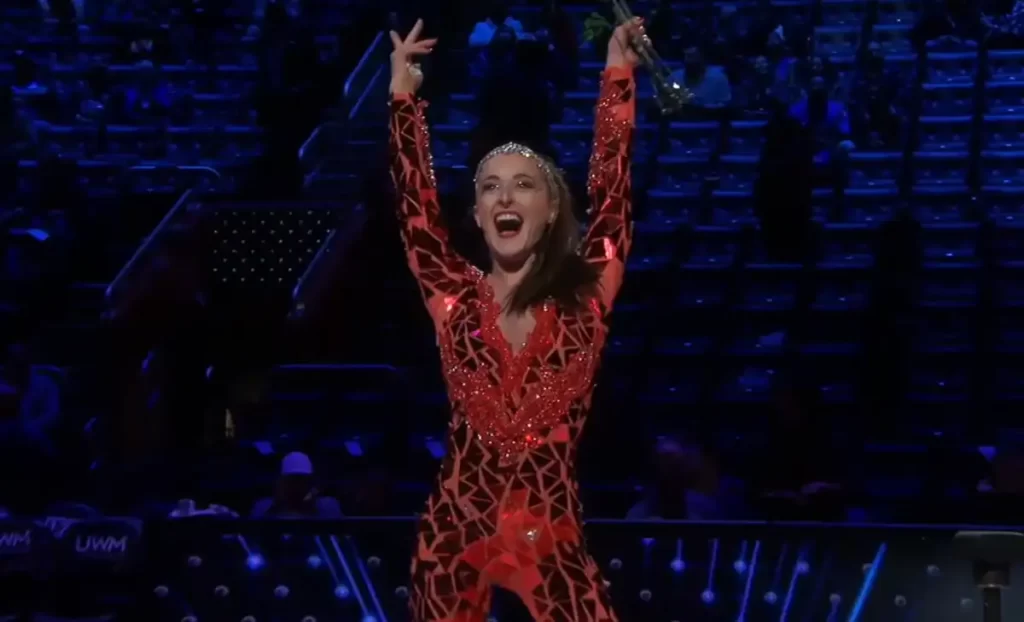
Halftime belongs to a solo performer in a red mirrored bodysuit. She works through contortion and hand-balancing on handstand canes set on a platform over the Pistons logo, finishing to cheers from the crowd.
Halftime is the longest window a game day crew gets, and a visual act like this uses it well: it reads from every seat, it photographs well for social, and it gives fans a reason to stay in the bowl through the break.
What the Detroit Pistons game day presentation teaches about tone
Set the tone, then lift it. Opening with a moment of silence for Martha Firestone Ford showed a production that knows when to be quiet. From there, the Pistons moved through fan contests, a cash booth, the Pistons Dancers and a laser show before a hand-balancing halftime, giving each break its own job and building the energy back up.
This is part of SPMA’s NBA Game Day Presentation series, which is following the in-arena show across all 30 teams. Read the Indiana Pacers game day presentation case study or the Toronto Raptors game day presentation case study for more looks at how an NBA crew uses the floor, the board and the stands, or see all 30 teams in the series.
Related organizations
 Detroit PistonsDetroit, MI, United StatesView company
 Little Caesars ArenaDetroit, MI, United StatesView company
 National Basketball Association (NBA)New York, NY, United StatesView company
 Detroit LionsDetroit, MI, United StatesView company
 Indiana PacersIndianapolis, IN, United StatesView company
 Milwaukee BucksMilwaukee, WI, United StatesView company
 Toronto RaptorsToronto, ON, CanadaView company
 National Football League (NFL)New York, NY, United StatesView company
Have experience with this topic?
Help make this SPMA resource better with a first-hand perspective, practical addition, or question. Use your SPMA account or contribute as a guest.