The Shelf · TV Series

Faceoff: Inside the NHL

Released 2024Curated by SPMA Hub because sport culture lives beyond the field.

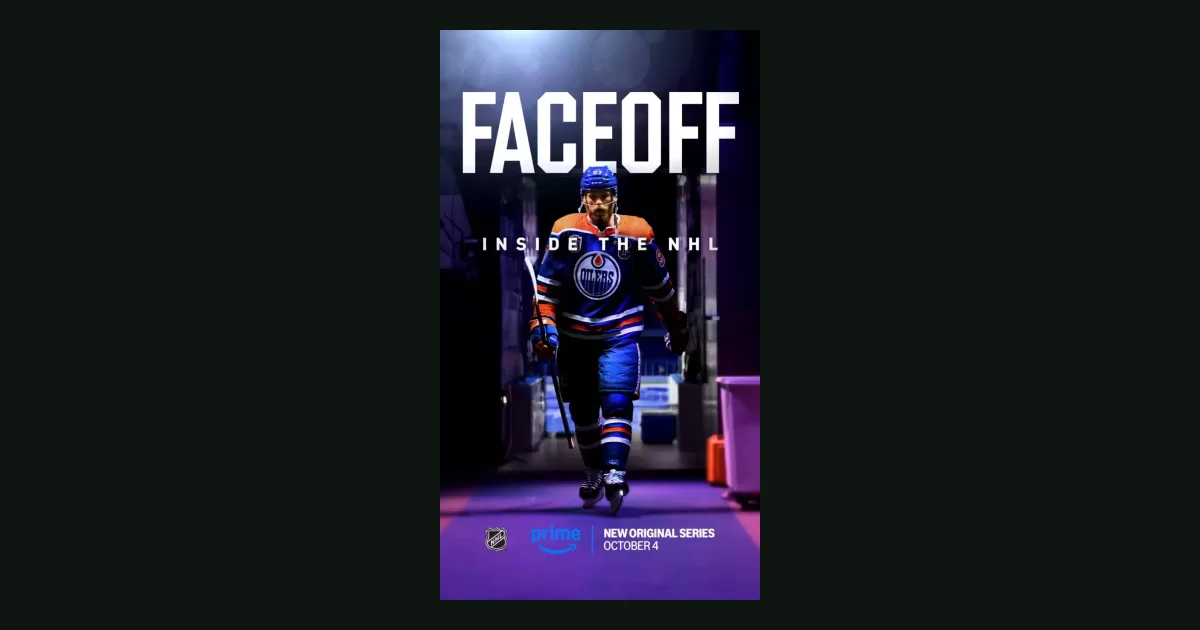
Faceoff: Inside the NHL brings Prime Video cameras into the lives of contemporary hockey stars. The series links elite performance to family relationships, public expectation and a league trying to make its players better known.

Arash Sayed
Covered by Arash Sayed
The Shelf
Faceoff: Inside the NHL
The Gist Of Faceoff: Inside the NHL

The Gist

Why it caught our attention

Launched in October 2024, the six-part production from Box To Box and NHL Productions followed recognizable players through a demanding season and its postseason. Connor McDavid, Leon Draisaitl, Matthew Tkachuk, William Nylander, David Pastrnak and other featured athletes appear at different stages of their careers. The Stanley Cup Final between Edmonton and Florida gives the series a competitive anchor, but its aim is larger than recounting the outcome of one playoff bracket.

For years, hockey has marketed club identities and traditions more confidently than individual personalities. Faceoff tries to narrow that gap, showing fans athletes in ordinary moments as well as during games. The proposition has a clear commercial logic: a viewer who recognizes a player's life and personality may become interested in a matchup well beyond their preferred home team.

At A Glance

Faceoff: Inside the NHL brings Prime Video cameras into the lives of contemporary hockey stars. The series links elite performance to family relationships, public expectation and a league trying to make its players better known.

About This Shelf Item

About Faceoff: Inside the NHL

Each episode develops a different theme rather than presenting one club's season from beginning to end. Rivalry, physical sacrifice, leadership and the pressure of a championship chase appear through athletes whose circumstances differ. Nylander and Pastrnak bring Toronto-Boston tension. Tkachuk and the Oilers' stars help shape the Stanley Cup story. Captains such as Quinn Hughes and Jacob Trouba offer another view of the expectations placed on leaders who must set standards among their peers.

The show also gives family members and partners space to speak. That choice matters because professional athletes live within travelling, medical and media schedules that affect other people. The audience sees a personal life that team press releases do not usually discuss. But family access increases the obligation to secure informed consent and avoid using personal vulnerability merely to humanize a brand.

Why It Belongs

The Sport Connection

Faceoff is a case study in sports-rights partnerships moving beyond match broadcasts. Amazon's NHL programming agreement in Canada provides one context for the documentary, while the presence of an established sports production company adds global storytelling ambitions. Documentary access can help a league grow interest in its personalities and markets. It does not, by itself, demonstrate new viewers becoming paying customers or prove that commercial growth follows every episode.

Managers should distinguish brand objectives from athlete obligations. Public-relations staff may value a candid conversation while a player needs rest, competitive privacy or distance from intrusive questions. Successful access programming depends on expectations agreed before filming, credible choices about what not to show and a channel for concerns from the people featured. Hockey's culture of discretion makes those negotiations especially significant.

Our Recommendation

Why Watch Faceoff: Inside the NHL

For sports marketing students, the series illustrates how personality-driven coverage can complement conventional team loyalty. A fan may watch an unfamiliar club because they recognize its goaltender, captain or rival. That creates possibilities for sponsorship, international distribution and wider attention to the league's athlete community. Yet an editorially credible documentary cannot simply present stars as cheerful representatives of a league campaign.

Faceoff also invites a useful critical question. A series built around established NHL names will have access to exceptional support systems. Their experiences are not identical to those of minor-league players, rookies with uncertain contracts or athletes outside the most commercially visible teams. The stories are illuminating without being representative of every professional hockey workplace.

Final Thoughts

Arash's Final Thoughts

Faceoff: Inside the NHL deserves Shelf attention because it exposes the careful bargain behind modern sports storytelling. Players offer access to their working and personal lives; broadcasters and leagues gain compelling characters and new markets. The strongest management lesson is that the relationship only works over time when editorial ambition, athlete dignity and competitive boundaries can coexist.