The Shelf · TV Series

Hometown Giants

Released 2026Curated by SPMA Hub because sport culture lives beyond the field.

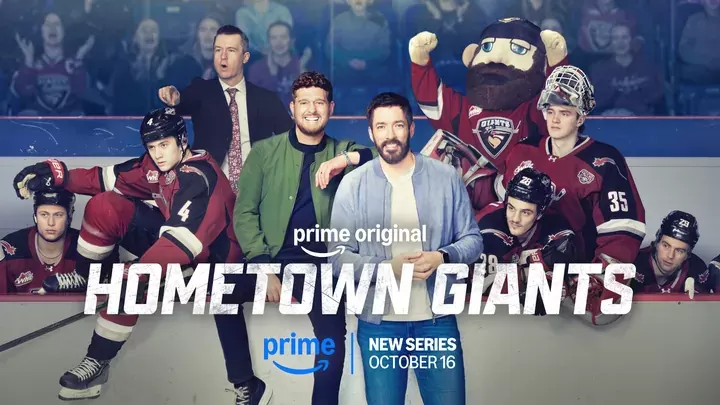
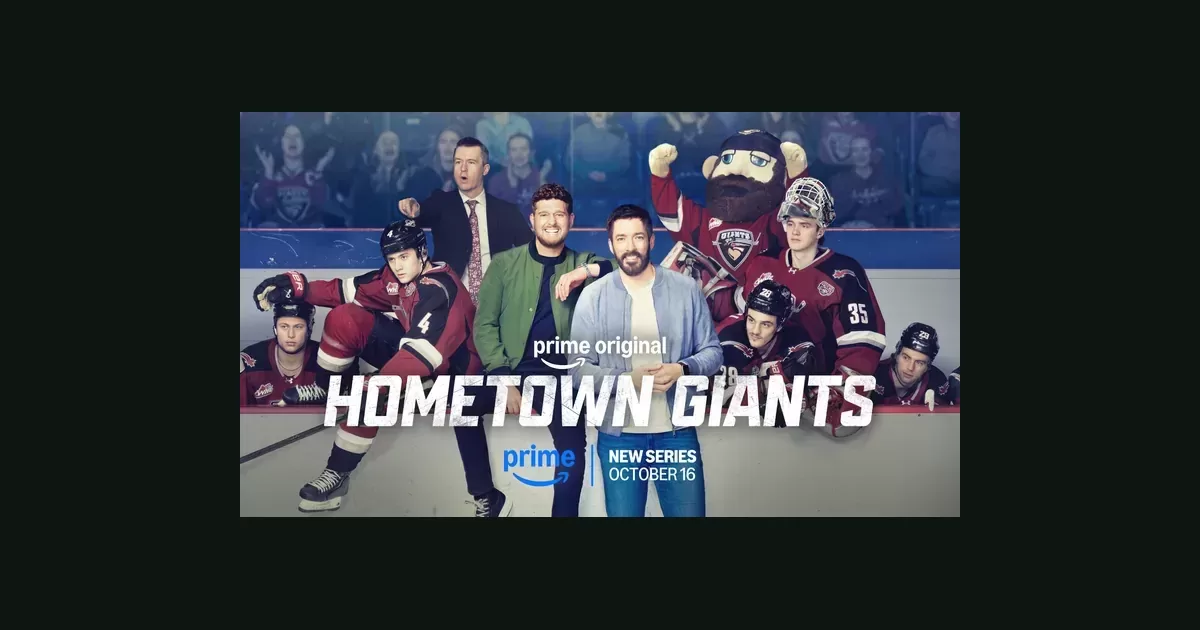
Michael Bublé and Drew Scott can bring an audience to Hometown Giants. They cannot give a teenage player another season of junior eligibility or make a roster decision painless. The documentary's most interesting tension sits between the owners' ambitions for the Vancouver Giants and the much shorter horizon of the players trying to stay.

Arash Sayed
Covered by Arash Sayed
The Shelf
Hometown Giants
Hometown Giants
The Gist Of Hometown Giants

The Gist

Why it caught our attention

The six-part Prime Video series follows the Western Hockey League club through its 2025-26 season. Released in October 2026 and directed by Michael Hamilton and Joseph Schweers, it combines a familiar celebrity-ownership premise with the particular circumstances of major junior hockey: school, separation from home, roster uncertainty and the pursuit of a professional career.

Bublé and Scott are part-owners, not newcomers purchasing a club together for the cameras. Bublé joined the ownership group in 2008; Scott followed in 2023. That distinction matters. The series is documenting an existing organisation and existing relationships, even when the television premise invites viewers to experience everything as a fresh beginning.

At A Glance

Michael Bublé and Drew Scott can bring an audience to Hometown Giants. They cannot give a teenage player another season of junior eligibility or make a roster decision painless. The documentary's most interesting tension sits between the owners' ambitions for the Vancouver Giants and the much shorter horizon of the players trying to stay.

About This Shelf Item

About Hometown Giants

Vancouver's past supplies an ambition the team has struggled to repeat. The Giants won the WHL championship in 2006 and the Memorial Cup in 2007. Those are separate achievements, and the distinction helps establish what a return to prominence might involve. A club's history can make a season feel unfinished long before its current players arrived.

The programme introduces Ryan Lin as a prospect attracting attention and Torretto Marrelli as a player fighting to retain his place. Their situations prevent the roster from becoming one collective story about chasing the NHL. Opportunity is distributed unevenly. Being watched closely can be its own pressure; wondering whether the team still needs you is another.

A fifteen-day road trip adds a more ordinary measure of the commitment. The season occupies time that players their age might otherwise spend at home, in school routines or with friends. Hometown Giants places those teenage lives alongside the competitive schedule, giving the hockey consequences somewhere to land.

Trades and injuries sharpen that relationship. A roster move may make sense when explained through the club's plans while remaining an upheaval for the person moving. Following both the organisation and its players creates room to notice that difference without pretending the two perspectives will always agree.

Why It Belongs

The Sport Connection

The celebrity involvement makes comparison with Welcome to Wrexham tempting, but junior hockey creates its own obligations. These players are developing athletes and young people living away from home. Their value to a television story should not become the only measure of whose experience receives attention. A player struggling to stay can reveal as much about the club as its most marketable prospect.

Scott Brothers Entertainment produces the series in association with Amazon MGM Studios. That connection belongs in how the access is understood. The owners' willingness to participate can open doors, while the finished programme remains a story shaped by people with a stake in its appeal. Access does not settle every question about recruitment, player support or ownership decisions.

The useful comparison is between what the franchise needs over several years and what an individual player needs this month. Rebuilding language sounds patient from the front office. On a roster with limited places, the same patience may be difficult for a player to afford.

Our Recommendation

Why Watch Hometown Giants

Canadian hockey followers have a reason to pay attention beyond the famous owners: the series gives a major junior club enough time to become more than a list of future draft selections. Its central season includes players carrying very different expectations into the same dressing room.

Lin and Marrelli offer newcomers two different ways into the season. Lin's performances are being read for what he might become; Marrelli has to convince the club that he still belongs on its roster. Following both makes a selection decision feel less like a line in a transaction report. The club is choosing its next team, while each player is trying to protect a particular future.

Final Thoughts

Arash's Final Thoughts

Hometown Giants is most revealing when the word development is allowed to include a life outside hockey. The club wants progress, the owners want a stronger franchise and the players want futures they can still picture. A successful season may serve all three ambitions. The documentary becomes more interesting when it gives room to the moments when they pull apart.