At an NBA game, a trained shot-clock timer operates the 24-second clock. Another trained timer operates the game clock. Both work alongside the official scorer, courtside personnel and on-court referees, but they are not interchangeable roles.
Two clocks, two operators
The NBA's Rule 2 states that officials are assisted by an official scorer and two trained timers: one for the game clock and one for the shot clock. Rule 7 explains when the shot clock begins, stops and resets. The shot-clock operator must follow changes of possession, rim contact, throw-ins and referee rulings without guessing from the crowd's reaction.
| Position | Core task |
|---|---|
| Shot-clock timer | Starts, stops and resets the possession clock under Rule 7 |
| Game-clock timer | Operates the quarter and game clock under officials' signals |
| Official scorer | Maintains the official scoring and player record |
| Referees | Make rulings, signal stoppages and correct applicable timing issues |
Example: a shot hits the rim
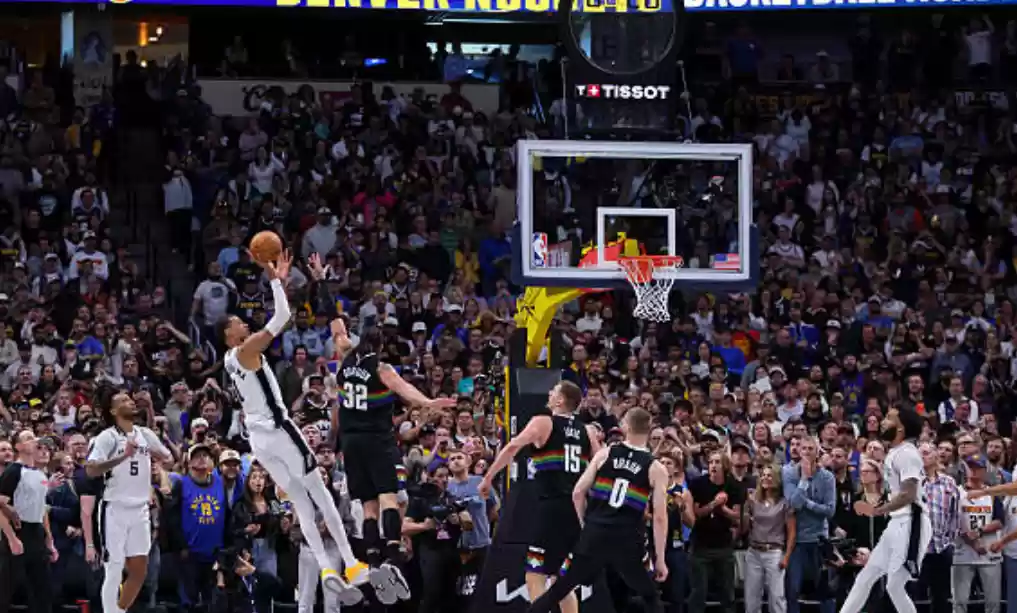
An offensive player shoots and misses but the ball touches the ring. If the same offense controls the rebound, the NBA generally calls for a 14-second reset. If the defence gains possession, a new possession normally receives 24 seconds. The operator must recognize the result quickly, while remaining responsive to the officials if the play is stopped or reviewed.
Why it takes training
A one-second timing error can affect the outcome of a possession. Timers need rule knowledge, reliable communications, tested equipment and a backup method if the visible clocks fail. The job is part of officiating support, not the arena entertainment crew. That distinction explains why a DJ may work at the same scorer's table area but has no authority to reset a shot clock.