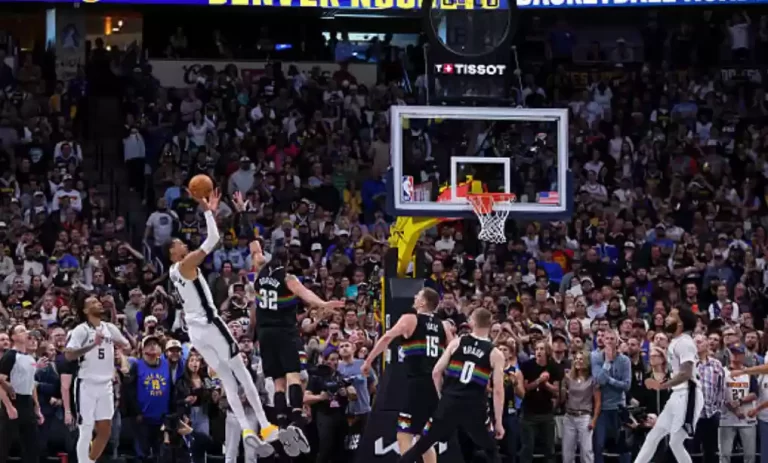
Tickets for the same sports event can change price because teams and primary ticket platforms use demand forecasts, inventory availability and timing to adjust prices. That is called dynamic pricing when the official seller changes its asking price. A resale listing changing price is a different transaction, even if both happen on the same screen.
How an official price can move
A team may open an early sale with several seating tiers. As inventory is sold and demand becomes clearer, it can change the listed price for remaining tickets. Factors can include the opponent, day of the week, standings, promotional activity, weather expectations for outdoor events and how much time remains before the game.
An illustrative pricing timeline
| Moment | Hypothetical official seat price | Possible reason |
|---|---|---|
| Tickets go on sale | $65 | Initial forecast |
| Visiting superstar confirmed | $85 | Stronger expected demand |
| Late inventory remains | $72 | Slower last-minute sales |
These amounts are invented to explain the concept, not actual pricing history for a particular game. They also exclude possible taxes and fees. A buyer who paid $65 earlier is generally not entitled to a refund because later inventory sells for less.
Primary sales versus resale
On the primary market, the team or authorized seller controls the initial inventory and pricing rules. On a resale marketplace, a ticket holder may set an independent asking price, subject to platform and local requirements. An expensive resale listing is not evidence the team itself raised its primary price to that amount.
Why use dynamic pricing?
The seller wants to match supply to demand rather than leave money on the table for attractive games and unsold seats for quieter ones. Fans receive varying opportunities, but fluctuating prices can feel unpredictable. Clear displays of total cost and a distinction between official seats and resale seats help readers understand what they are actually buying.