The talent pipeline in professional motorsport has a visibility problem and a financial problem. Many capable young drivers never receive the testing time, sponsorship or competitive opportunities needed to demonstrate what they can do. Netflix's F1: The Academy follows competitors in the all-female F1 Academy championship during its 2024 season, bringing their racing and off-track challenges to a larger audience. The series is associated with producer Reese Witherspoon's Hello Sunshine and a championship led by managing director Susie Wolff. For sports-management readers, its central subject is not simply women driving fast cars. It is whether a new competition can create a genuine developmental bridge into the rest of the racing industry.
The Shelf · TV Series
F1: The Academy
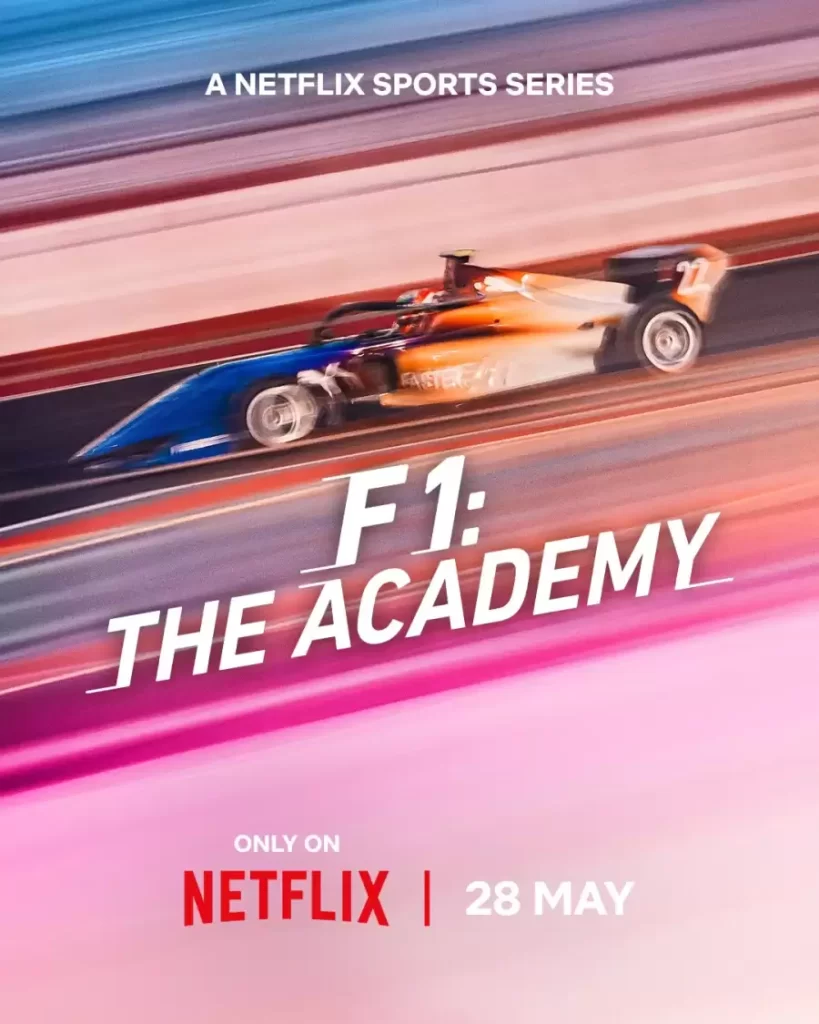
F1: The Academy follows women racing in the F1 Academy championship, spotlighting the sponsorship and development systems behind a new motorsport pathway.
The Gist
Why it caught our attention
At A Glance
F1: The Academy follows women racing in the F1 Academy championship, spotlighting the sponsorship and development systems behind a new motorsport pathway.
About This Shelf Item
About F1: The Academy
The cameras introduce drivers with different ambitions, personalities and forms of support. Motorsport success depends on results, but also on confidence, technical feedback, team relationships and the ability to secure funding for the next step. The documentary shows a championship trying to establish its competitive identity while benefitting from the global platform surrounding Formula 1. Individual setbacks and achievements give the story momentum, while the series' existence demonstrates that a development category also functions as a media and sponsorship product. Its proximity to championship promotion should encourage viewers to compare its ambitions with independent reporting about long-term driver progression.
Why It Belongs
The Sport Connection
F1: The Academy illustrates the management challenge of designing an equitable talent system in an unusually expensive sport. A dedicated series may make racing more accessible to some drivers, but equal opportunity requires transparent selection, credible technical standards, high-quality coaching and pathways beyond the featured category. Sponsorship can underwrite participation while introducing branding obligations and expectations about audience appeal. Teams and governing bodies need to ensure those commercial incentives do not override athletic development or participant welfare. The series also raises questions about how a major championship can lend visibility to an emerging competition without leaving it dependent on short-term publicity alone.
A women's development championship can increase visibility, but the effectiveness of a pathway depends on what happens before and after the cameras arrive. Young drivers still need funding, sufficient seat time, competitive engineering support and realistic routes into more advanced categories. Exposure may help attract sponsors, yet sponsors cannot be expected to solve every structural imbalance in junior motorsport. The series invites examination of how talent is identified when entrants have different levels of financial backing and access to equipment. A fair selection system needs to account for those conditions rather than assuming lap times emerge in isolation. The presence of established Formula 1 organizations can lend credibility and attention, but the deeper measure is whether more athletes obtain sustainable opportunities to progress. For the sport's leaders, that requires tracking career outcomes, not only social engagement or television viewing figures. The series is best understood as one visible part of a wider effort to change who gets to compete.
Our Recommendation
Why Watch F1: The Academy
This is an excellent case for studying women's sport investment and development economics. A successful documentary can change awareness quickly; building a stable racing career takes years. Administrators should track progression opportunities, retention, coaching quality and the financial sustainability of the pathway, not merely social engagement numbers. They should also avoid suggesting that every participant must reach Formula 1 for the program to be worthwhile. Professional opportunities across other motorsport categories can represent meaningful outcomes. The documentary's best contribution is its focus on drivers as competitors with varied futures, even when the larger marketing narrative needs a recognizable destination.
Final Thoughts
Arash's Final Thoughts
F1: The Academy belongs on the Shelf because it puts a spotlight on how access to elite sport is organized. The races supply the excitement, but the deeper measure of success will be whether opportunity continues after the cameras stop recording.
Keep Exploring
More On The Shelf