




The NIL Effect is a YouTube series that SPMA recommends for students interested in NIL and college athletics. Watch it to learn how college athletes find and complete NIL deals.
The Shelf · YouTube
The NIL Effect
By OpendorseCurated by SPMA Hub because sport culture lives beyond the field.
The NIL Effect is Opendorse’s documentary series following college athletes as they build personal brands and earn money from name, image and likeness deals.

The Shelf
The Gist
Why it caught our attention
The Details
Quick facts
- Format
- YouTube Series
- Creator
- Opendorse
- Topics
- Athlete creators, Docuseries, Sponsorship
- Relevant Sport
- Multi-Sport
- Relevant Sport Role
- Athletes
- Handle
- @Opendorse
- Hosts
- College athletes using NIL
- Based in
- Lincoln, Nebraska, United States
- Language
- English
- Formats
- Short documentary episodes, NIL explainers
- Watch on
- YouTube

At A Glance
The NIL Effect is Opendorse’s documentary series following college athletes as they build personal brands and earn money from name, image and likeness deals.

About This Shelf Item
About The NIL Effect
Opendorse is a technology, data and services platform that powers name, image and likeness (NIL) deals for college athletes, schools, collectives and brands. More than 175,000 athlete influencers use the platform to promote and monetise their personal brands. Its YouTube channel includes The NIL Effect, a short documentary series following individual college athletes.
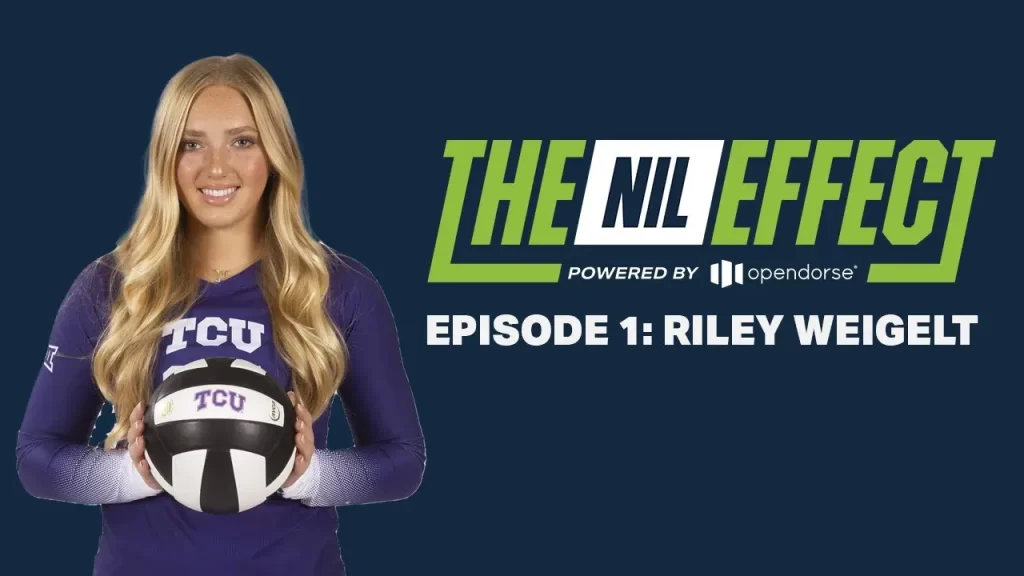
Each episode of The NIL Effect focuses on one athlete, such as Riley Weigelt, Jack Seidler, Syd McKinney, Mitchell Pehlke, Jon Seaton, Cami Wilson and Matt Koopman, showing how NIL changed their experience. Episodes run between ten and twenty minutes. The channel also includes explainers on real NIL market rates and how deals are completed on the platform.
The series was produced in the early years of NIL, making it a useful record of how athletes first approached the new market.

Why It Belongs
The Sport Connection
The NIL Effect belongs on The Shelf because NIL transformed college athletics. Athletes can now earn money from endorsements and appearances, and schools, collectives, brands and agencies have built new departments and businesses around it.
By focusing on individual athletes, the series shows the human side of NIL: how athletes balance sport, study and brand building, and how opportunities differ across sports. The rate card video shows how the market sets prices.
For SPMA readers interested in athlete marketing, compliance or college athletics administration, the series offers practical examples of a market that continues to evolve.
The rate card video is especially useful because it shows how pricing works in an emerging market. Understanding what drives NIL value, such as audience size, engagement and sport, helps anyone advising athletes or brands.
Our Recommendation
Why Watch The NIL Effect
Watch The NIL Effect to understand NIL from the athlete’s perspective. Start with Episode 1, then watch a few more episodes featuring athletes in different sports.
Next, watch the athlete rate card explainer to understand how deals are priced.
As you watch, consider how a school, collective or brand could support each athlete responsibly. Then compare the early NIL era with today’s revenue-sharing landscape, using resources such as ESPN E60’s Paid to Play and Extra Points on The Shelf.
If you work or volunteer in college athletics, consider how your school educates athletes about NIL. Use the series to identify topics athletes might need help with.
Who It Is For
Who should watch The NIL Effect on YouTube
- Students interested in NIL and college athletics
- Athlete marketing and brand partnership professionals
- Compliance and athlete services staff
Key Takeaways
What you will learn from The NIL Effect on YouTube
- How college athletes find and complete NIL deals
- How athletes build personal brands on social media
- What NIL means for athletes outside the biggest sports
- How NIL rates are set in the market
Start Here
Best The NIL Effect YouTube videos to start with
Videos load from YouTube only when you press play.
For Your Career
What The NIL Effect teaches about working in sport
NIL created a new marketplace. Schools, brands and agencies need people who can help athletes navigate it responsibly.
Follow
Where to watch The NIL Effect on YouTube
FAQ
The NIL Effect YouTube series: common questions
What is the The NIL Effect YouTube series about?
The NIL Effect is Opendorse’s documentary series following college athletes as they build personal brands and earn money from name, image and likeness deals.
Who makes The NIL Effect?
The NIL Effect is made by Opendorse. On camera: College athletes using NIL.
Is The NIL Effect useful for sport management students and professionals?
Yes. It is especially useful for: Students interested in NIL and college athletics; Athlete marketing and brand partnership professionals; Compliance and athlete services staff.
Which The NIL Effect videos should I watch first?
Start with: The NIL Effect | Episode 1: Riley Weigelt; The NIL Effect | Episode 3: Syd McKinney; The NIL Effect | Episode 5: Jon Seaton.
Final Thoughts
Alex's Final Thoughts
The NIL Effect is a valuable record of college athletes navigating a new marketplace. It is personal, practical and grounded in real examples.
Its biggest lesson is that NIL is about brand building as much as money.
The series dates from NIL’s early years, so pair it with current reporting to understand how the market has changed.
It also shows how a technology company uses storytelling to explain its role in a new industry.
My advice is to use it as a foundation for careers in athlete marketing and college athletics.
Related organizations

Keep Exploring
Similar YouTube channels on The Shelf





Same sport
More Multi-Sport on The Shelf
Stay in the loop
Follow SPMA
New jobs, interviews and sport-industry news in your feed.






Hiring now on Sports Hired
7568143 new jobs in sport this week
Teams, leagues, agencies and brands in Canadain the USAin Canada & the USA are hiring. Find your next role, or let new ones come to you.
343321664 open jobs2,8676,2869,153 organizations
Just posted
 Digital Content & Social Media InternSport Management Hub · Toronto, ON★ Featured
 Senior Software Engineer, Bet EnginePENN Interactive · Remote3 hours ago
 High Performance Intern (Winter 2027)Rugby Ontario · Toronto, ON3 hours ago
 Player Development Associate (Arizona)San Francisco Giants · Papago, AZ48 minutes ago
- Account ExecutivePENN Interactive · Los Angeles, CA3 hours ago
 Baseball Operations Intern (Summer 2027)Royal Oak Leprechauns · Royal Oak, MI3 hours ago
- Digital Content & Social Media InternSport Management Hub · Toronto, ON★ Featured
- Player Development Associate (Arizona)San Francisco Giants · Papago, AZ48 minutes ago
- Account ExecutivePENN Interactive · Los Angeles, CA3 hours ago
Copied
