





For Miranda Rodriguez, introducing someone to tennis is a starting point, not the finish line. As Tennis Growth and Engagement Manager at USTA Chicago, she works across the city and surrounding suburbs to connect new audiences with the sport through community partnerships, local events, and welcoming opportunities to play. Her perspective draws on collegiate tennis, coaching, and experience in community engagement, events, partnerships, and Human Resources. From pop-up courts to neighborhood park activations, Rodriguez’s work explores a practical challenge for sport professionals: how to make an initial encounter accessible and enjoyable while helping participants find their next opportunity to get involved.
Industry Profile
Connecting First Serves to Lasting Participation
Miranda RodriguezTennis Growth and Engagement Manager · USTA Chicago

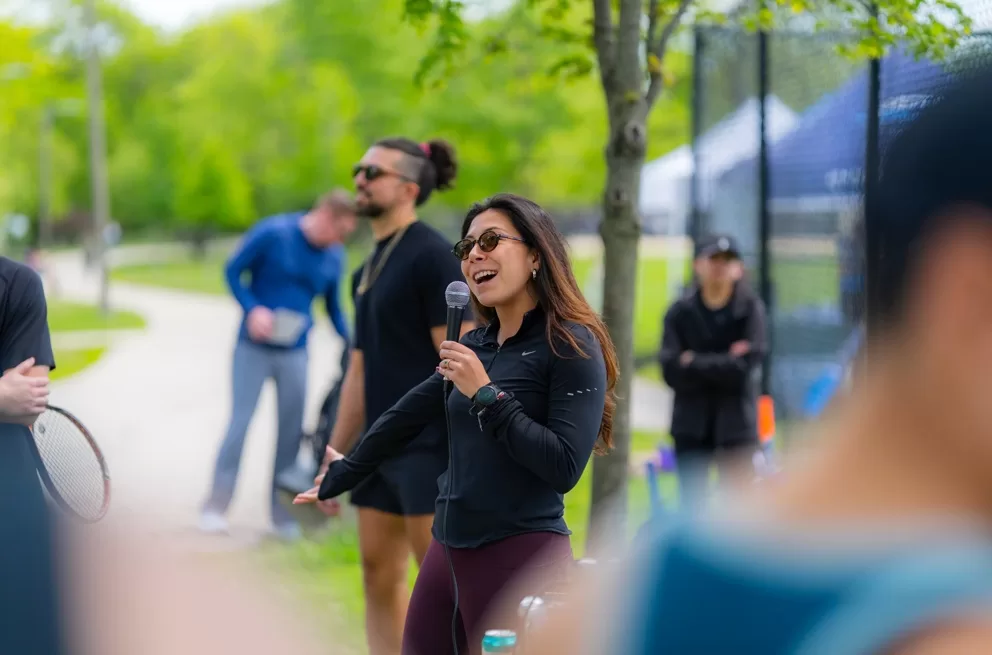
One of my biggest takeaways was that introducing people to tennis is only the beginning.
Introduction
The Conversation
Inside The Role
I’m the Tennis Growth and Engagement Manager at USTA Chicago, where my role focuses on introducing tennis to new audiences, building meaningful community partnerships, and creating opportunities for people to connect with the sport.
I work across Chicago and the surrounding suburbs, collaborating with schools, park districts, community organizations, local businesses, and other partners to bring tennis into spaces where people might not otherwise have the opportunity to experience it.
A big part of my work is making tennis feel accessible, welcoming, and fun, whether that's through a community festival, a pop-up tennis court, a wellness event, or a partnership that introduces the sport to an entirely new audience.
Within USTA Chicago, my role helps connect community outreach with long-term participation. The goal isn't just to introduce someone to tennis for the first time, but to help them discover opportunities to continue playing and become part of the tennis community.
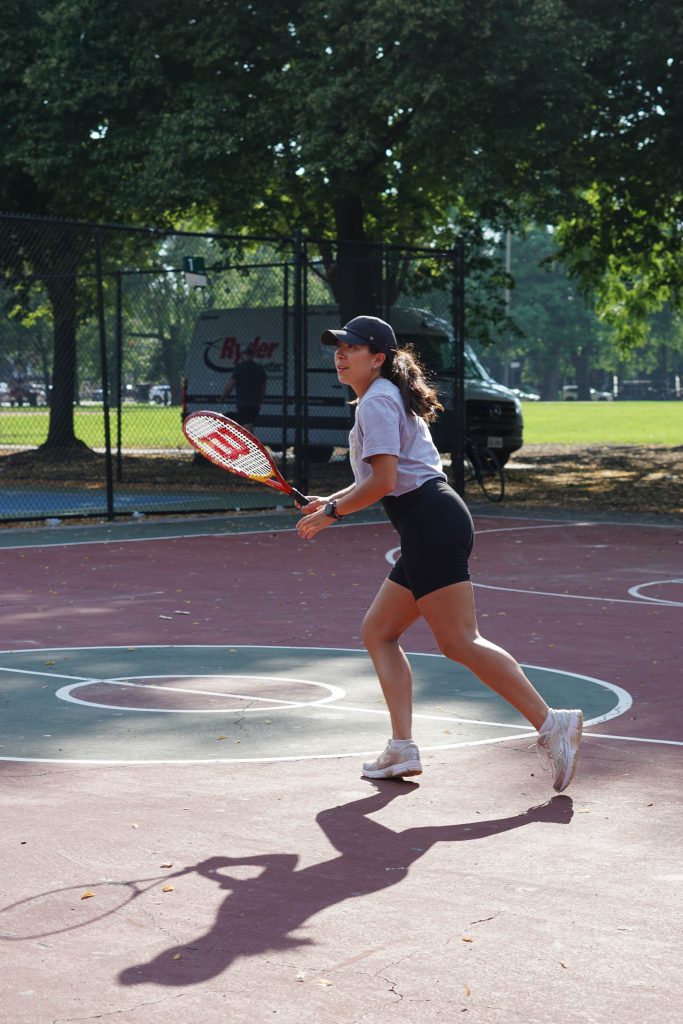
My work is a combination of community outreach, event planning, relationship building, and strategic development. Some days I'm meeting with potential partners, exploring opportunities for new programs, or planning upcoming events. Other days I'm out in the community, setting up a short tennis court at a festival, connecting with families, or introducing someone to tennis for the very first time.
I also work closely with our USTA Chicago team on marketing, communications, volunteer engagement, and finding ways to turn one-time experiences into ongoing opportunities to play.
A lot of collaboration goes into making these initiatives happen. I regularly connect with park districts, schools, community organizations, coaches, volunteers, and local businesses. I particularly enjoy the creative side of the job, finding unexpected places and partnerships where tennis can bring people together.
It's a balance of planning behind the scenes and being out in the community, and I love being able to see the direct impact of that work.
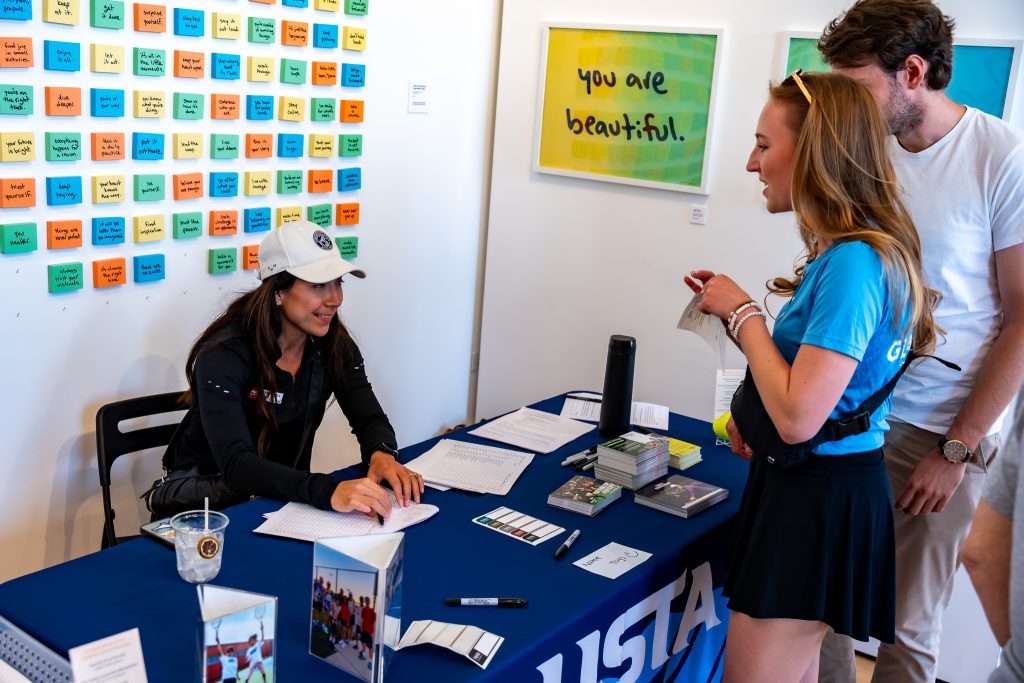
Tennis has been a huge part of my life, and it's played an important role in shaping both my personal and professional journey. I played Division I tennis at the University of Illinois Chicago, where I also served as team captain, and later continued playing at North Park University while pursuing my master's degree in Organizational Leadership.
Throughout my career, I've had the opportunity to experience tennis from different perspectives, both as a player and a coach. I worked as a Graduate Assistant Tennis Coach at North Park University and coached players of different ages and skill levels at Oak Park Tennis Center and East Bank Club. Those experiences taught me that tennis is about so much more than competition. It's also about building confidence, creating connections, and making people feel part of a community.
My professional background also extends beyond tennis, with experience in event planning, community engagement, partnership development, and Human Resources. Through these roles, I've had the opportunity to coordinate large-scale events, build meaningful relationships with people from different backgrounds, and collaborate with various teams and organizations. These experiences have strengthened my communication, leadership, and relationship-building skills, all of which play an important role in the work I do today.
Looking back, I think each of these experiences prepared me for my current role in a different way. I've always loved sports, working with people, and finding creative ways to bring communities together. My position at USTA Chicago allows me to combine all of those interests while helping more people discover and enjoy a sport that has given me so much.
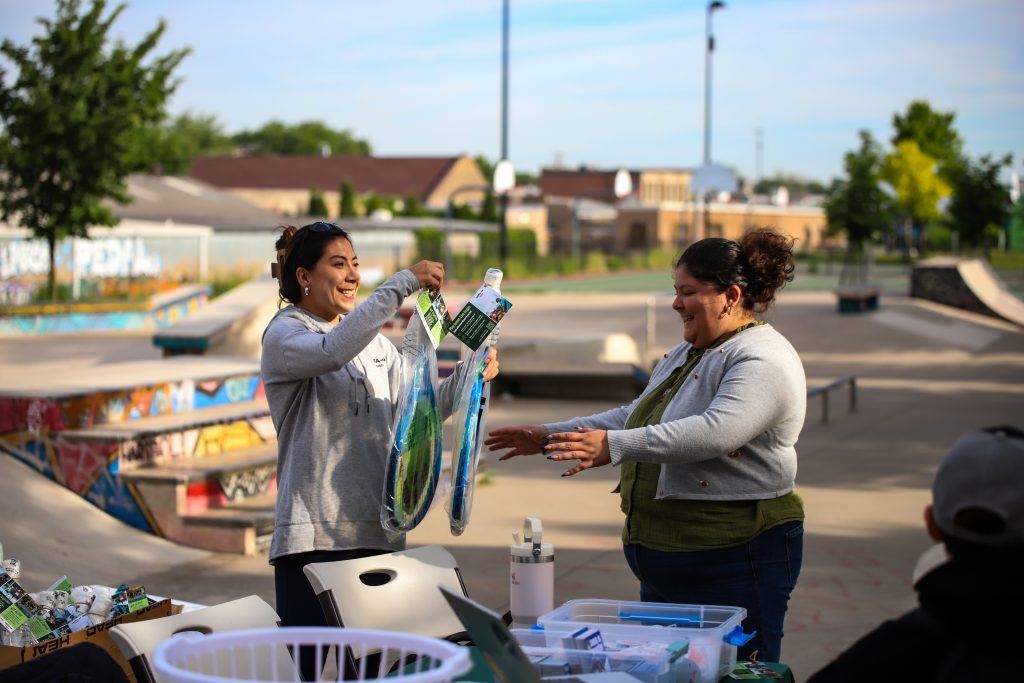
One initiative I'm particularly proud of is our National Tennis Month campaign in May 2026.
The idea was to bring tennis directly into Chicago neighborhoods through free introductory events at local parks, making it easier for people to experience the sport without needing prior knowledge, equipment, or a club membership.
Throughout the month, we organized 19 activations across 19 parks, engaging 333 participants with the support of coaches, volunteers, community partners, and local businesses.
What made this initiative especially meaningful to me was the opportunity to build partnerships beyond the traditional tennis community. We collaborated with local organizations and businesses to introduce tennis in a way that felt approachable, social, and connected to the neighborhoods we were serving.
One of my biggest takeaways was that introducing people to tennis is only the beginning. The real opportunity is creating a pathway for them to continue playing, whether through park programs, local providers, or future community events.
That experience has helped shape how I approach our upcoming initiatives: focusing not only on participation at an individual event, but also on building lasting relationships and sustainable opportunities for people to stay involved in tennis.
Final Thoughts
Alex's Final Thoughts
Rodriguez’s account offers a useful distinction for sport-industry practitioners: reaching people and retaining their involvement require connected but different efforts. USTA Chicago’s May 2026 National Tennis Month campaign brought 333 participants to 19 activations across 19 parks; her takeaway centers on what comes afterward. For those designing outreach, the lesson is to consider the next playing opportunity alongside the introductory experience. Her emphasis on coaches, volunteers, businesses, and community organizations also highlights partnership-building as part of program delivery—not simply promotion. A welcoming event can open the door; clear routes into further play give that invitation somewhere to lead.
Your next step
Want a career like Miranda's?
Find open roles across teams, leagues and sport organizations, or keep learning from the people already doing the work.

Connect With Miranda Rodriguez
Related organizations



Continue Reading
Related Industry Stories

Stay in the loop
Follow SPMA
New jobs, interviews and sport-industry news in your feed.






Hiring now on Sports Hired
51238289 new jobs in sport this week
Teams, leagues, agencies and brands in Canadain the USAin Canada & the USA are hiring. Find your next role, or let new ones come to you.
3811,0501,431 open jobs3,8518,20112,052 organizations
Just posted
 AnalystOttawa Rapid FC · Ottawa, ON36 mins ago
 Finance & Administration CoordinatorSport Nova Scotia · Halifax, NS4 hrs ago
 Sport Administration InternSoftball Canada · Ottawa, ON4 hrs ago
 Administrative AssistantFirst Tee · Phoenix, AZ2 hrs ago
 Social Content ProducerExcel Sports Management · Irvine, CA3 hrs ago
 Events SpecialistFanatics · New York, NY3 hrs ago
- AnalystOttawa Rapid FC · Ottawa, ON36 mins ago
- Administrative AssistantFirst Tee · Phoenix, AZ2 hrs ago
- Events SpecialistFanatics · New York, NY3 hrs ago
Copied
