




For Katie Hughes, connecting people to the Canada Games means sharing stories that reach beyond competition. As Advisor, Communications & Marketing at the Canada Games Council, she brings attention to athletes, coaches, volunteers, alumni and communities through bilingual communications and digital marketing. Her work also involves helping Host Societies prepare, coordinating with communications colleagues across Canada and supporting broadcast coverage. In this profile, Hughes reflects on the university conversation that opened a career opportunity, the preparation behind Games-time storytelling and a sustainability webinar that required a change in approach. Together, these experiences reveal her emphasis on collaboration, initiative and giving back to the sport community.
Industry Profile
Connecting People to the Canada Games


People will always remember how you made them feel long after a project or event ends.
Introduction
Quick read
Key takeaways
- Ask for the opportunity. Katie got her start by asking her university athletic director for any role in sport.
- Games-time coverage depends on preparation: aligned content plans, shared resources and clear responsibilities.
- Be kind. Sport is a small, connected community, and people remember how you treated them.
The Conversation
Inside The Role
My role as Advisor, Communications & Marketing is about connecting people to the Canada Games and sharing the stories that make the Games meaningful. That includes athletes, but also the coaches, volunteers, alumni and communities whose contributions extend well beyond the competition. Through bilingual communications and digital marketing, I help bring those stories to life across social media, our website, broadcast and campaigns.
I also support Host Societies through our Transfer of Knowledge program, sharing guidance and resources to help deliver these communications and maintain a consistent national brand as the Games move between communities across Canada.
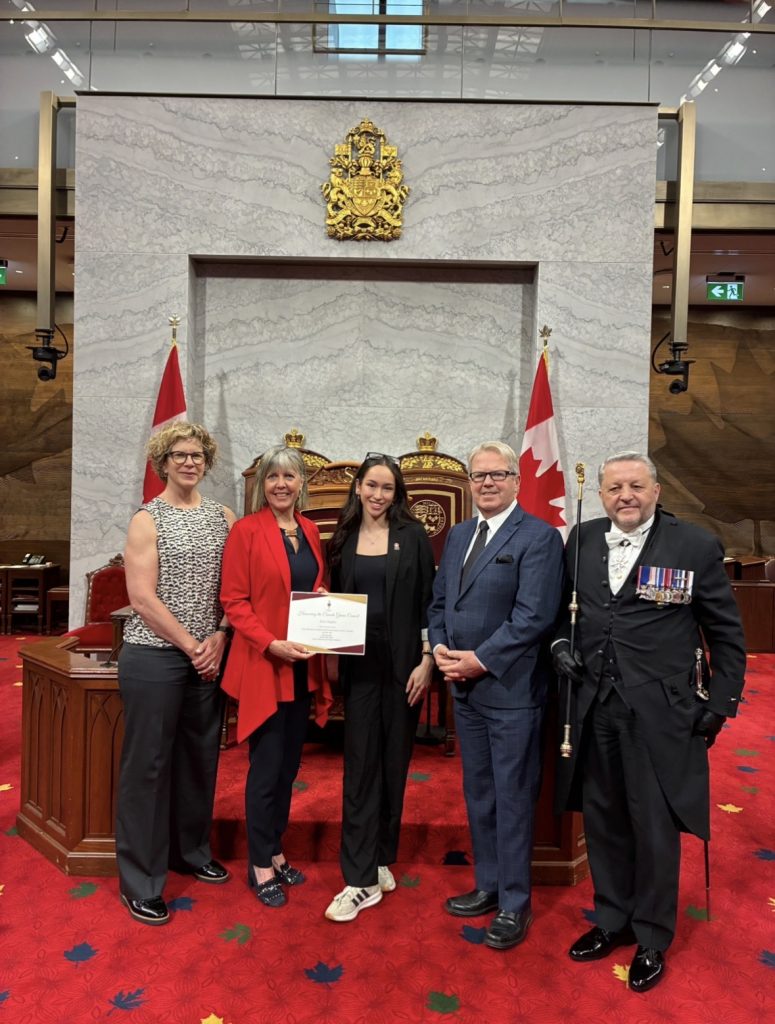
As we get closer to a Games, my attention increasingly shifts toward supporting the Host Society to ensure they can deliver the best Games possible. I work closely with provincial and territorial communications leads from coast to coast to coast, alongside national sport organizations, to share stories, build excitement and help Canadians connect with the Games. I also work with our broadcast partners and the Host Society to support coverage that allows families and communities to follow along from wherever they are.
There is a lot of preparation behind that work, from aligning content plans and sharing resources to clarifying responsibilities and anticipating media needs. The goal is to make our work together on the ground as seamless as possible, so we can capture the moments that matter and bring people across the country together through sport.
What means the most to me is the opportunity to help leave the sport community better than I found it.
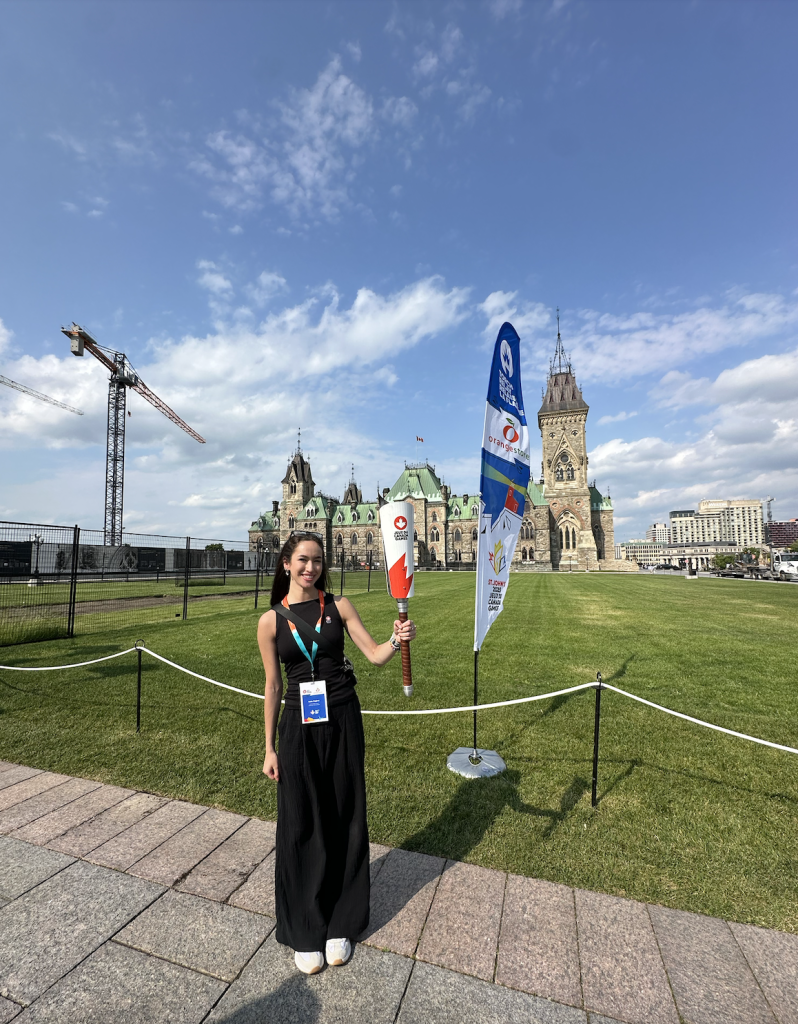
A part of me has always known I wanted to work in sport. By the end of my first year of university, I had asked for a meeting with our athletic director and essentially said, “I want to work for you. I don’t care if you pay me, and I don’t care if I’m mopping floors. I just want to be involved.” She graciously set me up with an opportunity in our sport marketing department, and that conversation became the springboard for my career. Working in university sport gave me hands-on experience in communications and content delivery, while helping me discover where I wanted to take my career.
My biggest advice is not to let the fear of hearing “no” stop you from asking. Putting yourself out there can feel intimidating, but it’s often the first step toward an opportunity you wouldn’t otherwise have. You don’t need to have everything figured out before putting yourself forward. Let people know what interests you, be willing to learn and follow through when someone gives you a chance.
And be kind. Sport is a small, connected community, and how you treat people matters. You never know what someone else is dealing with, so approach people with patience and respect, regardless of their title or what they can do for your career. People will always remember how you made them feel long after a project or event ends.
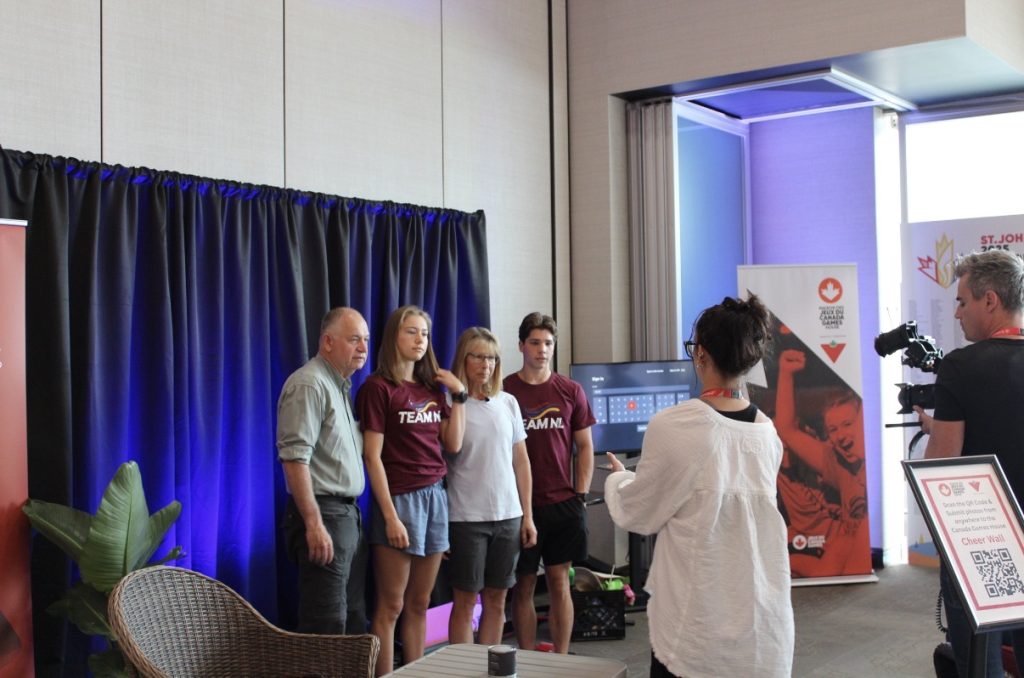
A project I’m particularly proud of is our recent environmental sustainability webinar, Sustainable Sport in Action: Turning Principles into Practice. Supported by the Canadian Olympic Committee and the International Olympic Committee, it brought together leading voices from sport and beyond to share practical ways to turn environmental goals into action. It also introduced our updated Sustainable Sport in Action: A Technical Companion and Planning Guide, which help event organizers embed sustainability into planning, delivery and legacy.
This was very much a team effort. My main responsibility was developing and executing the communications plan to get the word out across the Canadian sport community. That included email campaigns, social media, website content and outreach through our networks. I wanted people to understand both why the conversation mattered and what practical tools they could take away from it.
One challenge was adapting our original vision. We initially planned a webinar series, but expert advice led us toward one focused, impactful session.That meant being willing to rethink our approach while staying focused on what we wanted to achieve. Registrations and attendance exceeded our original benchmarks, and we created evergreen content that sport organizations can continue using for years.
What means the most to me is the opportunity to help leave the sport community better than I found it. I grew up in this community, and it has given me so much. Helping people host more environmentally conscious events feels like a meaningful way to give back, while caring for the places that make those experiences possible.
Final Thoughts
Alex's Final Thoughts
Hughes’s perspective offers practical lessons for those building a career in sport: ask for opportunities, follow through and treat people with respect. Her work also illustrates the connection between preparation and public-facing storytelling. Aligning plans, sharing resources and clarifying responsibilities support the coverage audiences ultimately see. The sustainability webinar adds another lesson: adapting a format can serve a project’s purpose without abandoning its goals. For sport communicators, her experience points to the value of pairing audience outreach with useful resources, while keeping the people and places behind sport at the centre of the work.
Your next step
Want a career like Katie's?
Find open roles across teams, leagues and sport organizations, or keep learning from the people already doing the work.

Connect With Katie Hughes
Related organizations

Continue Reading
Related Industry Stories
Stay in the loop
Follow SPMA
New jobs, interviews and sport-industry news in your feed.






42241283 new jobs in sport this week
Teams, leagues, agencies and brands in Canadain the USAin Canada & the USA are hiring. Find your next role, or let new ones come to you.
Just posted
 Digital Content & Social Media InternSport Management Hub · Toronto, ON★ Featured
 Senior Manager, Sport & Venues2029 Canada Games Host Society · Saint John, NB4 hours ago
 Concessions Attendant, Quick ServiceMaple Leaf Sports & Entertainment (MLSE) · Toronto, ON14 hours ago
 ReceptionistFanatics · New York, NY34 minutes ago
 Graphic DesignerFC Cincinnati · Cincinnati, OH2 hours ago
 Customer Marketing Senior AssociateFanDuel · New York, NY2 hours ago
- Digital Content & Social Media InternSport Management Hub · Toronto, ON★ Featured
- ReceptionistFanatics · New York, NY34 minutes ago
- Graphic DesignerFC Cincinnati · Cincinnati, OH2 hours ago
