




For Michael Hastings, keeping the Brampton Steelheads moving means connecting the work of the front office with the needs of hockey operations. As Vice-President, Team Services & Business Operations, he oversees responsibilities spanning player services, ticketing, sponsorship, communications and game-day operations. His path from Account Executive to a leadership role has demanded both broad learning and a willingness to take ownership. Drawing on early experience with the Toronto Marlies and Toronto Maple Leafs, alongside expanded responsibilities following COVID, Hastings offers a practical perspective on preparation, adaptability and the relationships that support a team behind the scenes.
Industry Profile
Connecting Team Services and Business Operations at the Brampton Steelheads
Michael HastingsVice-President, Team Services & Business Operations · Brampton Steelheads

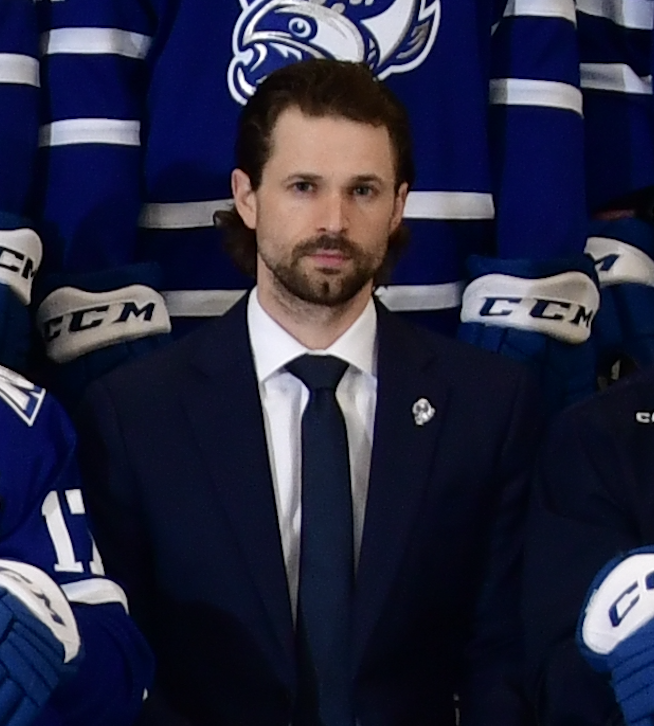
Introduction
The Conversation
Inside The Role
Currently, I am the Vice President of Team Services & Business Operations for the Brampton Steelheads, a position I have held for the past five seasons after joining the organization as an Account Executive. I have been with the organization for eight seasons and part way through season nine.
My role is overseeing virtually all off-ice aspects of the organization. This includes team services, business operations, communications, marketing, ticketing, sponsorship, community relations and game-day operations. I also manage the day-to-day logistics of team operations, including player services, scheduling and coordination with the OHL, our facility and community partners.
Ultimately, my role is to ensure all areas of the organization are working together and that communication is clear between the front office and hockey operations department. That means supporting our hockey operations staff so they can focus on player development and on-ice success, while also building a strong business, growing our fan base, developing meaningful community relationships and creating a positive experience for our players, partners, staff and fans.
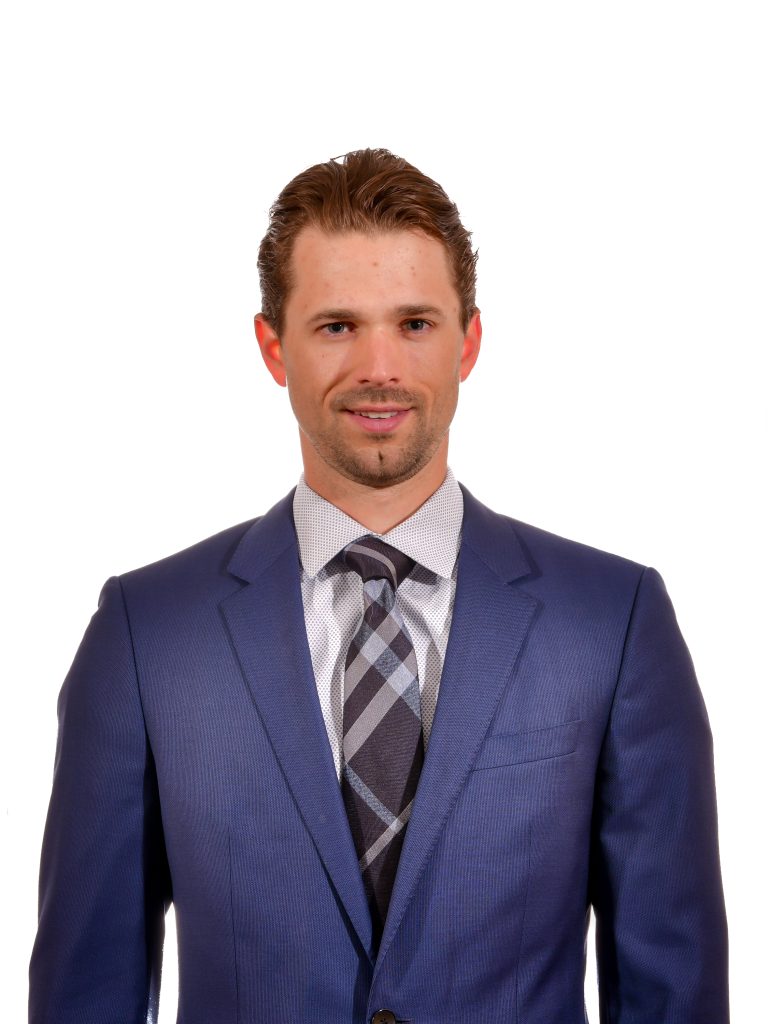
No two days are exactly the same, which is one of the things I enjoy most. My day typically involves balancing the day-to-day business operations with the needs of our hockey operations staff, players, employees and external partners.
I usually start by reviewing priorities, addressing any outstanding issues and connecting with staff to ensure everything is on track. Throughout the day, I may be coordinating team travel and player services, working with our General Manager and Head Coach on scheduling and operational needs, overseeing ticketing and sponsorship initiatives, managing communications and marketing projects, or meeting with league, community or facility partners.
On game days, my focus shifts toward ensuring all aspects of the event are running smoothly, from team operations and player requirements to game presentation, staff coordination, partners and the overall fan experience.
A big part of my role is also problem-solving and anticipating needs before they become issues. Whether it's a last-minute travel adjustment, a player-related matter, a business opportunity or an operational challenge, I need to be adaptable and prepared to manage whatever comes up.
Ultimately, my role is keeping the organization moving forward, making sure our staff have the support and ensuring that everything happening behind the scenes contributes to the success of the team.
I think the experiences that best prepared me for this position were the opportunities I had to work in different areas of professional sports, even if they weren't initially full-time roles. Before joining the Steelheads, I had part-time experience with the Toronto Marlies game crew and the Toronto Maple Leafs' Media Relations game-night staff. Those opportunities gave me exposure to the professional sports environment, taught me the importance of preparation and attention to detail, and allowed me to learn from people working in different areas of the industry.
However, a lot of my development came from being thrown into a much larger role following COVID. As the organization returned to normal operations, I found myself taking on significant responsibilities and having to learn many aspects of the business on the fly. There wasn't a roadmap or a playbook to follow, so I had to find my own way, take initiative, make decisions and learn through experience.
It was a tremendous learning experience that forced me to become adaptable, resourceful and comfortable stepping outside my comfort zone. I learned that you don't always need to have every answer when you take on a new challenge, but you need to be willing to find solutions, ask questions, take ownership and surround yourself with good people.
Looking back, I think that experience shaped the way I lead today. I've learned to trust my instincts, take accountability and never be afraid to figure something out. Our saying in the office is "Make it work."
One example that comes to mind is navigating the transition back to full operations following COVID. There were a lot of moving pieces, and we were essentially rebuilding certain processes while trying to ensure the hockey and business sides of the organization continued to operate effectively.
I was responsible for coordinating many different areas, including team services, staffing, facility operations, scheduling and business activities. There were situations where plans changed quickly, resources were limited and there wasn't always a process to follow. I had to take ownership, communicate with different stakeholders, identify solutions and make decisions, while learning the best approach.
That experience taught me the importance of being adaptable and having a solution-oriented mindset. In sports, things don't always go according to plan, and you need to be comfortable making adjustments.
The biggest lesson I would offer someone entering the sport industry is to be willing to do a little bit of everything, never think a responsibility is beneath you and don't be afraid to be uncomfortable. Sports is a relationship-driven industry, and success comes down to being dependable, building trust and being someone people can count on. You might start with a very specific job description, but the more willing you are to learn, take initiative and help wherever needed, the more opportunities you'll create for yourself.
Final Thoughts
Alex's Final Thoughts
Hastings’ experience offers a useful lesson for those building a career in sport: a job description need not define the limits of what someone is willing to learn. His account of rebuilding processes following COVID highlights the value of asking questions, making adjustments and remaining accountable when established procedures offer little guidance. Equally important is his emphasis on dependability. Supporting colleagues, communicating across departments and helping where needed are central to the approach he describes. For emerging professionals, the takeaway is practical: develop your skills broadly, take responsibility seriously and build trust through the work you do each day.
Your next step
Want a career like Michael's?
Find open roles across teams, leagues and sport organizations, or keep learning from the people already doing the work.

Connect With Michael Hastings
Related organizations
 Brampton SteelheadsBrampton, ON, CanadaView company
 Toronto Maple LeafsToronto, ON, CanadaView company
 Toronto MarliesToronto, ON, CanadaView company
 Ontario Hockey League (OHL)Scarborough, ON, CanadaView company
 National Hockey League (NHL)New York, NY, United StatesView company
 American Hockey LeagueSpringfield, MA, United StatesView company
Continue Reading
Related Industry Stories
Stay in the loop
Follow SPMA
New jobs, interviews and sport-industry news in your feed.






Hiring now on Sports Hired
42241283 new jobs in sport this week
Teams, leagues, agencies and brands in Canadain the USAin Canada & the USA are hiring. Find your next role, or let new ones come to you.
3719971,368 open jobs3,7827,89511,677 organizations
Just posted
 Digital Content & Social Media InternSport Management Hub · Toronto, ON★ Featured
 Senior Manager, Sport & Venues2029 Canada Games Host Society · Saint John, NB4 hours ago
 Concessions Attendant, Quick ServiceMaple Leaf Sports & Entertainment (MLSE) · Toronto, ON14 hours ago
 ReceptionistFanatics · New York, NY34 minutes ago
 Graphic DesignerFC Cincinnati · Cincinnati, OH2 hours ago
 Customer Marketing Senior AssociateFanDuel · New York, NY2 hours ago
- Digital Content & Social Media InternSport Management Hub · Toronto, ON★ Featured
- ReceptionistFanatics · New York, NY34 minutes ago
- Graphic DesignerFC Cincinnati · Cincinnati, OH2 hours ago
Copied
