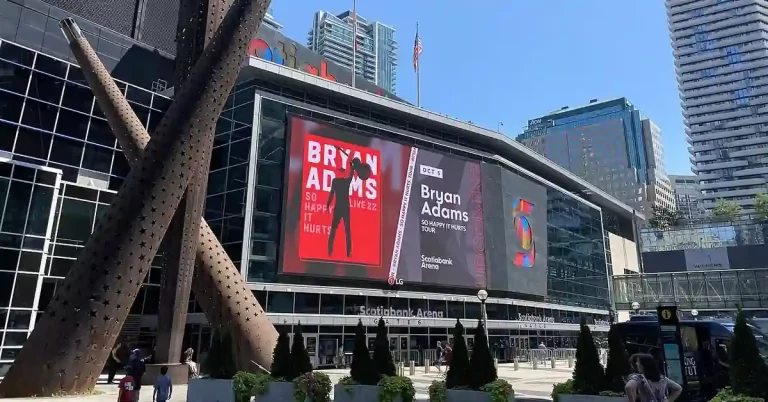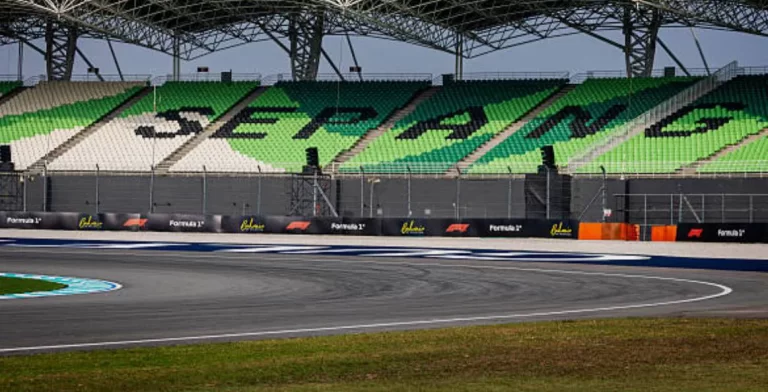
Sports sponsorship looks simple from the outside: a company pays a team, its logo appears somewhere and both sides call it a partnership. The real business is much more involved. A sponsorship agreement can include venue signage, digital content, hospitality, intellectual-property rights, player appearances, social posts, promotions, data, community programs and category exclusivity.
That complexity creates a career path with several distinct specialties. Some people sell the deal. Others activate it. Others manage the account, measure the results or make sure every promised asset is delivered. Understanding those differences is the first step toward finding the right sponsorship job.
What is a sports sponsorship job?
A sports sponsorship job helps a rights holder or brand create commercial value from an association with sport. Rights holders include teams, leagues, events, athletes, governing bodies and venues. Brands may manage sports partnerships internally or use agencies to plan and activate them.
The work sits at the intersection of sales, marketing and operations. That is why the strongest professionals can understand a contract, communicate with clients, work across internal departments and still think creatively about the fan experience.
Partnership sales
Sales professionals identify companies that could benefit from an association with the property, research decision-makers, build proposals, negotiate terms and close agreements. The best sellers do not start with inventory. They start with the brand’s business problem.
A financial-services company may want customer acquisition. A consumer brand may want awareness in a specific demographic. A local business may care about hospitality and community visibility. The seller’s job is to connect the sports property to that objective.
Useful skills include prospecting, discovery, presentation, negotiation, CRM discipline and commercial writing. Compensation may include commission, which can make total pay depend heavily on performance.
Partnership activation
Activation begins after the contract is signed. The activation team turns rights into experiences and campaigns. They may coordinate signage, social content, fan promotions, hospitality, contests, player appearances and event execution.

This work rewards project management. A single partner can have dozens of deliverables across a season, each involving different internal departments. Missing an approval or deadline can affect the client relationship.
Activation professionals often become excellent cross-functional operators because they work with creative, legal, ticketing, events, communications and venue teams at the same time.
Account management and partnership success
Account managers own the relationship after the sale. They lead meetings, understand changing priorities, coordinate deliverables and identify renewal opportunities. In some organizations, account management and activation are combined. In others, they are separate functions.
The best account managers are proactive. They do not wait until renewal season to ask whether the partner is happy. They keep a record of goals, assets, results and open issues throughout the year.
Rights delivery and commercial operations
Rights delivery is the infrastructure behind the partnership. Someone must know which partner has which category, which assets have been used, which approvals are outstanding and whether exclusivity rules are being followed.
FIFA’s 2027 Women’s World Cup volunteer structure includes Partnership Rights Delivery as a dedicated functional area, which shows how important this work becomes at scale. Major events can have many partners operating across multiple venues, cities and media environments.
People who enjoy systems, checklists and detail can build strong careers here even if they do not want to be traditional salespeople.
Sponsorship strategy and consulting
Brands and agencies often need help deciding where to invest. Strategy professionals study audiences, properties, objectives and competitive activity. They may recommend which rights to buy, how much to spend on activation and what the partnership should stand for.
This work can involve market research, brand strategy, financial modeling and presentation. Consultants need to understand both the sports property and the client’s wider marketing plan.
Measurement and analytics
Sponsorship has moved beyond counting logos. Brands want to know whether the partnership changed awareness, engagement, consideration, sales, leads or other outcomes. Analysts may combine media exposure, social data, surveys, CRM information and campaign performance.
Nielsen’s 2026 FIFA World Cup fandom research, for example, frames sponsorship around specific audience behavior and brand receptivity rather than generic visibility. That is the direction measurement careers are moving: from “how many people saw it?” toward “what business value did the audience create?”
What entry-level sports sponsorship jobs should you search?
- Partnership sales representative
- Corporate partnerships coordinator
- Partnership activation coordinator
- Client services coordinator
- Commercial operations coordinator
- Sponsorship research analyst
- Partnership marketing coordinator
Search multiple titles because organizations use different language for similar work.
How to build experience before your first sponsorship job
Create a sample sponsorship project. Choose a local sports property and identify five plausible brand targets. Build a simple inventory of assets. Write a one-page rationale for why each brand fits. Then create one activation idea that goes beyond placing a logo on a sign.
If you can, help a campus or community organization find a local partner. Even a small agreement teaches prospecting, pricing, fulfillment and relationship management. Keep the materials you are allowed to share and turn them into a portfolio case study.
What a sponsorship portfolio can show
Early-career candidates can demonstrate sponsorship thinking before holding a full-time partnership role. Choose a real sports property, identify a plausible brand, explain the audience fit, propose two or three rights and outline how the brand would activate them. Add a simple measurement plan tied to the brand objective. The exercise should not pretend a deal exists. Its purpose is to show that you understand the difference between selling logo exposure and building a partnership that solves a marketing problem.
That same portfolio can also become a conversation starter in interviews because it gives the employer something concrete to challenge, refine and discuss.
Frequently asked questions
Is sponsorship the same as advertising?
No. Advertising typically buys a media placement. Sponsorship buys a broader association and package of rights that can include media, intellectual property, hospitality, events and activation.
Do you need sales experience?
For partnership sales, it helps greatly. Activation and account-management roles may prioritize project management, client service and marketing experience instead.
Can sponsorship careers exist outside teams?
Yes. Agencies, brands, events, venues, athletes, media companies and governing bodies all employ sponsorship professionals.
Related organizations

Have experience with this topic?
Help make this SPMA resource better with a first-hand perspective, practical addition, or question. Use your SPMA account or contribute as a guest.