Career Guide
About This Role
A Communications Coordinator in sport helps turn approved information into accurate, timely material for the people who need it. The work may include drafting updates, maintaining contact lists, preparing releases, checking programme information, arranging interviews, and tracking approvals. In many organizations, the coordinator is close enough to the detail to notice that a published time, a draft graphic, and an internal schedule do not agree.
The position is not simply an entry-level version of being an organizational spokesperson. Its value comes from reliable information handling and clear execution. A coordinator needs to understand which facts they can verify, which changes require approval, and which enquiries belong with a manager or another department. Good judgement includes knowing when not to publish.
Keeping a dependable source of information
O*NET’s profile of public relations specialists includes preparing communication material, maintaining relationships, and responding to information requests. It is a broad occupational reference, not a definition of every coordinator position. An employer may assign a narrower combination of writing, media support, internal communication, and administration.
Begin by identifying the source for each recurring fact. Competition schedules, approved staff titles, participant lists, and organizational descriptions should have an owner. The coordinator should not be expected to decide which of several unofficial spreadsheets is correct without a way to confirm the answer.
Drafting with the reader’s next question in mind
A useful update explains what happened or will happen, who is affected, and what the reader should do next. A beautifully written announcement can still be incomplete if it omits the location, eligibility requirements, or contact for questions. Drafting should therefore begin with the essential facts rather than a promotional opening.
Write for the intended channel. An internal briefing may need background and response guidance that would overload a short public update. The versions should remain consistent even when their length differs. Avoid copying a longer document into a smaller format without checking whether important qualifications have been lost.
Managing approval without losing versions
Record who reviews factual details and who authorizes publication. A coordinator should be able to identify the current draft, the unresolved questions, and the approved version. File names, tracked changes, or a controlled publishing system can support this, but the team still needs a shared understanding of the process.
When a late correction arrives, check every affected item. Changing a date in a release may also require changes to a graphic, an email, a web page, and a briefing. A short dependency checklist prevents the corrected information from appearing alongside an outdated version elsewhere.
Maintaining contact and distribution records
Contact information needs a purpose and appropriate handling. Keep distribution lists relevant to the communication being sent, and follow the organization’s permission and privacy processes. Avoid treating an old spreadsheet as a permanently approved list for every future campaign.
A distribution record should show what was sent, when, and to whom through the approved channel. This makes it easier to answer whether a group received the final update. It also prevents unnecessary repeat messages when colleagues cannot tell whether a planned communication actually went out.
An illustrative schedule correction
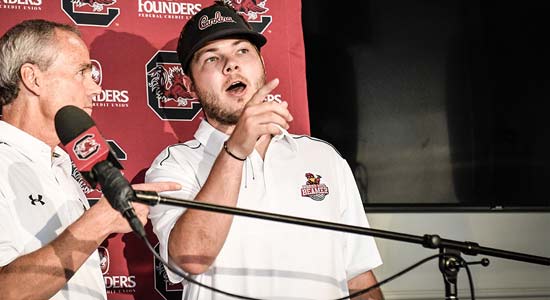
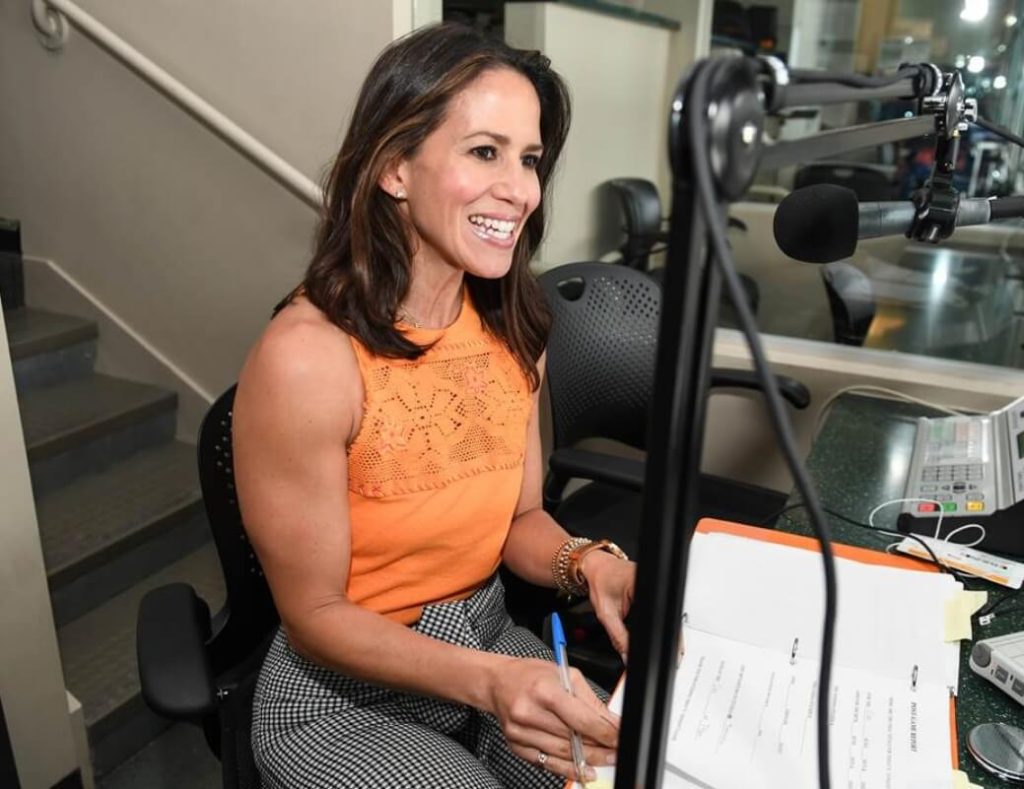
Luis Leyva of San Antonio FC described the coordinator role to SPMA in 2020: “Along with our Communications Manager, Preston, I help oversee our club’s communications efforts and serve as the liaison between our team, fans, and media.” Sara Campbell, NHL Coordinator of In-Game Communications, described the environment: “Sports communications is such a fast-moving landscape – I had one PR director describe it as organized chaos, so I think it’s important to be able to be adaptable and ready to pivot or shift to handle whatever comes your way.”
If the incorrect email has already been sent, the coordinator follows the agreed correction process. The update should make the changed information easy to find rather than burying it inside a general reminder. Staff handling enquiries receive the same confirmed explanation, and the website is checked for consistency.
The coordinator records the correction and its source. Afterward, the team can decide whether the original error came from an outdated schedule, an unclear approval step, or a missed final check. This turns a specific mistake into a process improvement instead of simply asking everyone to be more careful.
Supporting interviews and media requests
Media support may involve logging a request, obtaining the necessary details, checking availability, and coordinating an approved interview. Clarify the subject, deadline, format, and intended participant. A vague request to speak with someone is difficult for a manager to assess and may cause avoidable delays.
Do not promise access or speak on sensitive matters without authority. A Media Relations Manager may own those decisions, depending on the organization. The coordinator’s role is to provide a complete request and manage the agreed arrangements reliably.
Handling routine enquiries consistently
Prepare answers to recurring questions from approved information. A response guide should distinguish what staff can answer directly from issues requiring referral. Where a question concerns policy, eligibility, payment, or personal information, the coordinator should know the appropriate owner rather than create an answer to close the enquiry quickly.
Recurring questions can also reveal a weakness in published material. If several people ask where to enter a venue, the directions may be incomplete. Bring that evidence to the content owner. Communication improves when the team treats enquiries as feedback about clarity rather than merely a queue to empty.
Checking the final published result
Approval of a document is not the last quality check. Review the actual published page, message, or attachment for broken links, missing details, formatting problems, and unintended omissions. Confirm that the audience can reach the intended information without relying on an internal account or a draft-only link.
Keep an orderly archive of final versions and significant corrections. A colleague preparing next season’s materials needs to know which document was actually used and which details must be reconfirmed. Reusing an old template should save formatting time, not carry forward outdated facts without review.
Evidence for a first or next role
A practical portfolio could contain a fictional event announcement, a shorter channel adaptation, a factual checklist, and an approval log. Include an example of a correction handled clearly. Explain how you verified information and which decisions would require a manager’s approval in a real workplace.
SPMA’s archived interview with Tara MacBournie about sport communications offers a career perspective from an Olympic-organization setting. Use it to explore the field, not to assume that the duties or reporting structure described there define a present-day coordinator vacancy.
From SPMA’s industry interviews
Communications coordinators often blend roles. Luis Leyva of San Antonio FC (2020) told SPMA his job mixed PR and digital: helping oversee club communications with the communications manager, acting as liaison between the team, fans and media, running the club’s social accounts and translating for the club when needed. League roles can be more specialized: Sara Campbell, NHL Coordinator of In-Game Communications (2020), described starting two hours before puck drop on nights with up to 15 games, including delivering real-time explanations of video reviews and coach’s challenges to teams and broadcasters.
College athletics is another common route. Connor Tomko (2022) volunteered in Oklahoma State’s athletics communications office before landing a full-time role at Illinois. SPMA’s guide to the Sports Information Director covers that path.
Progression and employer questions
Experience in this role can support a path toward media relations, public relations, or wider communication management. A Public Relations Manager may have broader responsibility for audience strategy and sensitive organizational messaging. Progression involves expanding judgement and ownership, not merely producing more updates.
Ask how facts are verified, which channels you would maintain, who approves material, and how urgent requests are handled outside ordinary hours. A well-supported coordinator role combines clear supervision with room to take responsibility. The aim is dependable communication that colleagues and audiences can trust.
Communications coordinator jobs on SPMA: what the postings show
Since late 2023, SPMA has listed 19 jobs that match this role, including 11 in Canada and 8 in the United States. Employers used titles such as “Communications Intern”, “Communications Coordinator”, “Web and Communications Coordinator” and “Events & Communications Coordinator”. Organizations that posted them include Canada Soccer, New York City FC, The Granite Curling Club of West Ottawa Inc, Minnesota Vikings and BC Soccer.
Examples of posted pay: Communications Coordinator, Sport Dispute Resolution Centre of Canada: C$56,000–C$66,000 a year. With so few postings listing pay, treat these as examples rather than a market rate.
Source: SPMA’s database of 3,289 sport job postings in Canada and the U.S., late 2023 to November 2026, matched by job title. Pay figures use the midpoint of each posted range and exclude postings without pay. See current communications coordinator openings on SPMA.
Communications coordinator salary and job outlook
Pay for Communications Coordinator positions depends heavily on the level of sport, the size of the organization and the region. The closest occupation tracked by the U.S. Bureau of Labor Statistics is public relations specialists, which had a median annual wage of $74,750 in May 2025 across all industries, with employment projected to grow by 2% from 2025 to 2035.
Treat any national figure as a broad benchmark rather than a sport-specific salary. Jobs with junior, minor-league, university and nonprofit sport organizations often pay below all-industry figures, while senior roles at major professional teams and leagues can pay more. In Canada, use Job Bank’s wage search to check current wages for the closest occupation in your province, and compare with pay ranges in live postings on SPMA’s jobs board.
Common career questions
How much does a communications coordinator make?
Pay varies widely by level of sport and organization. The closest U.S. government occupation category, public relations specialists, had a median annual wage of $74,750 in May 2025 across all industries, but many sport jobs pay less, especially at junior, minor-league, university and nonprofit organizations.
What does a communications coordinator do in sport?
A communications coordinator writes and distributes releases, game notes and updates, arranges media interviews, maintains contact lists and keeps published information accurate and consistent for a team or sport organization.
Is a communications coordinator an entry-level job?
Often, yes. It is a common first full-time role after internships or student work in athletics communications, journalism or PR.
What skills does a sport communications coordinator need?
Clear, fast writing, attention to detail, media relations basics, social media skills and the judgment to follow approval processes.