Career Guide
About This Role
Sport organizations are often highly visible members of their communities. Fans may know them for what happens on the field or court, but teams, leagues, athletes, foundations, governing bodies, and events also support schools, charities, youth programs, health initiatives, and local causes. A Community Relations Manager helps organize those efforts and build meaningful relationships between the organization and the people it serves.
The job combines program development, relationship management, events, communications, and public engagement. Community Relations Managers may work with nonprofit organizations, schools, municipal partners, sponsors, athletes, volunteers, foundations, and internal departments to deliver programs that align with organizational values and community needs.
The Role of a Community Relations Manager in Sport Organizations
A Community Relations Manager develops and manages programs that connect a sport organization with local communities. These initiatives may include youth sport access, education, health and wellness, inclusion, fundraising, volunteering, donations, environmental programs, or charitable partnerships.
The manager must balance community impact with organizational priorities. Effective programs should be authentic, well organized, and relevant to the people they are designed to support.
Community Program Development
Managers help design programs based on organizational goals and community needs. This can involve identifying target populations, establishing objectives, building budgets, selecting partners, developing delivery plans, and determining how impact will be measured.
Nonprofit and Community Partnerships
Community work depends on relationships. Managers meet with charities, schools, community groups, municipalities, and other organizations to understand needs and explore ways to collaborate. Strong partnerships can help programs reach more people and create more lasting impact.
Athlete and Talent Appearances
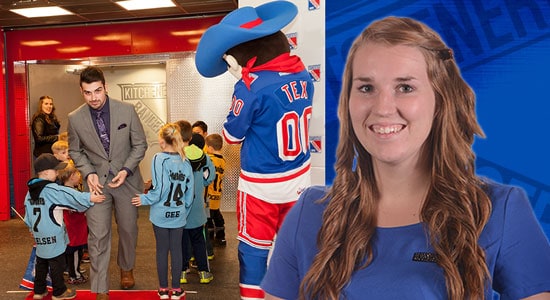
Players, coaches, alumni, mascots, and executives may participate in community events. The Community Relations Manager often coordinates schedules, transportation, briefing information, event expectations, photography, and other logistical details.
Fundraising and Donations
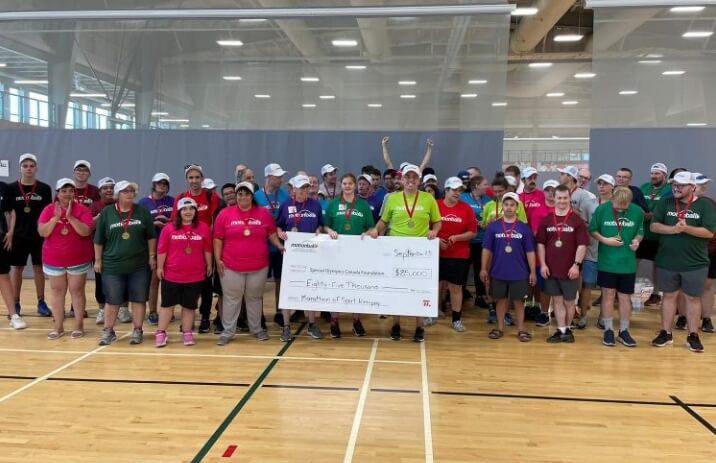
Some departments manage charitable donations, ticket donations, auctions, foundation events, grants, or fundraising campaigns. Managers may help establish eligibility criteria, coordinate requests, track donations, and work with finance or foundation staff.
Community Events
Clinics, school visits, food drives, hospital visits, community festivals, volunteer days, and fundraising events require significant planning. Managers coordinate internal teams, community partners, volunteers, supplies, schedules, and communications.
Key Skills and Qualifications
Relationship Building
The manager represents the organization with many external groups. Trust, professionalism, empathy, and follow-through are central to successful community partnerships.
Program Management
Community initiatives often involve multiple locations, partners, participants, and deadlines. Managers need strong planning systems and the ability to oversee projects from concept through evaluation.
Communication Skills
The role involves speaking with community leaders, internal executives, athletes, volunteers, families, and media. Managers need to adapt their communication style to different audiences while representing the organization consistently.
Event Coordination
Many community programs include live events. Experience with registration, staffing, transportation, risk management, schedules, supplies, and participant communication is valuable.
Impact Measurement
Organizations increasingly want to understand the results of their community investments. Managers may track participation, volunteer hours, funds raised, geographic reach, partner feedback, and other program outcomes.
Education and Experience
Relevant fields include sport management, nonprofit management, communications, public relations, recreation, social sciences, community development, or business. Volunteer and nonprofit experience can be especially useful because it provides insight into the realities of community organizations.
Working in Community Relations
The work is highly people-focused and often extends beyond the office. Managers may spend time at schools, community centres, charity events, hospitals, sport facilities, or neighbourhood programs. Evening and weekend events are common.
The position can be particularly meaningful for professionals who want to combine a career in sport with social impact. The strongest programs create benefits that extend beyond a single promotional moment and contribute to long-term relationships.
Career Path and Professional Development
Community Relations Managers may begin as coordinators in community programs, foundations, communications, marketing, youth sport, nonprofit organizations, or corporate social responsibility. Early experience often includes event support, school visits, charitable initiatives, donation requests, volunteer programs, or community partner communication. These roles help professionals understand how to represent an organization respectfully outside the traditional game environment.
As responsibilities grow, professionals may design long-term community strategies, manage charitable budgets, oversee foundation programs, supervise staff, and advise leadership on community priorities. Career progression can lead to Senior Manager or Director of Community Relations, Foundation Director, Director of Social Impact, Corporate Social Responsibility leadership, or broader external affairs roles.
What Employers Look For
Employers often seek candidates who can combine empathy with strong administration. Community programs involve real relationships with schools, nonprofits, families, athletes, sponsors, and local leaders, but they also require budgets, schedules, approvals, risk management, measurement, and reporting. Candidates should be able to show that they can build trust while also delivering programs reliably.
Cultural awareness and listening skills are especially important. A sport organization should not assume it knows what a community needs, so strong managers spend time learning from partners and evaluating whether programs are having the intended impact. Experience with nonprofit organizations, volunteer coordination, youth programming, accessibility, fundraising, or social-impact measurement can all be useful preparation for a career in community relations.
Designing Community Programs
Strong community initiatives begin with a clear purpose. A Community Relations Manager may identify a local need, consult nonprofit or school partners, determine how the sport organization can contribute, and develop a program that uses the organization’s people, platform, facilities, or funding effectively. Programs may involve youth participation, education, health and wellness, inclusion, volunteerism, fundraising, environmental initiatives, or support for underserved communities.
Managers also need to think about sustainability and measurement. A one-time appearance can create visibility, but a well-designed program may build deeper impact through repeated engagement and long-term partnerships. Tracking participation, partner feedback, volunteer hours, funds raised, or other outcomes helps the organization understand whether the initiative is meeting its goals. Clear measurement also supports reporting to executives, foundations, sponsors, and community partners.
Conclusion
A Community Relations Manager helps a sport organization turn its visibility and resources into meaningful community engagement. The role requires program planning, relationship management, event coordination, communication, and a genuine understanding of community needs.
When done well, community relations strengthens both the communities being served and the organization itself. It can build trust, create positive experiences, and demonstrate that a sport property is connected to more than the results on the scoreboard.