The Shelf · Books

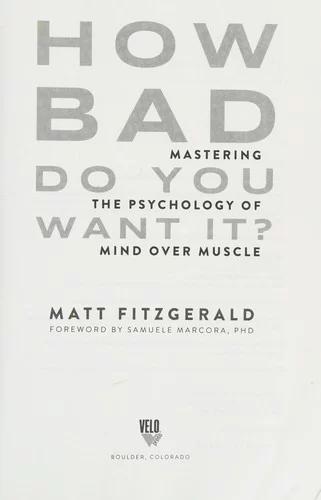
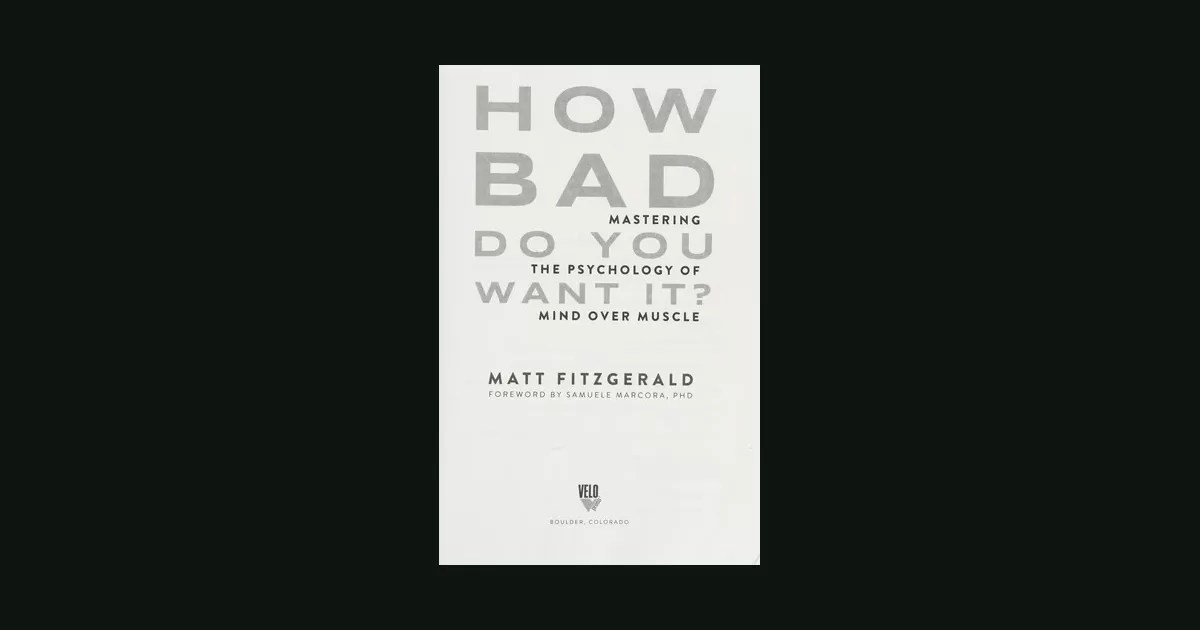
How Bad Do You Want It?

By Matt FitzgeraldReleased 2015Curated by SPMA Hub because sport culture lives beyond the field.

How Bad Do You Want It? examines the point in an endurance contest when physical preparation meets the interpretation of effort. Matt Fitzgerald uses race stories and athlete accounts to explore why similarly demanding situations can produce different responses. The question in the title is the beginning of the inquiry, not a complete answer.

Alex Bennett
Covered by Alex Bennett
The Shelf
How Bad Do You Want It?
The Gist Of How Bad Do You Want It?

The Gist

Why it caught our attention

Published in 2015, the book combines endurance reporting with a psychological argument about performance. Fitzgerald draws examples from running, cycling, triathlon, rowing and related disciplines. That range allows him to consider recurring competitive experiences without limiting the discussion to one sport's vocabulary or equipment.

The organizing interest is how athletes respond when maintaining an effort becomes difficult. Expectations, confidence and the meaning attached to discomfort become part of the story. Fitzgerald presents these as relevant to performance alongside physical preparation, rather than treating competition as a simple display of a capacity measured beforehand.

The Details

Quick facts

Format
Book
Author
Matt Fitzgerald
Published
2015

At A Glance

How Bad Do You Want It? examines the point in an endurance contest when physical preparation meets the interpretation of effort. Matt Fitzgerald uses race stories and athlete accounts to explore why similarly demanding situations can produce different responses. The question in the title is the beginning of the inquiry, not a complete answer.

About This Shelf Item

About How Bad Do You Want It?

Race narratives give the argument a concrete setting. Decisions are made with incomplete information, opponents are present, and the athlete cannot pause the event to conduct a detached analysis. A response that appears obvious afterward may have felt uncertain or unavailable in the moment.

The use of post-race accounts also gives access to how competitors explain themselves. Those explanations are valuable, but they are interpretations made with knowledge of the outcome. A careful reader can appreciate the insight while remembering that a compelling story does not isolate every cause of a performance.

The title's emphasis on desire needs similar care. Wanting something intensely does not erase differences in preparation, circumstances or physical capacity. Nor does an unsuccessful result prove that an athlete cared less. Fitzgerald's psychological focus is more productive when it opens questions about responses to effort than when it becomes a moral ranking of competitors.

The distinction between demanding effort and injury also matters. This is a book about an approach to endurance performance, not an instruction to dismiss warning signs or replace professional assessment. Its sporting argument should remain separate from decisions about an individual's health, especially when memorable racing stories tempt readers toward simplistic imitation.

Why It Belongs

The Sport Connection

For coaches, the book offers a reason to ask more precise questions after competition. A finish time describes an outcome; it does not explain what an athlete expected, noticed or believed at a difficult point. Understanding those experiences can make a debrief more informative than a verdict about toughness.

The same perspective can improve the way programs communicate ambition. Telling an athlete to want success more supplies little actionable information and may make honest discussion harder. Exploring preparation, interpretation and decision-making creates room for learning without assuming that every setback reflects a character flaw.

Sport organizations also help shape the meaning of effort. Selection practices, public praise and the stories coaches repeatedly tell can teach athletes what kinds of struggle are respected. Fitzgerald's book provides material for considering whether those messages encourage thoughtful persistence or merely reward the appearance of suffering.

Our Recommendation

Why Read How Bad Do You Want It?

This will interest endurance athletes who want to think about the mental side of racing through recognizable competitive situations. The variety of sports makes it useful for readers who enjoy comparing how similar pressures appear in different settings.

It should be approached as Fitzgerald's synthesis and argument, with individual stories evaluated in that light. Readers looking for a guaranteed psychological technique will find more value by considering the questions raised than by treating any champion's experience as a prescription for their next event.

Alex Bennett

Final Thoughts

Alex's Final Thoughts

How Bad Do You Want It? is most useful when the title leads beyond an easy celebration of willpower. Its richer subject is the relationship between preparation, perceived effort and the choices available under pressure. Fitzgerald gives readers a way to discuss that relationship while leaving room for the complexity that a race result can conceal.