




A football play can look ingenious on a whiteboard and fail as soon as an opponent changes alignment. Chris B. Brown is interested in what happens between an idea and its execution. His 2015 book The Art of Smart Football examines contemporary coaching through practitioners including Pete Carroll, Bill Belichick, Chip Kelly, Nick Saban and Gus Malzahn. It also explores quarterbacks such as Peyton Manning, Tom Brady and Aaron Rodgers, whose command of defensive information can shape decisions before the ball is snapped. The book addresses schemes, but its real subject is adaptation. A coach introduces concepts, opponents find responses, and coordinators must develop ways to remain effective without overwhelming the players responsible for execution. For readers studying performance systems, that feedback loop is more revealing than any single successful formation.
The Shelf · Books
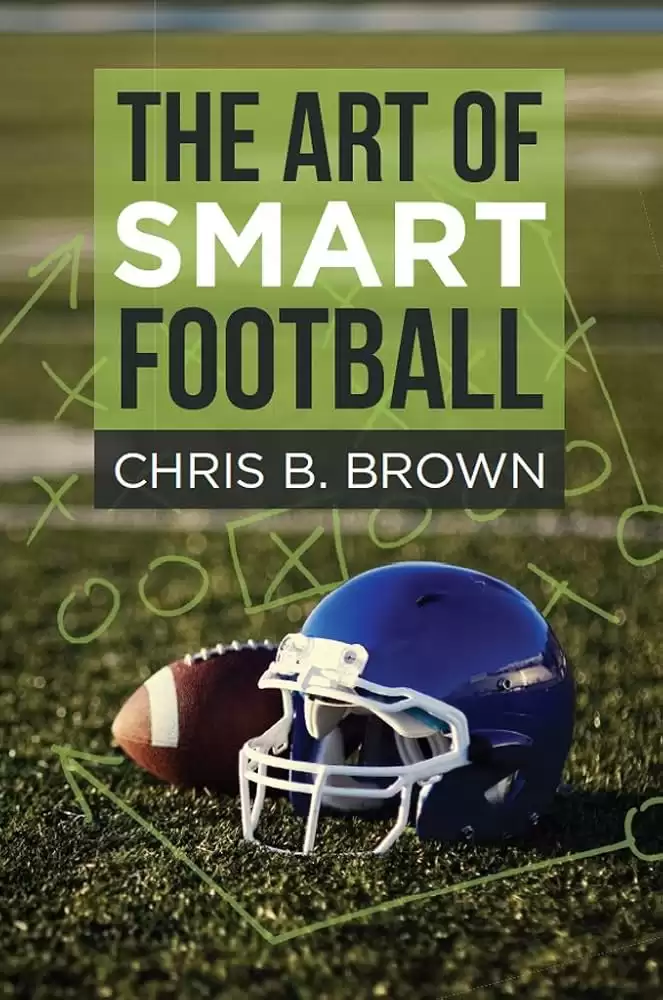
The Art of Smart Football
Football tactics are never isolated diagrams. In The Art of Smart Football, Chris B. Brown explains how coaches adapt systems, challenge defensive assumptions and help players recognize complex problems at full speed.
The Gist
Why it caught our attention
The Details
Quick facts
- Format
- Book
- Author
- Chris B. Brown
- Published
- 2015
- Genre
- Non-Fiction
- Relevant Sport
- American Football

At A Glance
Football tactics are never isolated diagrams. In The Art of Smart Football, Chris B. Brown explains how coaches adapt systems, challenge defensive assumptions and help players recognize complex problems at full speed.

About This Shelf Item
About The Art of Smart Football
Brown explains ideas such as packaged plays, which can combine run and pass possibilities, and pattern-match coverage, which blends features of zone and man defense. These concepts matter because they redistribute decisions among coaches and athletes. A quarterback reading a defender may have an option that does not exist in a conventional fixed play call. A defensive back asked to match a receiver according to a rule must interpret the developing route rather than simply defend a predetermined patch of turf. Complexity has a cost, however. Players need repetitions that make those judgments reliable under pressure. Brown's examples are valuable because they link tactical innovation to the practices required to execute it. Teams cannot expect the rewards of an advanced system without investing in the preparation that makes it understandable.

Why It Belongs
The Sport Connection
For a coaching director, the question is how innovation spreads through an organization. A head coach can hire a gifted coordinator, but the scheme still has to reach position coaches, analysts, scouts and athletes through consistent language. A recruitment decision should consider whether a player can meet a system's physical demands and process its decisions. That is different from asking whether the athlete performed well in a different context. A staff also needs to distinguish a sound tactical idea from an unsuitable implementation. If mistakes accumulate, is the concept flawed, the teaching ineffective or the personnel mismatched? Brown's account helps coaches treat film review as a diagnostic process rather than a hunt for blame. The same principle applies to any high-performance department: identify which decisions have been delegated and what evidence shows they are being made well.

Our Recommendation
Why Read The Art of Smart Football
The book is especially useful for understanding why football strategy has no permanent endpoint. Offensive spacing encourages defensive adjustments, which prompt fresh offensive answers. Faster tempo alters substitution options and communication windows. An aggressive defense may produce pressure but expose space elsewhere. None of these choices can be evaluated in isolation because every advantage creates a potential vulnerability. Brown's examples encourage sport managers to fund continuous professional development rather than assuming that a successful scheme remains competitive indefinitely. Technology can support that process through video and analytics, but tools do not solve the problem of explaining decisions to athletes. Clear teaching is a competitive resource, as is a coaching culture that allows assistants to question old assumptions without making experimentation reckless.
Final Thoughts
Arash's Final Thoughts
The Art of Smart Football rewards readers willing to look beyond highlights. Brown shows that strategy is a chain connecting analysis, coaching, player comprehension and execution. The best football organizations do not collect fashionable schemes as souvenirs. They evaluate why a concept works, what it asks of their personnel and how opponents might attack it next. For aspiring analysts, coaches and technical directors, that is a stronger starting point than believing any formation can remain a secret weapon forever.
Keep Exploring
Similar Books on The Shelf




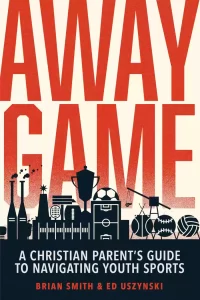
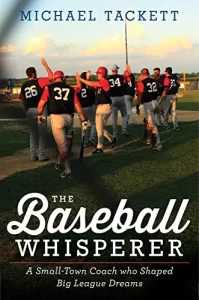
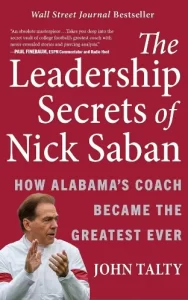

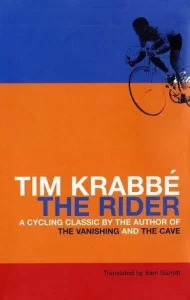
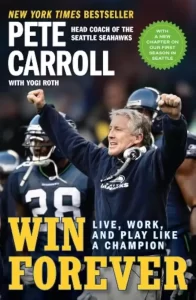
Same sport
More American Football on The Shelf





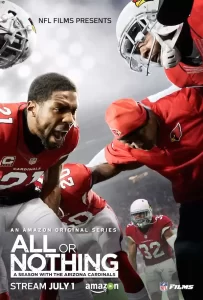

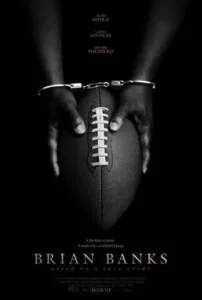
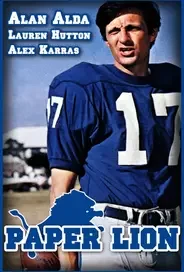
Stay in the loop
Follow SPMA
New jobs, interviews and sport-industry news in your feed.






74224298 new jobs in sport this week
Teams, leagues, agencies and brands in Canadain the USAin Canada & the USA are hiring. Find your next role, or let new ones come to you.
Just posted
 Digital Content & Social Media InternSport Management Hub · Toronto, ON★ Featured
 Event Operations & Fan Experience Crew (Game Day Staff Pool)Saskatoon Mamba · Saskatoon, SK1 day ago
 Chapter Director, First Tee – AlbertaGolf Canada · Edmonton, AB9 hours ago
 Assistant Athletic Trainer - BaseballUniversity of Iowa · Iowa City, IA9 hours ago
 General ManagerBrodie Rec League · Austin, TX19 hours ago
 Customer Marketing Coordinator, CommsFanDuel · New York, NY23 hours ago
- Digital Content & Social Media InternSport Management Hub · Toronto, ON★ Featured
- Assistant Athletic Trainer - BaseballUniversity of Iowa · Iowa City, IA9 hours ago
- General ManagerBrodie Rec League · Austin, TX19 hours ago
