



Fantasy football turns professional athletes' statistics into the basis of a separate competition. A fan can become intensely involved in an NFL game even when the result has little bearing on their favorite team, because a player on a different roster may determine a fantasy matchup. The League, created by Jeff Schaffer and Jackie Marcus Schaffer, explored this world across seven seasons from 2009 to 2015. Its characters make wildly disproportionate decisions in pursuit of imaginary trophies, and the resulting comedy is often deliberately crude. The show is still relevant to sports business because it captured the social rituals that helped fantasy football become a significant form of fan engagement. The connection is indirect, but it is real.
The Shelf · TV Series
The League
The League is an FX and FXX comedy about a group of friends whose fantasy football competition repeatedly spills into their relationships and careers. It is not a documentary about running the NFL, but it makes a serious point about the place sports fandom occupies in modern entertainment: the audience is not merely watching a product but building its own games around it.

The Gist
Why it caught our attention
The Details
Quick facts
- Format
- TV Series
- Released
- 2009
- Genre
- Drama
- Relevant Sport
- American Football

At A Glance
The League is an FX and FXX comedy about a group of friends whose fantasy football competition repeatedly spills into their relationships and careers. It is not a documentary about running the NFL, but it makes a serious point about the place sports fandom occupies in modern entertainment: the audience is not merely watching a product but building its own games around it.

About This Shelf Item
About The League
The series follows a circle of friends whose competitive habits overwhelm the boundaries separating sport from everyday life. Pete, Kevin, Jenny, Ruxin, Andre and Taco approach their league with different levels of seriousness and wildly different ideas of fair play. The comedy relies on deception, escalating rivalry and the persistent belief that winning the fantasy league is worth almost any cost. Real NFL personalities make appearances, connecting the fictional competition to the sporting ecosystem fans recognize. The episodes exaggerate behavior for entertainment and should not be read as a survey of actual fantasy players. Their recurring premise, however, is familiar: fantasy leagues become social institutions with their own rules, reputations and forms of belonging.

Why It Belongs
The Sport Connection
For a sports marketer, the most interesting lesson is how fantasy participation changes attention. A traditional club campaign asks supporters to identify with a team. Fantasy football can persuade them to follow players across the league, investigate injury reports and remain interested in games they might otherwise ignore. That has implications for digital products, editorial coverage, statistics and broadcast presentation. It also complicates allegiance. A supporter might celebrate an opponent scoring while their favorite club loses, because fantasy incentives operate on a different scoreboard. Leagues and broadcasters have to recognize those overlapping motivations without confusing a fantasy game's rules with the realities of player performance or organizational success.

Our Recommendation
Why Watch The League
The League also provides a useful reminder about communities built around competition. Inside a recreational group, participants create procedures, rivalries and sanctions that can feel disproportionately meaningful because the social relationships are longstanding. Managers of fan programs and recreational leagues should understand the appeal of shared rituals, but they should not imitate the show's harassment or disregard for consent. An effective community encourages playful competition without allowing the pursuit of a result to excuse mistreatment. The industry's business opportunities around fantasy sport likewise come with responsibilities around data use, consumer clarity and the distinction between harmless games and financially risky products. The sitcom does not explore those issues systematically, but its premise makes them easier to discuss.
Final Thoughts
Arash's Final Thoughts
The League belongs on the SPMA Shelf as a sports-culture comedy rather than a realistic description of NFL operations. Its value lies in showing how fans invent durable experiences around the sport they consume. Fantasy football is a reminder that spectators are active participants in the commercial ecosystem, creating demand for information, conversation and connection. Watch the show for its absurdity, then consider why a pretend competition can be powerful enough to shape real attention and spending. That question matters to anyone working in sports media or fan engagement.
Related organizations
Keep Exploring
Similar TV Series on The Shelf




Same sport
More American Football on The Shelf


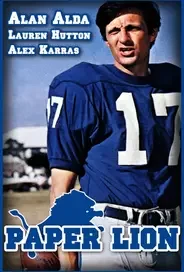
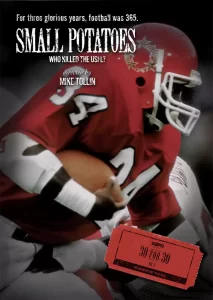
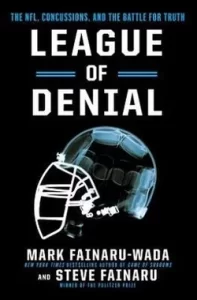
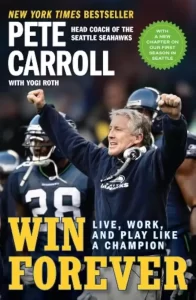
Stay in the loop
Follow SPMA
New jobs, interviews and sport-industry news in your feed.






6872140 new jobs in sport this week
Teams, leagues, agencies and brands in Canadain the USAin Canada & the USA are hiring. Find your next role, or let new ones come to you.
Just posted
 Content Creation InternSport Management Hub · Toronto, ON★ Featured
 Marketing InternLUG Sports Group · Remote1 hour ago
 Sales & Business Development InternWager Chatter · Toronto, ON1 hour ago
 Inside Sales Representative (Seasonal Position)Myrtle Beach Pelicans · Myrtle Beach, SC1 hour ago
 Director, FinanceFront Office Sports · New York, NY21 hours ago
 Staff Engineer, Balance and Ledger - CoreFanatics Betting & Gaming · New York, NY23 hours ago
- Content Creation InternSport Management Hub · Toronto, ON★ Featured
- Inside Sales Representative (Seasonal Position)Myrtle Beach Pelicans · Myrtle Beach, SC1 hour ago
- Marketing InternLUG Sports Group · Remote1 hour ago
