



A dynasty is easy to describe by counting trophies and much harder to explain through the decisions, injuries and relationships of individual seasons. ESPN's Man in the Arena: Tom Brady approaches the New England Patriots' championship era primarily through Brady's recollections, revisiting the contests and turning points that defined his professional career. The series eventually expanded to ten episodes and addresses both victories and painful disappointments. It is a compelling sports biography, but readers interested in management should pay particular attention to its narrative point of view. A successful athlete can reveal what leadership felt like from inside a high-pressure system without providing a complete account of everyone else's experience.
The Shelf · TV Series
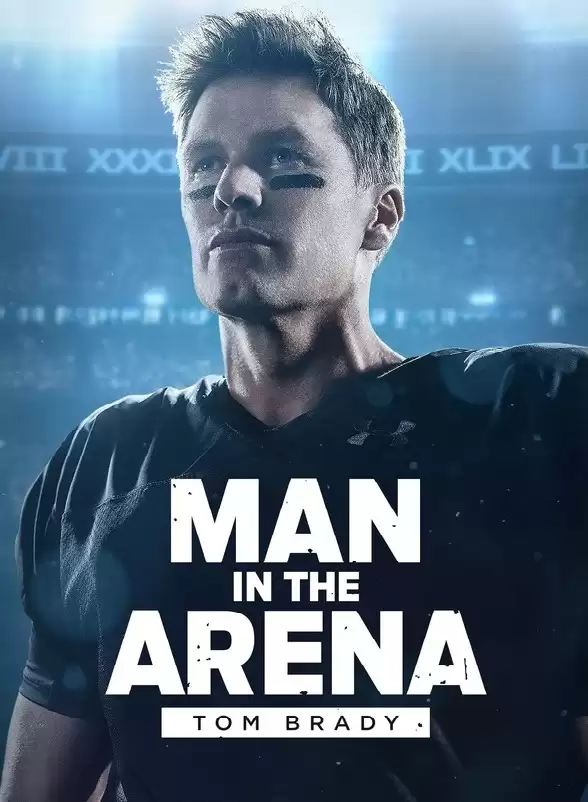
Man in the Arena: Tom Brady
Man in the Arena: Tom Brady re-examines championship seasons through the quarterback's perspective, revealing how sustained success shapes team leadership and public narratives.
The Gist
Why it caught our attention
The Details
Quick facts
- Format
- TV Series
- Released
- 2021
- Genre
- Documentary
- Relevant Sport
- American Football

At A Glance
Man in the Arena: Tom Brady re-examines championship seasons through the quarterback's perspective, revealing how sustained success shapes team leadership and public narratives.

About This Shelf Item
About Man in the Arena: Tom Brady
The documentary revisits Brady's development from an overlooked draft selection to the centre of one of American football's most scrutinized organizations. Episodes connect Super Bowl campaigns with injuries, teammates, coaching relationships and the expectations that accumulated with each success. Family and personal life also enter the story, demonstrating how the demands of elite performance extend beyond Sunday afternoons. Brady's testimony is central, accompanied by contributions that help situate different moments. The series offers a valuable first-person account, though a viewer should distinguish memory, interpretation and independently verifiable events. Its central figure has a considerable stake in how the history is told.

Why It Belongs
The Sport Connection
For sports leaders, the series provides a case study in sustaining competitive standards over time. Dynasties require player development, roster decisions, coaching continuity, salary-cap discipline and effective adaptation when opponents learn from previous success. Brady's experience highlights the importance of trust and communication between a central athlete and organizational leadership. Yet managers should resist the temptation to reduce complex outcomes to one player's mindset. Coaching staffs, medical teams, scouts and support personnel all contribute to a championship environment. The program also helps examine how organizations manage the public expectations created by winning. A high standard becomes both an asset and a source of pressure when each season is measured against exceptional past results.
Brady's retrospective account covers repeated seasons of success, but those seasons involved different teammates, opponents and organizational choices. A long career offers opportunities to observe how expectations change when winning becomes normal. The challenge for leaders is to preserve standards without allowing previous results to dictate every present decision. A veteran can provide experience and continuity while also occupying a place in a roster that must eventually evolve. That tension requires candid conversations between coaches, executives and athletes who may have incompatible timelines. The series gives Brady's perspective unusual prominence, so viewers should separate first-person recollection from a complete account of everyone involved. For sports-management readers, its value lies in treating performance as a product of relationships and repeated adjustment rather than a permanent quality possessed by one star. Greatness may make a documentary attractive to audiences, but the operational questions raised by a long career are the ones managers can use.

Our Recommendation
Why Watch Man in the Arena: Tom Brady
Man in the Arena is useful for studying executive-athlete relationships and the management of reputation. It raises questions about how disagreements are handled when a player is closely associated with a franchise's identity. It also shows how retrospectives can reinforce organizational myths, especially when viewers already know the outcome. A manager can learn from Brady's preparation and competitive habits while still asking what evidence supports broader claims about culture or strategy. Successful organizations benefit from honest reflection on losses as well as wins. That requires perspectives beyond the most famous participant and a willingness to examine systems that remained invisible during the celebration.
Final Thoughts
Arash's Final Thoughts
Man in the Arena: Tom Brady belongs on the Shelf because it gives rare insight into life inside a championship era. It is most valuable when treated as a major participant's account, and then placed alongside the wider organizational story that made the achievements possible.
Related organizations



Keep Exploring
Similar TV Series on The Shelf









Same sport
More American Football on The Shelf







Stay in the loop
Follow SPMA
New jobs, interviews and sport-industry news in your feed.






6872140 new jobs in sport this week
Teams, leagues, agencies and brands in Canadain the USAin Canada & the USA are hiring. Find your next role, or let new ones come to you.
Just posted
 Content Creation InternSport Management Hub · Toronto, ON★ Featured
 Marketing InternLUG Sports Group · Remote1 hour ago
 Sales & Business Development InternWager Chatter · Toronto, ON1 hour ago
 Inside Sales Representative (Seasonal Position)Myrtle Beach Pelicans · Myrtle Beach, SC1 hour ago
 Director, FinanceFront Office Sports · New York, NY21 hours ago
 Staff Engineer, Balance and Ledger - CoreFanatics Betting & Gaming · New York, NY23 hours ago
- Content Creation InternSport Management Hub · Toronto, ON★ Featured
- Inside Sales Representative (Seasonal Position)Myrtle Beach Pelicans · Myrtle Beach, SC1 hour ago
- Marketing InternLUG Sports Group · Remote1 hour ago
