



Published in 2008, the memoir gives that reserve a voice. Sampras built his game around a great serve, forceful attacking tennis and composure at the points that mattered most. The public could see the results. Here the interest lies in how he understood the obligations behind them, including the pressure of defending a place he had worked so hard to reach.
The Shelf · Books
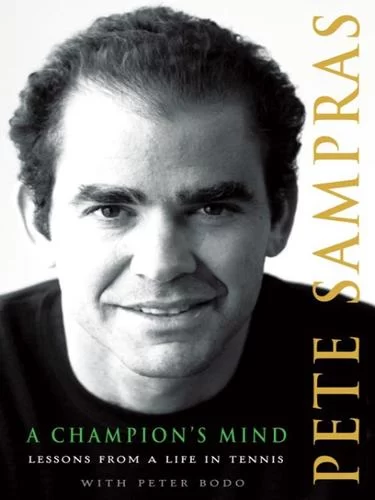
A Champion's Mind
By Pete Sampras & Peter BodoReleased 2008Curated by SPMA Hub because sport culture lives beyond the field.
A Champion's Mind brings the reader close to a player who seldom made public confession part of his act. Pete Sampras, writing with Peter Bodo, looks back on the choices behind his tennis career. His subject is the demanding work of staying at the top while keeping much of the rest of the world at a distance.

The Shelf
The Gist
Why it caught our attention
The Details
Quick facts

At A Glance
A Champion's Mind brings the reader close to a player who seldom made public confession part of his act. Pete Sampras, writing with Peter Bodo, looks back on the choices behind his tennis career. His subject is the demanding work of staying at the top while keeping much of the rest of the world at a distance.

About This Shelf Item
About A Champion's Mind
The career has a clear dramatic shape: early success, years of expectation, difficult losses and a final major title at the 2002 US Open. Andre Agassi supplies a particularly revealing contrast. Their rivalry put different styles of play and public presence on the same court. Sampras did not need to resemble his opponent to be compelling, and the memoir allows that quieter competitive identity to stand on its own.
Personal loss complicates the image of the self-contained champion. The death of coach Tim Gullikson belongs to a story in which professional routines could never entirely protect private life. A player's team is often described through its technical functions, but a trusted coach can also provide continuity and emotional security. Losing that person changes more than the advice available during a practice session.

Why It Belongs
The Sport Connection
For SPMA readers, the book offers a useful way to think about athlete services. A successful support system should suit the actual person it serves. Sampras's preference for privacy raises questions about how agents, coaches and media staff balance access with preparation. A less talkative athlete is still a public figure, but constant availability need not be the measure of professional commitment.
The memoir also makes sustained excellence worth examining separately from a breakthrough. Winning once can transform a career; returning with everyone expecting another title creates a different burden. Scheduling, recovery and the choice of competitive priorities gain meaning in that context. Sampras's account encourages attention to the decisions surrounding performance, rather than treating a strong mentality as a mysterious trait that explains every result after the fact.

Our Recommendation
Why Read A Champion's Mind
Readers interested in the Sampras and Agassi era will find a first-person counterweight to the familiar highlight reel. Those who prefer outspoken celebrity memoirs should expect a book more concerned with the demands of competition than with a wholesale reinvention of its author. That fit between subject and form is part of its appeal: the guarded public player does not have to become someone else to explain himself.
The perspective is also necessarily partial. Sampras is interpreting his own career, and the reader can value that testimony without treating it as a final verdict on every opponent or dispute. Comparing his priorities with another player's memoir can be especially productive. Different athletes can share the same tournament, tour and ranking system while experiencing the work of professional tennis in sharply different ways. His reserve also challenges the way sporting entertainment is often sold. A player can command attention through the precision of his work, leaving promoters to explain that excellence rather than demanding a more theatrical personality.
Final Thoughts
Alex's Final Thoughts
A Champion's Mind is strongest as an account of what a particular champion chose to protect. The titles matter, but so do concentration, trusted relationships and the right to approach public life on his own terms. It gives Sampras's apparent calm a human context and leaves a more precise picture of competitive focus than the usual advice to simply want success more.
Keep Exploring
Similar Books on The Shelf







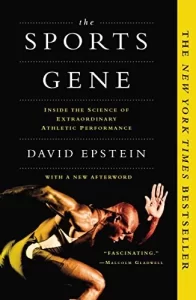
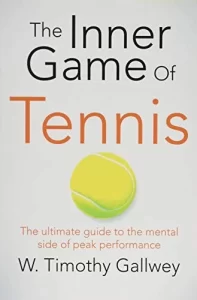

Same sport
More Tennis on The Shelf
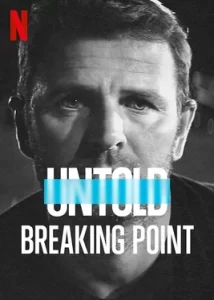

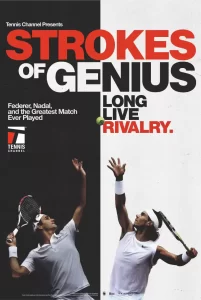




Stay in the loop
Follow SPMA
New jobs, interviews and sport-industry news in your feed.






Hiring now on Sports Hired
6766133 new jobs in sport this week
Teams, leagues, agencies and brands in Canadain the USAin Canada & the USA are hiring. Find your next role, or let new ones come to you.
317315632 open jobs2,3043,6215,925 organizations
Just posted
 Content Creation InternSport Management Hub · Toronto, ON★ Featured
 Community Engagement & Events InternNiagara River Lions · Thorold, ON1 hour ago
 Basketball CoachElite Camps · Toronto, ON1 hour ago
 Director, FinanceFront Office Sports · New York, NY20 hours ago
 Staff Engineer, Balance and Ledger - CoreFanatics Betting & Gaming · New York, NY22 hours ago
 Game Day Operator (New Jersey)Brodie Rec League2 days ago
- Content Creation InternSport Management Hub · Toronto, ON★ Featured
- Community Engagement & Events InternNiagara River Lions · Thorold, ON1 hour ago
- Basketball CoachElite Camps · Toronto, ON1 hour ago
Copied
