



Elite sport rewards the appearance of composure. The closer an athlete comes to a career-defining contest, the more coaches, sponsors and broadcasters may expect certainty. Untold: Breaking Point challenges that expectation through the experiences of American tennis player Mardy Fish, whose anxiety became overwhelming as he prepared for a major match at the 2012 US Open. The Netflix documentary recalls his rise on tour and the psychological crisis that disrupted a career that looked successful from the outside. Its value to sports management reaches beyond one athlete's diagnosis. It asks whether a high-performance organization can recognize distress, respond appropriately and protect an athlete without treating withdrawal as a failure of character.
The Shelf · Movies
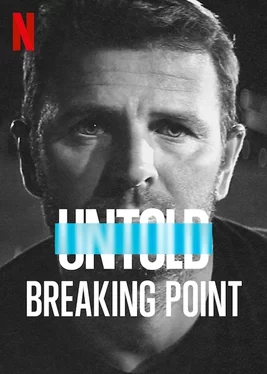
Untold: Breaking Point
Untold: Breaking Point examines how tennis player Mardy Fish confronted severe anxiety while competing near the top of an unforgiving professional sport.
The Gist
Why it caught our attention
The Details
Quick facts
- Format
- Movie
- Released
- 2021
- Genre
- Documentary
- Relevant Sport
- Tennis

At A Glance
Untold: Breaking Point examines how tennis player Mardy Fish confronted severe anxiety while competing near the top of an unforgiving professional sport.

About This Shelf Item
About Untold: Breaking Point
Fish emerged from an American tennis generation that also included Andy Roddick, and he ultimately reached the top ten in the world rankings. Breaking Point revisits the demands behind that ascent, including intense training, changing expectations and the pressure surrounding major events. The critical incident at the US Open becomes a way to discuss experiences that are not always visible on a results sheet. Through Fish's own account and contributions from people around him, the film explains how anxiety can interfere with the most familiar routines. It avoids the simplistic assumption that professional success protects someone from mental-health challenges. Nor does it suggest that an athlete must reveal private medical details to justify stepping away.

Why It Belongs
The Sport Connection
The managerial lesson concerns systems rather than inspirational resilience slogans. Coaches and athlete-support staff need confidential pathways for reporting distress, qualified clinical support and a culture where seeking help does not automatically threaten selection or sponsorship. Event organizers also have a role. Media obligations, performance deadlines and public attention can intensify pressure when an athlete is already vulnerable. An effective response requires careful coordination among medical professionals, the athlete and the sporting organization, with privacy and consent taken seriously. The film cannot supply a universal treatment framework, but it can show why decisions made under competitive pressure require more than the usual vocabulary of toughness.
Mental health in elite sport is not simply a matter of teaching athletes to cope with pressure. A competitive environment also creates the pressure through scheduling, financial expectations and the constant judgment of performance. Fish's experience invites discussion of the responsibilities surrounding a player, including the people who plan travel, negotiate sponsorship obligations and advise on medical decisions. A tennis professional is often treated as an independent contractor, but independence does not mean unlimited access to specialized support. Tournament organizations and governing bodies still make rules that affect working conditions. The documentary may resonate with viewers who have experienced anxiety, yet it should not be treated as a clinical guide or a template for every athlete's situation. Its value is in putting an individual account beside broader organizational questions: when does a player feel safe withdrawing, how can staff respect privacy, and what signals show that returning to competition is truly the athlete's own choice?

Our Recommendation
Why Watch Untold: Breaking Point
Breaking Point is useful for readers interested in athlete welfare, professional tennis operations and crisis communication. It invites difficult questions about the limits of performance monitoring. Teams may collect abundant physical data while remaining poorly equipped to recognize psychological distress, particularly when an athlete is delivering strong results. Administrators must also avoid turning someone's recovery into a marketing narrative without permission. A credible welfare policy should include access to care before a public incident, not merely an empathetic statement afterward. Fish's willingness to describe his experience gives the issue a human centre while reminding organizations that athletes need control over their own stories.
Final Thoughts
Arash's Final Thoughts
Untold: Breaking Point belongs on the Shelf because it treats mental health as a central responsibility of elite sport, not a peripheral concern. An organization is judged not only by the performances it extracts but by how it supports people when performance is no longer the priority.
Keep Exploring
Similar Movies on The Shelf












Same sport
More Tennis on The Shelf











Stay in the loop
Follow SPMA
New jobs, interviews and sport-industry news in your feed.






6766133 new jobs in sport this week
Teams, leagues, agencies and brands in Canadain the USAin Canada & the USA are hiring. Find your next role, or let new ones come to you.
Just posted
 Content Creation InternSport Management Hub · Toronto, ON★ Featured
 Community Engagement & Events InternNiagara River Lions · Thorold, ON1 hour ago
 Basketball CoachElite Camps · Toronto, ON1 hour ago
 Director, FinanceFront Office Sports · New York, NY20 hours ago
 Staff Engineer, Balance and Ledger - CoreFanatics Betting & Gaming · New York, NY22 hours ago
 Game Day Operator (New Jersey)Brodie Rec League2 days ago
- Content Creation InternSport Management Hub · Toronto, ON★ Featured
- Community Engagement & Events InternNiagara River Lions · Thorold, ON1 hour ago
- Basketball CoachElite Camps · Toronto, ON1 hour ago
