The Shelf · Movies

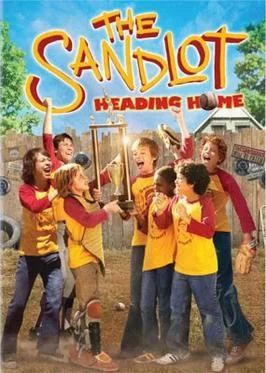
The Sandlot: Heading Home

Released 2007Curated by SPMA Hub because sport culture lives beyond the field.

A professional baseball player is transported back into his childhood and given a chance to rethink a formative Sandlot summer. Its familiar formula is less important than the choice between individual acclaim and belonging. Its time-travel conceit makes professional success look surprisingly small beside a childhood friendship.

Arash Sayed
Covered by Arash Sayed
The Shelf
The Sandlot: Heading Home

The Gist

Why it caught our attention

His adult memories of selfish ambition collide with a younger group for whom the game is a social relationship, not a career ladder.

The professional protagonist's journey backward is a convenient narrative trick, but the tension it creates is recognizable. An athlete who has learned to evaluate every game through a professional standard may forget the informal kindness that once made the sport enjoyable. Around children, status offers no useful shortcut; the adult must earn trust on terms entirely unlike his contracts or statistics. The film has a broad, sometimes obvious moral design, with nostalgia doing much of the work. But its central contrast is specific to a life spent trying to win at baseball.

The Details

Quick facts

Format
Movie
Released
2007
Genre
Drama
Relevant Sport
Baseball

At A Glance

A professional baseball player is transported back into his childhood and given a chance to rethink a formative Sandlot summer. Its familiar formula is less important than the choice between individual acclaim and belonging. Its time-travel conceit makes professional success look surprisingly small beside a childhood friendship.

About This Shelf Item

About The Sandlot: Heading Home

Time-travel comedy reworks the series' established nostalgia into an explicit argument about missed opportunities.

The time-travel story is deliberately less mysterious than its premise: a successful baseball professional encounters the sort of child he used to be and is forced to see how success has narrowed his view of others. The Sandlot world is still a place of invented rivalries and impossible summer adventures, but the returning adult gives its nostalgia a sharper moral purpose. The comedy depends on a mismatch of perspectives. Someone who knows the business of playing for a living enters a game whose participants are still discovering why they want to play at all.

Why It Belongs

The Sport Connection

The film allows reflection on how early sporting cultures influence adult professional identity and attitudes toward teammates.

Professional development pathways often discuss the habits a player should carry forward. This film is more interested in what a player can lose: patience with beginners, pleasure in informal games and recognition of teammates as people rather than supporting characters. The message is simple enough for family audiences, yet its premise makes a real distinction between a career in baseball and a relationship with baseball. In the sequel's best moments, the field is not a stepping stone to a contract but a place where an adult may finally learn to stop counting achievements.

Our Recommendation

Why Watch The Sandlot: Heading Home

Its familiar formula is less important than the choice between individual acclaim and belonging.

The time-travel device allows a self-absorbed professional to encounter baseball before it became a job and a public identity. Watch how the film contrasts the polished habits of a major-leaguer with children who still measure a game by friendship and the day's discoveries. It is sentimental, but that sentiment raises a legitimate question about what paid competition sometimes obscures.

Arash Sayed

Final Thoughts

Arash's Final Thoughts

Heading Home is for viewers who enjoy the Sandlot world and can accept a much more explicit lesson than the original delivered. The time-travel premise asks the athlete to recover a kind of membership that money and professional acclaim cannot buy. It is a family comedy, not a penetrating critique of the major leagues. Still, its insistence that the value of play can disappear in the pursuit of professional recognition makes it a worthwhile footnote to the series' larger theme.