



The Clarinda A's developed from a town team into a collegiate summer baseball programme associated with future major leaguers including Ozzie Smith, Bud Black and Von Hayes. Eberly's long involvement as coach and organiser gave the club continuity across generations of players. Tackett places that work in its Iowa setting, where a summer team could be both a sporting project and a point of local connection. The players arrived with ambitions of their own, but the organisation needed more than promising talent to endure. It depended on adults who would make room for young men, maintain expectations and keep the programme operating when attention from the wider baseball world was elsewhere.
The Shelf · Books
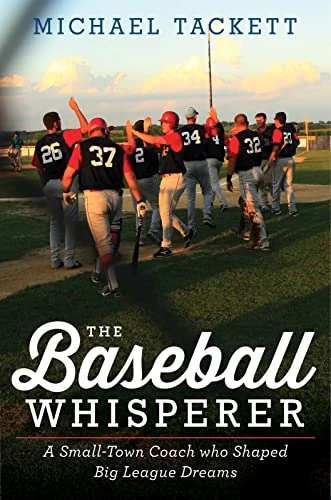
The Baseball Whisperer: A Small-Town Coach Who Shaped Big League Dreams
By Michael TackettReleased 2016Curated by SPMA Hub because sport culture lives beyond the field.
A small Iowa town became a stopping place on the road to major league baseball because Merl Eberly kept building opportunities there. Michael Tackett's The Baseball Whisperer tells the story of the Clarinda A's through a coach whose ambitions for his players extended beyond the next contract, and whose influence depended on a community willing to share them.
The Shelf
The Gist
Why it caught our attention
The Details
Quick facts

At A Glance
A small Iowa town became a stopping place on the road to major league baseball because Merl Eberly kept building opportunities there. Michael Tackett's The Baseball Whisperer tells the story of the Clarinda A's through a coach whose ambitions for his players extended beyond the next contract, and whose influence depended on a community willing to share them.

About This Shelf Item
About The Baseball Whisperer: A Small-Town Coach Who Shaped Big League Dreams
Eberly's approach joined demanding standards with a willingness to offer chances. That combination matters because discipline and opportunity can easily be discussed as though one must exclude the other. A player might need someone to insist on better conduct and someone to see a future beyond his present limitations. Tackett's subject occupied both roles. The emphasis on character gives the book a different measure of coaching success from a list of draft selections.
The celebrated alumni remain important, however. Their later careers demonstrate the level of talent passing through Clarinda, while their continuing regard for Eberly reveals what they believed they had received there. Ozzie Smith's involvement in a bronze memorial to the coach gives that gratitude a physical form. The gesture is meaningful because it comes after professional success, when the practical need for a summer coach has ended but the relationship's significance has not.

Why It Belongs
The Sport Connection
The account offers a useful view of talent development below the level of major institutions. Collegiate summer baseball sits between school competition and professional possibility, creating a brief but consequential environment for learning. Eberly's example makes the organisation surrounding that environment visible. Recruiting a promising player is only one part of the work; giving him a place to belong, clear standards and sustained attention can shape what he does with the opportunity. Community clubs will recognise the dependence on a few committed people. That strength also raises an organisational question: how can a programme preserve its values and relationships beyond the individual whose energy first held them together?

Our Recommendation
Why Read The Baseball Whisperer: A Small-Town Coach Who Shaped Big League Dreams
Readers interested in coaching will find more here than a succession of famous names. The book is also for people who volunteer with local teams, host young athletes or wonder why a modest club can matter so deeply to a town. Baseball knowledge helps readers appreciate the alumni, but the central relationships are accessible without detailed familiarity with collegiate summer leagues. Tackett's reporting gives attention to the work that precedes a professional career and to the lives that continue outside one. That perspective suits readers who enjoy sporting biographies in which a person's importance emerges through the people around him.
Final Thoughts
Arash's Final Thoughts
The Baseball Whisperer makes Clarinda's significance understandable without pretending that every promising player became a star. Eberly's legacy rests on a broader proposition: a serious sporting opportunity can also be an education in how to live with other people. Major league careers give the story public recognition, but they do not exhaust its meaning. The more durable achievement is a local institution that persuaded young athletes their conduct mattered, and a community that treated their development as something worth its time.
Keep Exploring
Similar Books on The Shelf


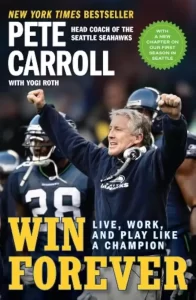
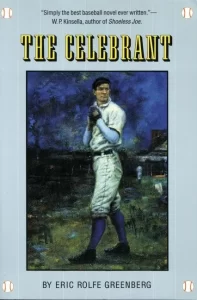

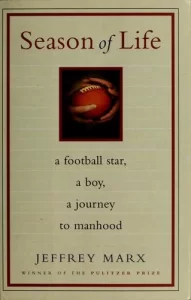
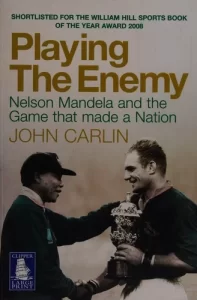

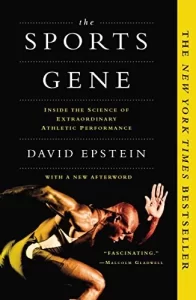
Same sport
More Baseball on The Shelf
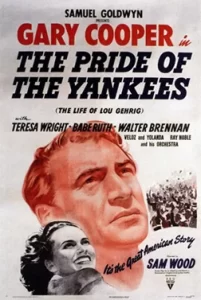




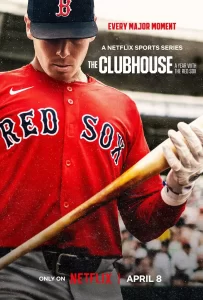
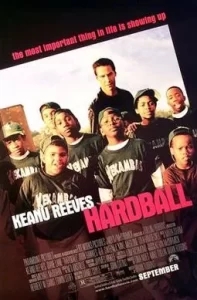

Stay in the loop
Follow SPMA
New jobs, interviews and sport-industry news in your feed.






Hiring now on Sports Hired
6766133 new jobs in sport this week
Teams, leagues, agencies and brands in Canadain the USAin Canada & the USA are hiring. Find your next role, or let new ones come to you.
317315632 open jobs2,3043,6215,925 organizations
Just posted
 Content Creation InternSport Management Hub · Toronto, ON★ Featured
 Community Engagement & Events InternNiagara River Lions · Thorold, ON1 hour ago
 Basketball CoachElite Camps · Toronto, ON1 hour ago
 Director, FinanceFront Office Sports · New York, NY20 hours ago
 Staff Engineer, Balance and Ledger - CoreFanatics Betting & Gaming · New York, NY22 hours ago
 Game Day Operator (New Jersey)Brodie Rec League2 days ago
- Content Creation InternSport Management Hub · Toronto, ON★ Featured
- Community Engagement & Events InternNiagara River Lions · Thorold, ON1 hour ago
- Basketball CoachElite Camps · Toronto, ON1 hour ago
Copied
