The Shelf · Books

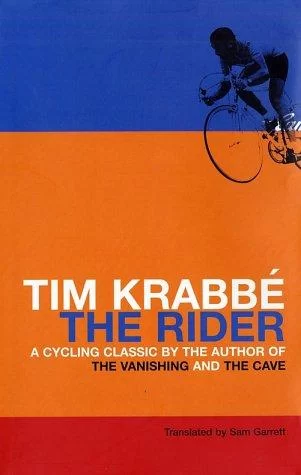
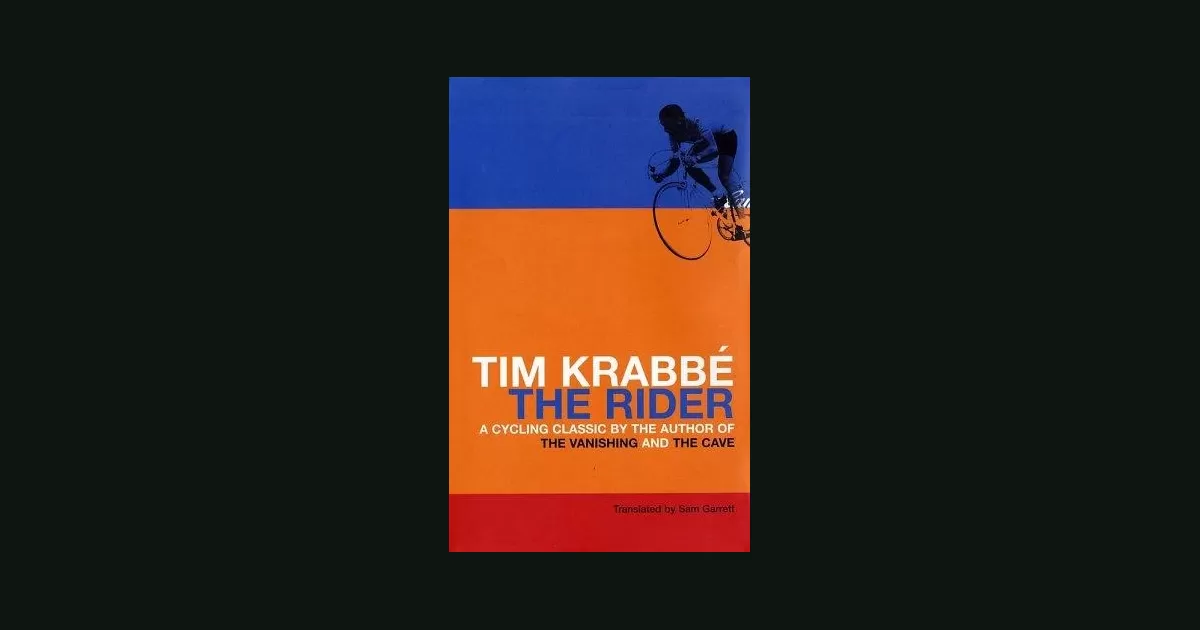
The Rider

By Tim KrabbéReleased 1978Curated by SPMA Hub because sport culture lives beyond the field.

The Rider compresses the world into the duration of a bicycle race. Tim Krabbé follows the shifting calculations, sensations and memories of a competitor on the road, making the reader inhabit the contest rather than observe it from the roadside. What appears externally as sustained effort becomes an intensely active interior life.

Alex Bennett
Covered by Alex Bennett
The Shelf
The Rider
The Rider
The Gist Of The Rider

The Gist

Why it caught our attention

Originally published in Dutch in 1978, the book centres on the Tour de Mont Aigoual in the mountains of southern France. Its compact form is fundamental to its effect. Instead of using a race as one episode within a career, Krabbé allows the race to become the structure through which the sporting mind is explored.

The narrative draws the reader into changing relationships with rivals, terrain and fatigue. Cycling provides a particularly rich setting because competitors must make decisions together and against one another, while their physical capacity to carry out those decisions keeps changing.

The Details

Quick facts

Format
Book
Author
Tim Krabbé
Published
1978
Genre
Fiction
Relevant Sport
Cycling

At A Glance

The Rider compresses the world into the duration of a bicycle race. Tim Krabbé follows the shifting calculations, sensations and memories of a competitor on the road, making the reader inhabit the contest rather than observe it from the roadside. What appears externally as sustained effort becomes an intensely active interior life.

About This Shelf Item

About The Rider

The road race is not merely a test of who can produce the greatest effort. Position, timing and interpretation matter. A rival's movement can be an opportunity, a threat or a misleading signal, and the rider has to act before certainty becomes available.

Krabbé's focus on consciousness gives those small judgements their proper scale. A spectator may see a group moving along a road; the participant experiences a sequence of urgent distinctions. Whether to follow, wait or spend energy can occupy the mind completely, even when the visible action looks almost unchanged.

Memories and associations interrupt the immediate present without taking the reader outside the competitive experience. Athletes do not arrive at a start as empty instruments of fitness. Previous races, ambitions and private ideas travel with them, influencing how a difficult moment is understood.

The book's intensity also captures the temporary authority of sport. During the race, its purposes can feel absolute. The rider's world is organized around consequences that may seem disproportionate to an outsider. Krabbé makes that commitment intelligible without requiring a grand explanation of why the rest of life should agree with it.

Why It Belongs

The Sport Connection

For sport communication, The Rider demonstrates what is lost when a contest is described only through results and visible incidents. The meaning of an apparently quiet stretch may exist in decisions the audience cannot see. Good storytelling can make those decisions accessible without manufacturing drama that was never present.

The book is also useful for coaches who want to understand an athlete's experience more precisely. A post-race account that begins with sensations and interpretations may reveal something a timing sheet cannot. The aim is not to treat every recollection as exact, but to recognize that the participant had to act within a changing subjective picture.

There is a broader lesson for event presentation. Spectators need enough context to understand why position or patience matters, especially in a sport where the decisive work may precede the final visible move. Krabbé's literary method shows how attention can be directed toward that hidden sequence.

Our Recommendation

Why Read The Rider

The Rider will appeal to cyclists, but its compact focus also makes it rewarding for readers interested in how prose can represent a mind under pressure. It does not require a long historical introduction before the sporting stakes begin to matter.

It is best approached as a literary work rather than a training resource. Its distinctive contribution is the shape and texture of experience: the narrowing of attention, the sudden expansion into memory and the return to a decision that cannot be postponed simply because it remains uncertain.

Alex Bennett

Final Thoughts

Alex's Final Thoughts

Krabbé makes the race feel large without enlarging its external scale. The Rider finds its world inside the effort to compete, where thought and movement are constantly adjusting to one another. Its lasting achievement is to show how much can happen within a sporting performance that, from the side of the road, might pass in a moment.