The Shelf · Books

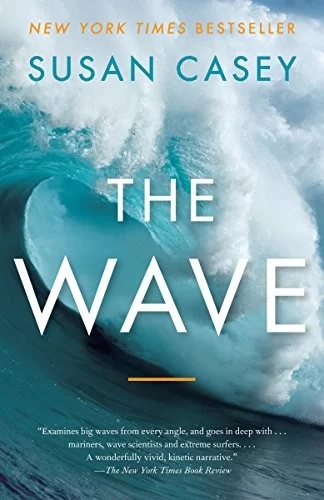
The Wave

By Susan CaseyReleased 2010Curated by SPMA Hub because sport culture lives beyond the field.

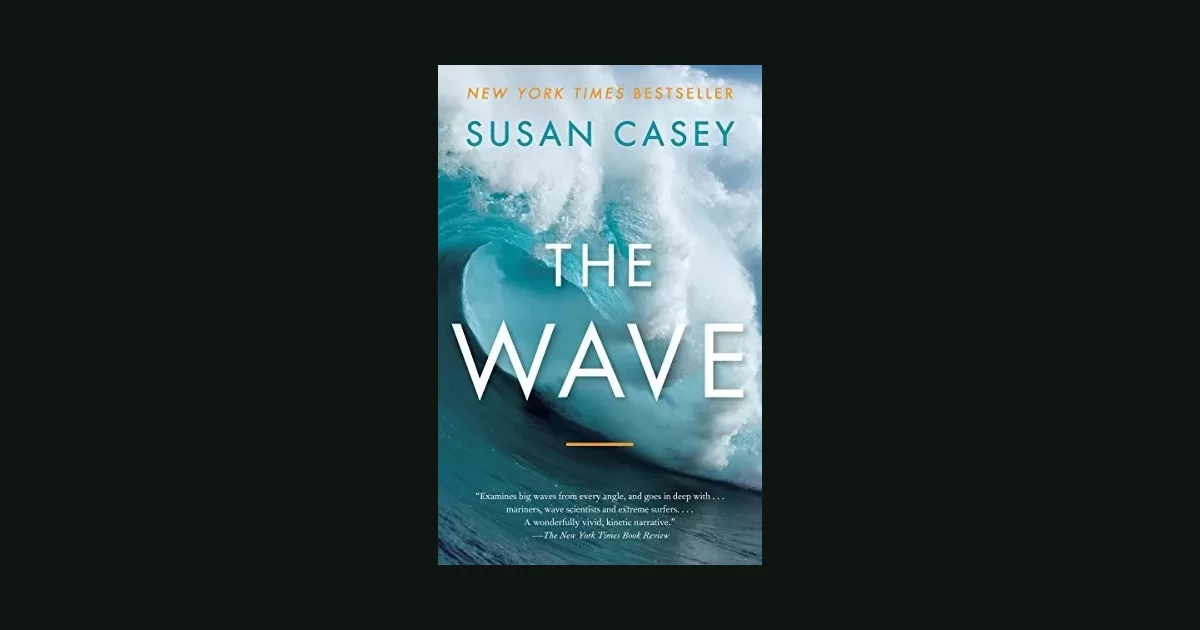
The Wave approaches enormous ocean waves from two directions: the people who try to understand them and the surfers drawn toward riding them. Susan Casey connects scientific curiosity with a sporting appetite for the exceptional. The ocean remains the central force, indifferent to whether a human observer sees opportunity, mystery or danger.

Alex Bennett
Covered by Alex Bennett
The Shelf
The Wave
The Wave
The Gist Of The Wave

The Gist

Why it caught our attention

Published in 2010, the book is reported nonfiction that crosses the usual boundary between sport and environmental writing. Big-wave surfing supplies one thread, while attempts to understand unusually powerful waves supply another. The combination keeps the athletic story within the natural conditions that make it possible.

That structure is important because surfing cannot be understood as a contest conducted on a standardized surface. The setting is not merely scenery. Water, weather and the difficulty of predicting what will arrive are part of the event, creating an uncertainty different from that of many stadium sports.

The Details

Quick facts

Format
Book
Author
Susan Casey
Published
2010
Relevant Sport
Surfing

At A Glance

The Wave approaches enormous ocean waves from two directions: the people who try to understand them and the surfers drawn toward riding them. Susan Casey connects scientific curiosity with a sporting appetite for the exceptional. The ocean remains the central force, indifferent to whether a human observer sees opportunity, mystery or danger.

About This Shelf Item

About The Wave

Casey's interest in exceptionally large waves invites a contrast between measurement and experience. Scientists seek explanations and reliable knowledge; surfers encounter the phenomenon through movement and immediate judgement. Those perspectives can inform one another without becoming interchangeable. Being able to ride a wave is not the same task as explaining how it forms.

The sporting attraction is equally complex. A very large wave can represent a rare opportunity precisely because it exceeds ordinary conditions. Yet describing that attraction only as thrill-seeking misses the knowledge and preparation involved, while describing it only as expertise can understate the consequences of error.

The book's movement across these perspectives helps keep both simplifications in check. Its subject is not a human conquest of a passive environment. It is an encounter with forces whose scale makes control partial, even for people with unusual experience.

Readers should also preserve the date of the scientific reporting. The book captures an investigation at a particular moment, rather than providing a permanently current account of ocean research. Its narrative value lies in the questions, encounters and competing ways of understanding the sea, not in replacing contemporary specialist work.

Why It Belongs

The Sport Connection

For people involved in outdoor sport, The Wave offers a useful way to think about the environment as an active constraint. Event planning cannot begin and end with participant skill. Conditions, access, support and the ability to change a plan all affect what an activity asks of the people involved.

The book also raises a media problem specific to spectacular natural settings. The most dramatic image may become the defining account of an activity, even though it conceals the decisions and support surrounding it. A useful sporting story should leave room for uncertainty and judgement, including occasions when proceeding is not the sensible choice.

Commercial attention can complicate that judgement. When exceptional conditions produce rare photographs and publicity, the temptation is to treat the arrival of a remarkable wave as an obligation. Casey's broader environmental frame helps resist that logic by reminding readers that nature does not adjust its consequences to a production schedule.

Our Recommendation

Why Read The Wave

This is a strong choice for readers who enjoy sport reporting that opens into a larger subject. The scientific and surfing strands offer different kinds of suspense: one concerns what can be known, the other what a person will attempt in the presence of that uncertainty.

Readers do not need to surf to appreciate the central tension. The attraction of an extraordinary natural event and the difficulty of understanding it are accessible themes, especially when the same wave can be viewed as a research problem, a threat and a coveted opportunity.

Alex Bennett

Final Thoughts

Alex's Final Thoughts

The Wave makes the sporting feat more interesting by refusing to isolate it from the sea. Casey's subject is the meeting of human curiosity and a scale of natural power that resists easy reassurance. Its lasting value is that enlarged perspective: the wave matters before anyone rides it, and it remains larger than the story told afterward.