The Shelf · Books

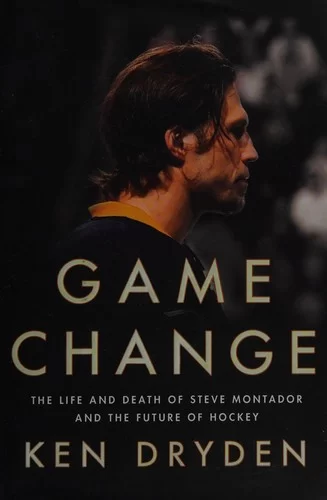
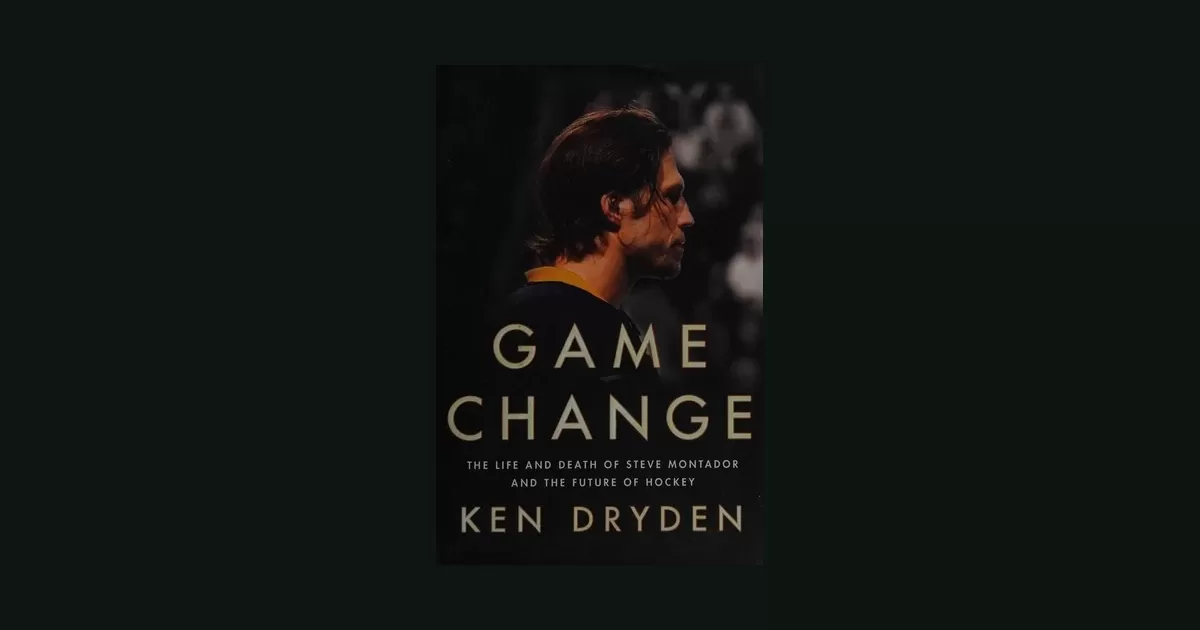
Game Change

By Ken DrydenReleased 2017Curated by SPMA Hub because sport culture lives beyond the field.

Game Change gives hockey's debate about head injuries a human centre. Ken Dryden follows the life of Steve Montador while examining how the sport developed and why its governing choices matter. The book asks readers to consider what hockey owes its players beyond the years in which they can perform.

Alex Bennett
Covered by Alex Bennett
The Shelf
Game Change
Game Change
The Gist Of Game Change

The Gist

Why it caught our attention

Published in 2017, this is a work of biography, sporting history and argument. Montador's death in 2015 and the subsequent diagnosis of chronic traumatic encephalopathy form part of its context. Dryden connects that individual story with the broader evolution of hockey rather than leaving injury in a separate medical compartment.

Dryden writes as a former Montreal Canadiens goaltender and an established observer of the game. That background matters to the book's stance. The demand for change comes from sustained engagement with hockey, challenging the assumption that protecting its participants must mean misunderstanding or disliking the sport.

The Details

Quick facts

Format
Book
Author
Ken Dryden
Published
2017
Relevant Sport
Hockey

At A Glance

Game Change gives hockey's debate about head injuries a human centre. Ken Dryden follows the life of Steve Montador while examining how the sport developed and why its governing choices matter. The book asks readers to consider what hockey owes its players beyond the years in which they can perform.

About This Shelf Item

About Game Change

Montador is not merely a name attached to a policy discussion. Following a player's life forces attention onto the person who exists before, during and after a professional career. A league can count games and incidents; a biography can show why those measures alone fail to describe what is at stake.

The historical dimension serves a related purpose. Hockey has already changed through choices about rules, equipment, speed and the way it is played. Once that development is taken seriously, appeals to an untouched tradition become less persuasive. The present version of a sport is an outcome of decisions, not a natural condition that administrators can only accept.

Dryden's argument links those decisions to responsibility. The reader is asked to think about how a game might remain compelling while reducing the risks its structures permit. That is a different question from asking players to be braver, or treating every harmful outcome as an unavoidable price of participation.

The medical material should be read in the context of the book's publication and purpose. It supports Dryden's examination of sport and institutional choices; the book is not a substitute for current clinical assessment or an individual diagnosis. Nor should a single life be made to carry claims beyond the evidence presented.

Why It Belongs

The Sport Connection

Game Change belongs in discussions of sport governance because it examines the distance between recognizing a problem and altering the conditions that produce it. Statements of concern are relatively easy. Rules, enforcement and incentives determine what happens when winning, entertainment and player welfare come into conflict.

For managers, the difficult issue is often distributed responsibility. Coaches, leagues, officials and athletes operate within the same environment while having different powers to change it. Placing the whole burden on a player's willingness to report symptoms can overlook decisions controlled elsewhere.

The book also makes time a governance issue. A sporting organization benefits from an athlete's present performance, while some consequences may become clearer only later. An adequate understanding of duty therefore cannot stop at the end of a contract, a season or a television broadcast.

Our Recommendation

Why Read Game Change

Readers who know Dryden through The Game will encounter a more explicitly reforming project here. The attention to hockey's culture remains, but biography gives the policy argument an immediate moral weight. This is useful reading for anyone who wants to discuss safety without reducing the conversation to a contest between toughness and caution.

It also encourages careful language. Respect for Montador requires recognizing the complexity of his life, while respect for evidence requires distinguishing documented findings from broader interpretations and proposals.

Alex Bennett

Final Thoughts

Alex's Final Thoughts

Game Change argues that caring about hockey includes asking what should change. Its strongest contribution is to connect the life of a player with the authority of the institutions surrounding him. The game is not outside human control. Dryden asks the people who shape it to treat that fact as a responsibility rather than an inconvenience.