The Shelf · Books

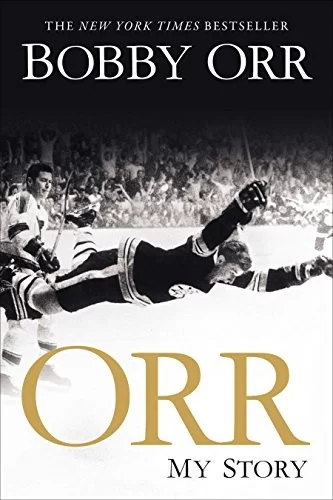
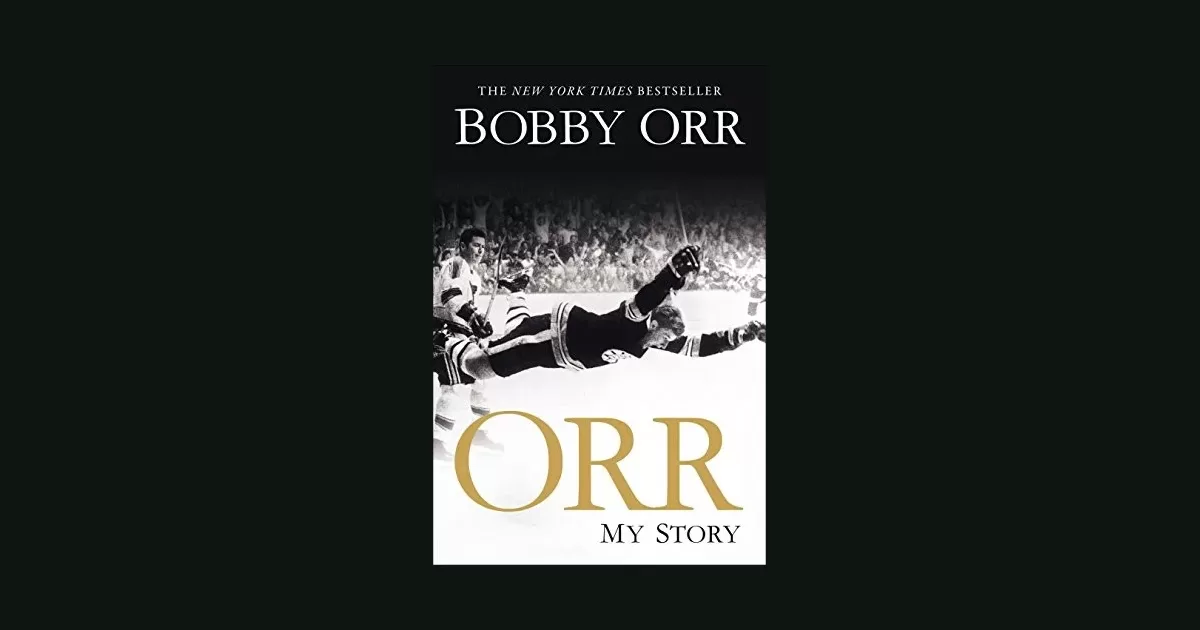
Orr: My Story

By Bobby OrrReleased 2013Curated by SPMA Hub because sport culture lives beyond the field.

Orr: My Story approaches a transformative hockey career through Bobby Orr's own recollections. The familiar image is of a defenceman changing what his position could be. The memoir broadens that image to include upbringing, support, injury and the challenge of building a life beyond an exceptional playing career.

Alex Bennett
Covered by Alex Bennett
The Shelf
Orr: My Story
Orr: My Story
The Gist Of Orr: My Story

The Gist

Why it caught our attention

Published in 2013, the book gives Orr control of a story that hockey audiences have long told through awards, photographs and highlights. His name carries a settled reputation, but autobiography allows him to choose different points of emphasis. Relationships and personal influences can matter as much as the achievements that dominate public memory.

The Boston Bruins remain central to that memory. Orr's attacking freedom from defence made him distinctive, and his success helped redefine the possibilities associated with the position. The memoir is therefore both a personal account and an entry into a significant change in the way hockey was played and understood.

The Details

Quick facts

Format
Book
Author
Bobby Orr
Published
2013
Relevant Sport
Hockey

At A Glance

Orr: My Story approaches a transformative hockey career through Bobby Orr's own recollections. The familiar image is of a defenceman changing what his position could be. The memoir broadens that image to include upbringing, support, injury and the challenge of building a life beyond an exceptional playing career.

About This Shelf Item

About Orr: My Story

Orr's example makes positional labels look less fixed. A defenceman can protect his own end while also driving the action toward the other goal. That combination requires skating, judgement and the confidence to identify opportunities before they disappear. His career is compelling because innovation appears through what a player does repeatedly, not only through an announced theory of the game.

The people who supported him are important to the memoir's perspective. A prodigy may become the centre of attention, but development still takes place within a network of family, coaches and teammates. Giving those relationships space challenges the idea that extraordinary ability makes its surroundings irrelevant.

Injury introduces a different measure of a career. Orr's knee problems are inseparable from the question of how long such a distinctive player could continue. A short playing life can produce an enormous legacy, but the public's admiration does not undo the personal consequences of physical limitation. The memoir invites readers to hold achievement and loss together.

Life after playing is therefore part of the story rather than a brief epilogue. A sporting identity formed early can outlast the body's ability to perform it professionally. For a person whose name becomes synonymous with excellence, finding a continuing relationship with hockey involves more than preserving a collection of highlights.

Why It Belongs

The Sport Connection

The sport management relevance begins with talent development. Orr's career suggests the value of recognising what makes a player unusual instead of asking every prospect to fit an inherited role. That is an observation about the possibilities his career demonstrates, not a claim that every unconventional approach will succeed.

The same account encourages scrutiny of how organisations support injured and retiring athletes. A player can be celebrated publicly while facing practical and emotional changes away from competition. Recognition, medical care, trustworthy advice and preparation for transition serve different needs. A club that treats all of them as a single matter of loyalty risks overlooking what the individual actually requires.

Our Recommendation

Why Read Orr: My Story

This memoir is well suited to readers who know Orr as a historical figure but want to understand the priorities of his own retrospective account. It offers a personal route into hockey's changing expectations of defence and into the costs of a career constrained by injury.

As with any autobiography, the perspective has limits. Orr's interpretation is the reason to read the book, but it is not a substitute for every other account of the period. The most productive approach gives his voice its proper weight while leaving room for the wider historical record.

Alex Bennett

Final Thoughts

Alex's Final Thoughts

Orr: My Story belongs on the SPMA shelf because it connects a revolution in playing style with an individual life. The career is remarkable not merely for how much Orr achieved, but for how decisively he expanded the imaginable role of a defenceman. His reflections add the relationships and physical realities that a highlight sequence cannot adequately contain.