The Shelf · Movies

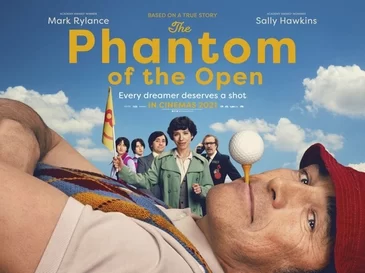
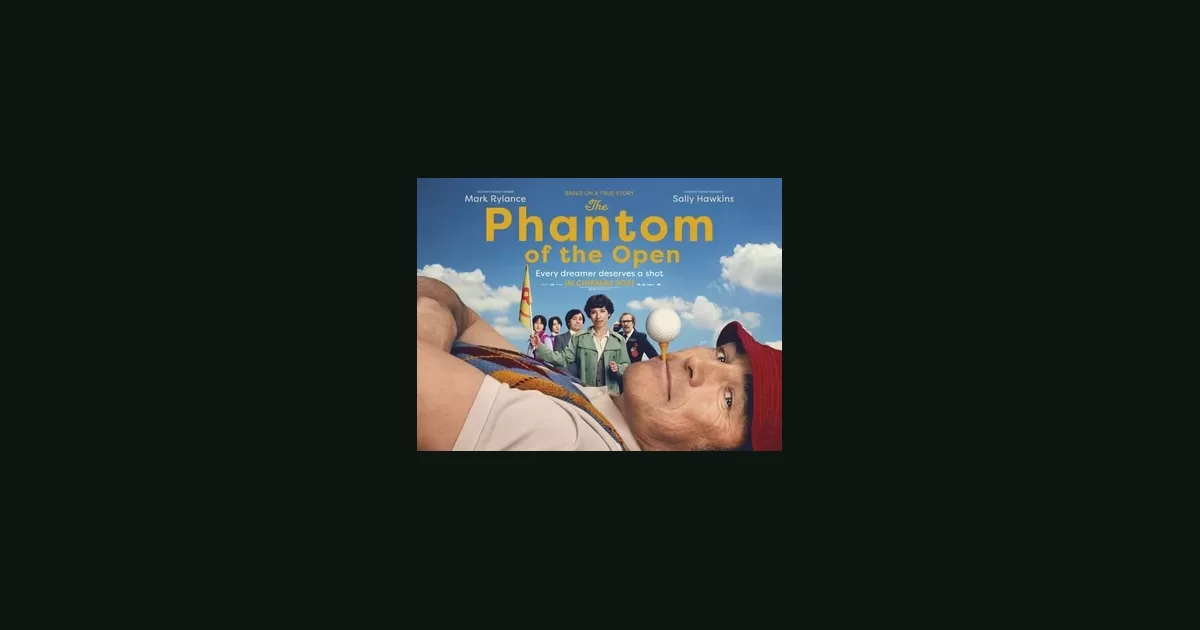
The Phantom of the Open

Released 2021Curated by SPMA Hub because sport culture lives beyond the field.

In The Phantom of the Open, Maurice Flitcroft does something sporting institutions rarely plan for: he enters a championship qualifier without the ability to compete at the required level. The resulting comedy is as much about golf's gatekeepers as it is about an irrepressible amateur.

Arash Sayed
Covered by Arash Sayed
The Shelf
The Phantom of the Open
The Gist Of The Phantom of the Open

The Gist

Why it caught our attention

Craig Roberts directs this adaptation of Simon Farnaby and Scott Murray's account of Flitcroft, the crane operator who gained entry to qualifying for the 1976 Open Championship and recorded a famously disastrous score. Mark Rylance plays him with an almost disarming sincerity; Sally Hawkins brings warmth and common sense to the role of his wife, Jean. Flitcroft approaches elite golf with little understanding of the standards expected of someone seeking a place in its most prestigious event.

The film deliberately makes that mismatch entertaining. Yet beneath the comedy sits a less comfortable question: when is a sporting body's responsibility to protect competitive standards in conflict with a participant's desire simply to take part? There is no convincing case that Flitcroft deserved a place on merit. There is a worthwhile case for examining how institutions explain their boundaries.

The Details

Quick facts

Format
Movie
Released
2021
Genre
Comedy
Relevant Sport
Golf

At A Glance

In The Phantom of the Open, Maurice Flitcroft does something sporting institutions rarely plan for: he enters a championship qualifier without the ability to compete at the required level. The resulting comedy is as much about golf's gatekeepers as it is about an irrepressible amateur.

About This Shelf Item

About The Phantom of the Open

Flitcroft is not a hidden genius whose talent the establishment fails to recognize. The film's charm depends on preserving that uncomfortable fact. His confidence is enormous, his preparation inadequate, and his interpretation of the rules often conveniently optimistic. Treating him as a standard motivational figure would miss the joke and the point.

Roberts contrasts a man's enthusiasm with the customs of a sporting world that already knows how respectable competitors are meant to look, speak and behave. Class matters here. Flitcroft does not arrive with the social credentials of a private-club insider, which makes officials' exasperation seem about more than his score. The film exaggerates and arranges events for comic effect, but its central historical episode provides a useful starting point for discussing who feels entitled to enter organized sport.

Why It Belongs

The Sport Connection

For event organizers, eligibility criteria are not boring administration. They protect safety, competitive integrity, participant confidence and the credibility of results. Golf's Open qualifying system cannot function as an unrestricted invitation to anyone who admires the game. A transparent threshold is a legitimate part of management.

But a sound participation strategy also recognizes the difference between defending elite standards and cultivating grassroots interest. Those missions often sit within the same national sporting ecosystem. Flitcroft's story prompts a question that should be familiar to golf development officers: can an organization be rigorous at the championship level while creating accessible routes for people who are starting late, lack established networks or have never belonged to a club? Confusing the two audiences makes both inclusion and competition harder to serve.

Our Recommendation

Why Watch The Phantom of the Open

Rylance's performance is finely balanced. He lets Flitcroft be ridiculous without demanding that the audience look down on him. Hawkins grounds a story that might otherwise become an extended sketch about a man refusing good advice. Their relationship suggests that participation can have value in a person's life even when an institutional result offers no vindication.

The film is less interested in the practical costs imposed on the people administering a championship. It also softens some awkward aspects of rule evasion. That imbalance is worth discussing rather than overlooking: a sympathetic character does not automatically make a fair rule unfair, and a well-run event should not need to humiliate an applicant to enforce its standards.

Arash Sayed

Final Thoughts

Arash's Final Thoughts

The Phantom of the Open is an unusually useful Shelf choice because its hero does not become an elite athlete. It asks what sporting success means outside the leaderboard, where organizations should draw enforceable lines and how those lines can be communicated without making newcomers feel that the game itself is not for them.