The Shelf · Movies

United

Released 2011Curated by SPMA Hub because sport culture lives beyond the field.

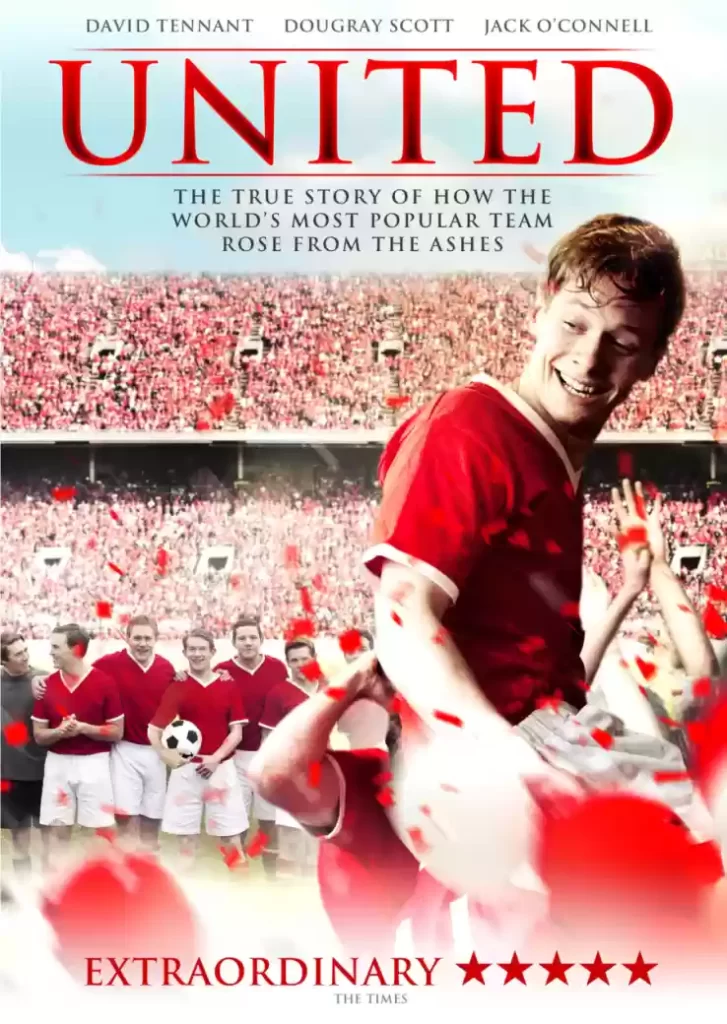
United places football's most difficult kind of succession problem at the centre of a drama: how a club continues after losing people who had defined its future. The 2011 television film recounts the Munich air disaster and the rebuilding of Manchester United.

Arash Sayed
Covered by Arash Sayed
The Shelf
United
United
The Gist Of United

The Gist

Why it caught our attention

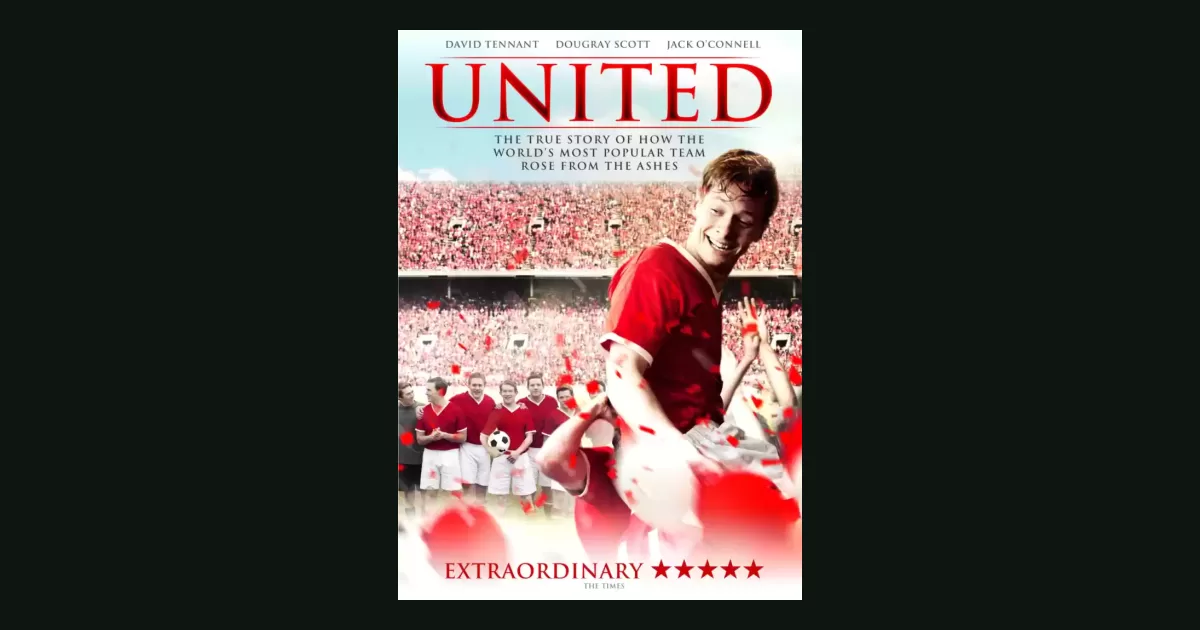
Directed by James Strong, United focuses on the 1958 plane crash that killed members of the Manchester United team known as the Busby Babes, along with journalists and other passengers. David Tennant plays assistant manager Jimmy Murphy, while Dougray Scott portrays Matt Busby. The film concentrates on the institutional aftermath of the tragedy as much as the crash itself.

The audience knows that United will eventually rebuild, but the characters do not have that reassurance. Murphy must confront grief alongside immediate decisions about personnel, competition and the responsibility of caring for survivors. That makes this a very different football story from one organized around signing the right player or winning a decisive final.

The Details

Quick facts

Format
Movie
Released
2011
Genre
Drama
Relevant Sport
Soccer

At A Glance

United places football's most difficult kind of succession problem at the centre of a drama: how a club continues after losing people who had defined its future. The 2011 television film recounts the Munich air disaster and the rebuilding of Manchester United.

About This Shelf Item

About United

The Busby Babes represented an ambitious football development philosophy, emphasizing talented young players in a competitive professional environment. Their loss was therefore personal and organizational. Friends and colleagues were gone, but so too were relationships and years of work that could not be replaced by identifying eleven names on a team sheet.


The film chooses a concentrated cast and a dramatic perspective rather than presenting a comprehensive history. Some portrayals and historical details have been disputed, and viewers should not treat every exchange as a verbatim account. Its central strength is the refusal to make recovery seem administrative or inevitable. The surviving members face the future under the weight of a past that deserves to be remembered, not simply overcome.

Why It Belongs

The Sport Connection

Crisis planning often appears in sport management as a technical checklist: insurance, communications, travel protocols, emergency contacts and business continuity. United makes the human dimension of those functions impossible to ignore. After a catastrophic event, an organization needs clear authority and practical decisions, but it also needs space for grief and a duty of care toward staff, families and communities.

Sporting institutions can be particularly vulnerable when leadership, talent and identity are concentrated in a small group. Succession and institutional memory matter long before a tragedy occurs. The film is not an emergency-response training manual, and modern professional obligations differ substantially from those of 1958. It is useful precisely because it puts the ethical and relational consequences behind otherwise abstract continuity planning.

The aftermath of a disaster also exposes a sporting institution's dependency on informal knowledge. Players, coaches and administrators carry relationships, routines and expectations that cannot simply be replaced on an organizational chart. Rebuilding requires attention to bereaved families, remaining staff and the people asked to take new responsibilities before they feel ready. United invites discussion of continuity planning without suggesting that a tragedy could have been made routine.

Our Recommendation

Why Watch United

Tennant gives Murphy a difficult task: remain decisive without appearing untouched by loss. That tension helps the film avoid portraying resilience as the absence of emotion. The club's supporters and surviving staff also establish that a football institution extends beyond the players currently able to take the field.

Its dramatic reconstruction cannot cover every individual experience, and its choices have to be compared with the historical record. A professional discussion might examine how clubs remember tragedy, communicate with families and preserve the dignity of people whose stories can otherwise become part of a commercial heritage narrative.

Arash Sayed

Final Thoughts

Arash's Final Thoughts

United belongs on the Shelf because it reveals the cost of treating a team as if it were only a competitive unit. A club is also a network of people, obligations and memories. Leadership after catastrophe means keeping that network intact without reducing those who died to symbols of a future triumph.