





For Taylor Corbin, Media Manager at the Missouri Youth Soccer Association (MYSA), communications work extends well beyond the screen. Alongside managing social channels, photography, design and the website, Corbin helps set up, run and break down the tournaments those channels promote. That combination brings a firsthand understanding of the experiences behind the content. Corbin’s story explores the versatility of nonprofit sports work, the self-directed learning involved in building a new role, and the preparation that leaves room for creativity. It also highlights a responsibility central to covering young athletes: making sure recognition is accurate, even when that means waiting to publish.
Industry Profile
Putting Players First in Youth Soccer Media
Taylor CorbinMedia Manager · Missouri Youth Soccer Association

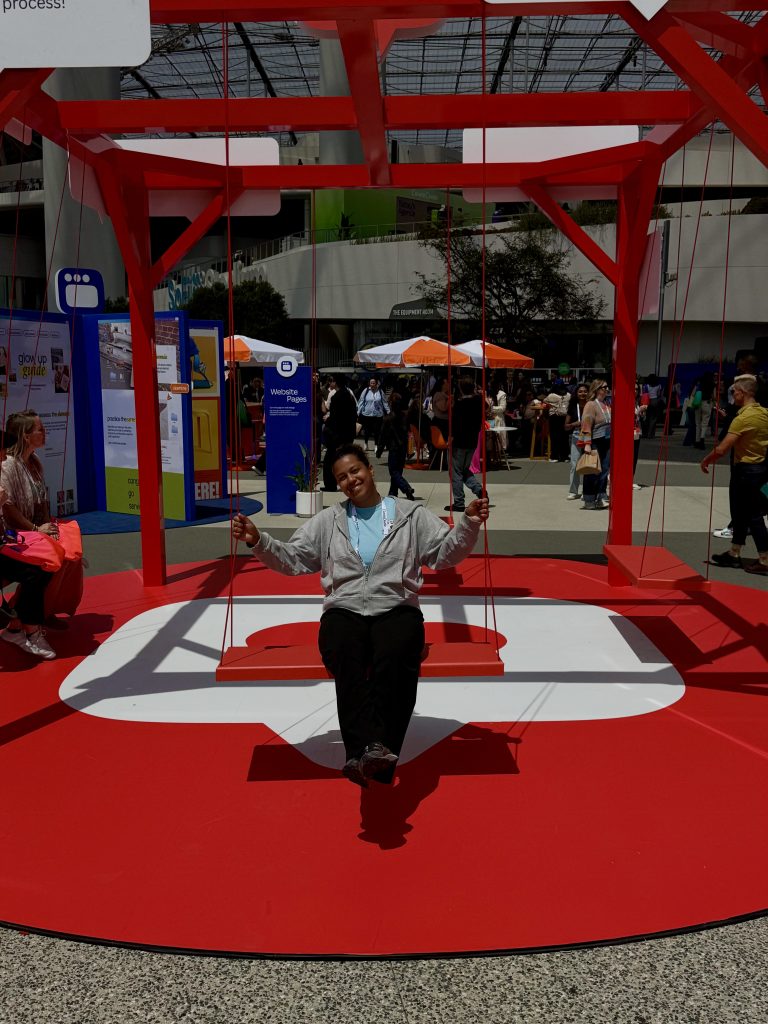
Being willing to learn, adapt and take a chance on yourself can take you a long way.
Introduction
The Conversation
Inside The Role
I’m the Media Manager for the Missouri Youth Soccer Association (MYSA), a 501(c)(3) nonprofit and the official state affiliate of U.S. Soccer and U.S. Youth Soccer, responsible for implementing programs, policies, and services that support player development across Missouri. My title says media, but at a nonprofit you help out wherever you’re needed, so my role covers several connected areas:
- Media and communications: I run our social media channels and news coverage, telling the stories of our players, coaches, referees, volunteers and member clubs.
- Photography: I’m MYSA’s photographer, capturing events, tournaments and programs so we have authentic images of Missouri youth soccer to share.
- Marketing and graphic design: I create the graphics behind our campaigns, including event promotions, program announcements, registration pushes and sponsor recognition, so MYSA looks consistent and professional wherever people see us.
- Website management: I manage missourisoccer.org, the main hub where families, clubs and coaches find programs, resources, policies and news.
- Tournament operations: I work alongside my boss to set up, manage and break down our tournaments, so I’m part of the events I promote, not just the person posting about them.
Because I handle all of these, a single event can go from promotional graphic to on-site operations to photos to a website recap and social posts without being handed off, so we can move quickly and keep our message consistent. Being on the ground at tournaments also helps me understand what players, families and clubs actually experience, and that makes my content better.
That flexibility is part of nonprofit life. With a small team, everyone pitches in where the organization needs them, and every resource counts. Because one person covers media, photography, design, the website and event support, MYSA can keep a professional, consistent presence without a large agency budget. That frees more of our resources for players, coaches and clubs. It also shapes how I see the job: I’m not selling a product, I’m helping more children get on the field.
At its core, MYSA’s mission is to provide children from all walks of life the opportunity to play and learn valuable life lessons from participation in the world’s most popular sport. Children can only take part in programs their families know about, and clubs and coaches need clear, accessible information to deliver a good experience. My work makes youth soccer in Missouri visible and easy to get into. It also helps show the community, sponsors and partners the impact of their support.
I start each morning by checking monday.com for new social media requests and reviewing upcoming deadlines, so I know what’s on my plate and what’s most urgent. Then I go through my email, especially for sponsorship information. Sponsor posts often need to be scheduled in advance, so I want to catch those early and get them on the calendar.
From there, most of my day is spent working ahead. A lot of what we do at MYSA revolves around events and registration windows tied to specific dates, so I try to stay one to two weeks ahead. That way the graphics and promotional content for each event or registration push are ready well before they’re needed, and we’re never scrambling at the last minute. I also keep the website current by adding new event pages, updating registration links and posting news, so families and clubs can always find the latest information in one place.
I also set aside time to be creative. I’ll brainstorm or browse online for trends and formats we could adapt for our audience, or come up with my own content ideas for the weeks ahead. That’s one of my favorite parts of the job. Planning keeps us on schedule, but the brainstorming time is what keeps our content fresh and engaging.
No two days are exactly the same, but the rhythm is consistent: stay organized, stay ahead of deadlines, and leave room for creativity.
Sports have always been part of my life. I played growing up, and that gave me a real understanding of and love for the athlete’s experience, which still shapes how I tell stories today.
In college I majored in digital media, and my internship with the athletics digital media team was a turning point. I helped create graphics, but I also did scorekeeping, filmed games, set up and broke down events, and handled administrative work behind the scenes. That experience showed me that working in sports means doing whatever it takes to make the event happen, not just the creative part. It prepared me for the “help wherever you’re needed” nature of my job now.
The biggest career decision I made was taking a leap of faith. I applied to organizations where I believed I could make a real impact, and when this opportunity came along, it meant moving away from my home state and out of my comfort zone. It wasn’t an easy choice, but it was the right one.
When I joined MYSA, I was the first person in this role, so there was no playbook. That let me bring a fresh perspective the organization hadn’t had before, but it also meant figuring a lot out on my own. My degree gave me a strong foundation in design, video and digital content, but social media strategy specifically was still fairly new to me. I didn’t have a supervisor in social media to guide me, so I relied on my own research, self-teaching, trial and error, and my understanding of how younger audiences use social media.
Looking back, those experiences taught me that you don’t need to have everything figured out before you start. Being willing to learn, adapt and take a chance on yourself can take you a long way.
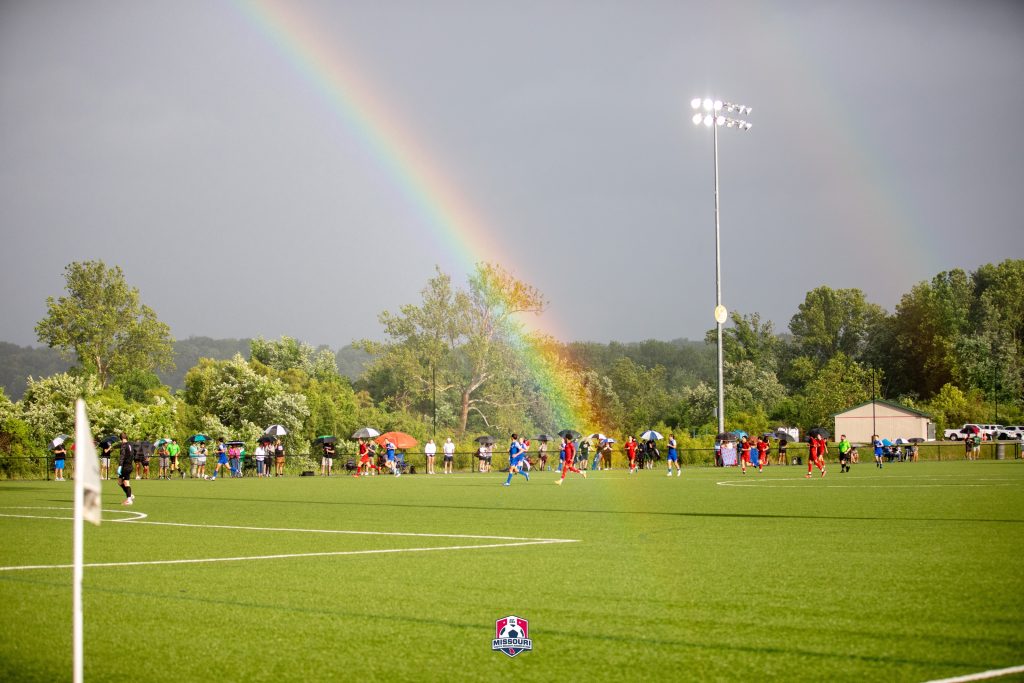
A good example is our coverage of the Missouri Olympic Development Program (ODP). ODP is part of the US Youth Soccer pathway, and its core mission is to identify, develop, and inspire the next generation of elite soccer players. More than 600 players take part in our program, and each year some of them are selected to represent Missouri at the regional or national level. Announcing those selections is one of the most exciting things we share all year.
It’s also one of the hardest. We can’t announce anything until the official selection lists come through, so the timing isn’t in our control. Even when a list arrives, it isn’t always final. Names can change, or a player may have been entered incorrectly. With young athletes and their families waiting to celebrate, accuracy matters. Leaving out a player, misspelling a name or announcing someone who wasn’t actually selected would be a real disappointment for a kid and their family.
To handle that, I prepare as much as I can ahead of time, such as graphic templates and post layouts, so I’m ready once we have confirmed names. I also double-check every list before anything goes out, even if it means waiting a little longer. It can be frustrating to have content ready and be stuck waiting, but in youth sports it’s more important to get it right than to post first.
The payoff makes it worth it. When those announcements go live, players, parents and clubs share them everywhere. For many of these kids, being recognized for an ODP selection is a huge moment, and seeing their excitement over a graphic I made or a photo I took is one of the most rewarding parts of my job.
For me, ODP captures what covering youth soccer is like: staying flexible, being patient with the process and getting the details right, all so we can celebrate young athletes the way they deserve.
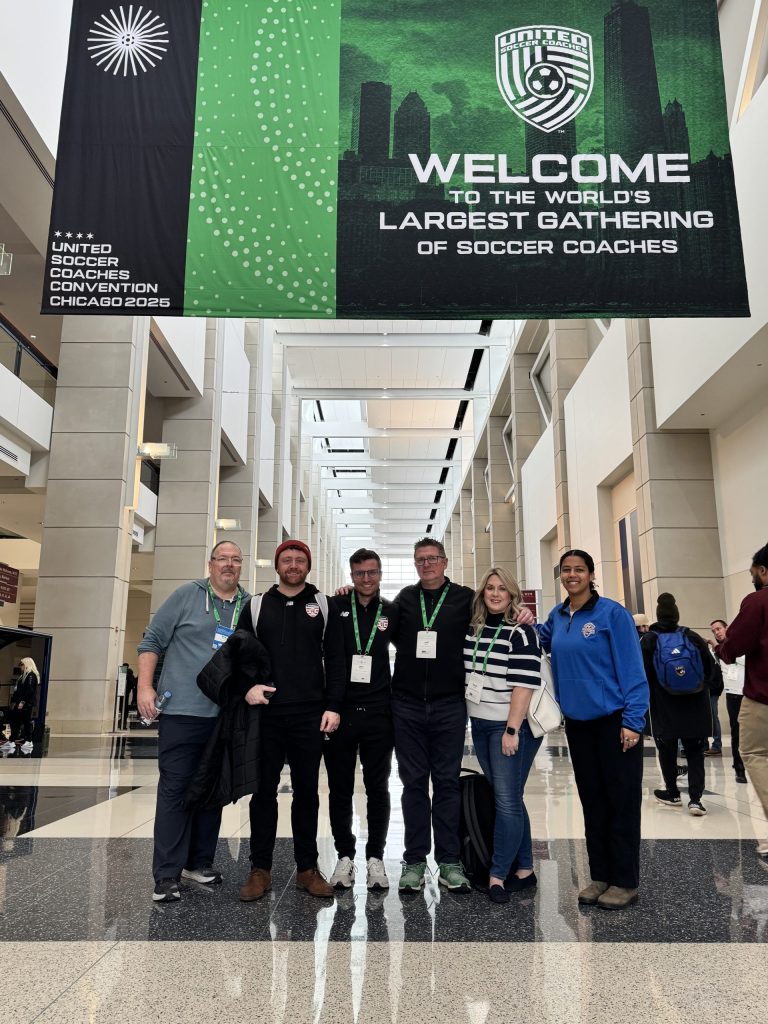
Inside the Organization
More From Work
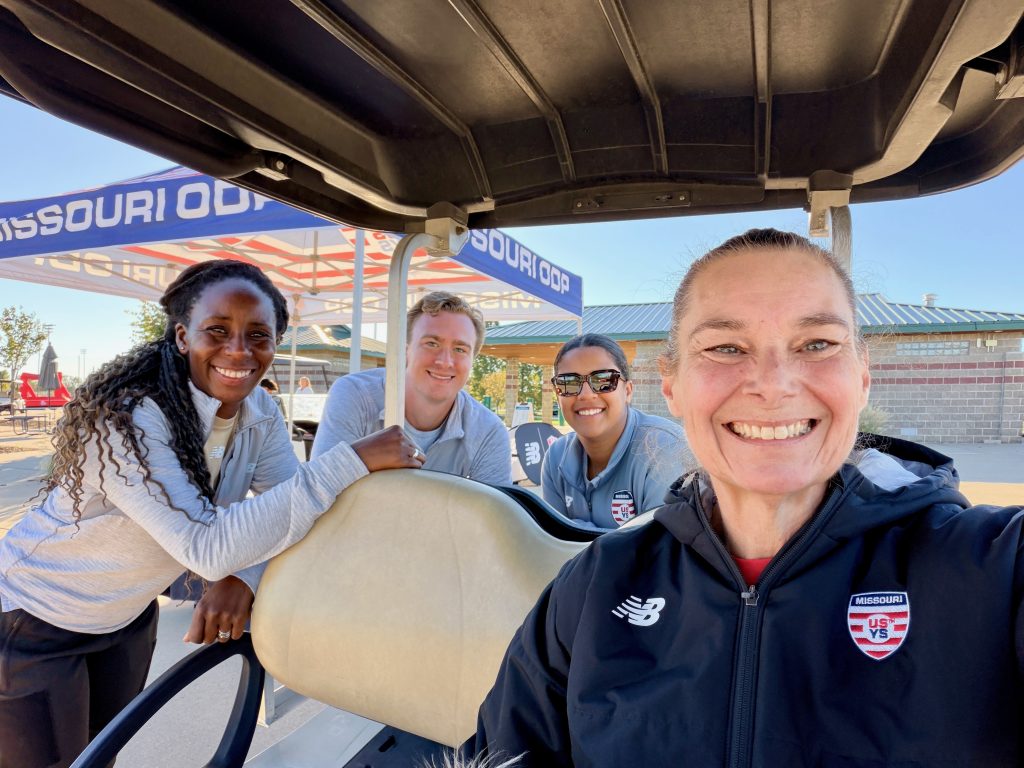
Final Thoughts
Alex's Final Thoughts
Corbin’s approach offers a practical lesson for sport-industry professionals: connect communication decisions to the people they affect. Preparing templates and promotional materials early creates breathing room, while checking selection lists protects the significance of a young player’s achievement. Helping with events also gives Corbin a closer view of the community the content serves. For those pursuing similar careers, the takeaway is not simply to develop more creative skills. It is to pair those skills with organization, a willingness to support operations and the patience to put reliable information ahead of speed.
Your next step
Want a career like Taylor's?
Find open roles across teams, leagues and sport organizations, or keep learning from the people already doing the work.

Connect With Taylor Corbin
Related organizations
Continue Reading
Related Industry Stories
Stay in the loop
Follow SPMA
New jobs, interviews and sport-industry news in your feed.






Hiring now on Sports Hired
51238289 new jobs in sport this week
Teams, leagues, agencies and brands in Canadain the USAin Canada & the USA are hiring. Find your next role, or let new ones come to you.
3671,0371,404 open jobs3,8558,20112,056 organizations
Just posted
 Office AdministratorBurlington Organized Minor Baseball Association (BOMBA) · Burlington, ON3 hrs ago
 AnalystOttawa Rapid FC · Ottawa, ON11 hrs ago
 Finance & Administration CoordinatorSport Nova Scotia · Halifax, NS14 hrs ago
 Administrative AssistantFirst Tee · Phoenix, AZ12 hrs ago
 Social Content ProducerExcel Sports Management · Irvine, CA13 hrs ago
 Events SpecialistFanatics · New York, NY13 hrs ago
- Office AdministratorBurlington Organized Minor Baseball Association (BOMBA) · Burlington, ON3 hrs ago
- AnalystOttawa Rapid FC · Ottawa, ON11 hrs ago
- Administrative AssistantFirst Tee · Phoenix, AZ12 hrs ago
Copied
