The Shelf · TV Series

Celtics City

Released 2025Curated by SPMA Hub because sport culture lives beyond the field.

HBO's Celtics City surveys the Boston Celtics across generations, treating championships, racial history and institutional memory as parts of the same franchise story. It is a study in how sports organizations inherit both competitive traditions and unfinished responsibilities.

Arash Sayed
Covered by Arash Sayed
The Shelf
Celtics City

The Gist

Why it caught our attention

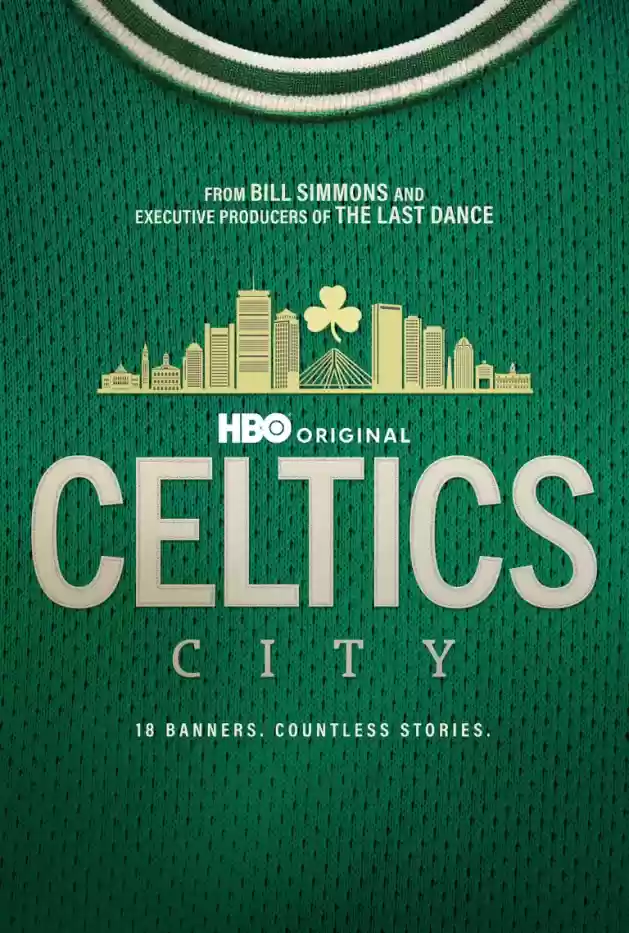
Released in 2025, the nine-part documentary is directed by Lauren Stowell and executive-produced by Bill Simmons and Connor Schell. It traces the Celtics from their early NBA years through their record-setting 18th title in 2024. That time span is ambitious. A team may change owners, coaches, arenas and star players repeatedly, yet fans often experience the organization as one continuous identity. Celtics City explores how that sense of continuity is constructed.

Red Auerbach, Bill Russell and the club's later generations occupy different periods and face different expectations. The series relies on archival material and interviews rather than a single season's access. It can therefore compare an organization's cherished mythology with events that complicated it, including the racial dynamics surrounding the team and the city.

The Details

Quick facts

Format
TV Series
Released
2025
Relevant Sport
Basketball

At A Glance

HBO's Celtics City surveys the Boston Celtics across generations, treating championships, racial history and institutional memory as parts of the same franchise story. It is a study in how sports organizations inherit both competitive traditions and unfinished responsibilities.


About This Shelf Item

About Celtics City

The partnership of Auerbach and Russell is central to the Celtics' public history, but Russell's significance exceeds his championship record. His experiences with racism and his pioneering role as a Black player-coach challenge any simple narrative of Boston as an uncomplicated model franchise. Celtics City places those tensions within a history also shaped by Larry Bird, later rebuilding periods and renewed contention. That mixture is valuable because a sports club cannot choose to preserve only its comfortable memories.

The documentary also has the benefit of distance from many of its early subjects. Interviews can contradict nostalgic assumptions, while archive footage shows the changing relationship between stars and the news media. Fans may already know which seasons end in a trophy. What remains interesting is how the organization built teams, resolved periods of decline and transmitted its identity between generations of employees and supporters.

Why It Belongs

The Sport Connection

Professional clubs routinely sell heritage through branding, museums, commemorative nights and documentary partnerships. That commercial use of history carries a duty of accuracy. The Celtics name has extraordinary value, but a responsible organization must be willing to address the people and conflicts that made its history difficult. A heritage strategy becomes brittle when it depends on pretending that sporting triumph erased discrimination or institutional failure.

The series also offers material for leadership succession. A competitive dynasty is not an operating manual that can be photocopied. Roster rules change, labour markets evolve and the tactical game moves on. Executives need to distinguish transferable principles such as accountability or talent evaluation from habits that worked only under one coach or one generation of players. Boston's periodic returns to the top illustrate that distinction better than an isolated title run could.

Our Recommendation

Why Watch Celtics City

For sports management students, Celtics City works as a long-form case in stakeholder relationships. The stakeholders are not just an owner and a roster. Former players, city residents, broadcasters, season-ticket holders and fans abroad all make claims on the meaning of the franchise. Their memories may not agree, and an institution benefits from hearing those differences before deciding how to tell its story.

Like any authorized or heavily access-driven sports documentary, the project should not be treated as the final accounting of every executive decision. Viewers can use the interviews as evidence while seeking independent reporting where financial, labour or personal disputes matter. The series' value increases when it prompts that additional research rather than ending it.

Arash Sayed

Final Thoughts

Arash's Final Thoughts

Celtics City earns its Shelf place by making a simple point difficult to ignore: franchises are historical institutions as well as teams trying to win the next game. Boston's 18 championships provide a compelling structure, but the most instructive passages ask how a storied organization responds to social change, leadership turnover and the gap between the reputation it promotes and the history it carries.