
The Shelf · TV Series

GLOW

Released 2017Curated by SPMA Hub because sport culture lives beyond the field.

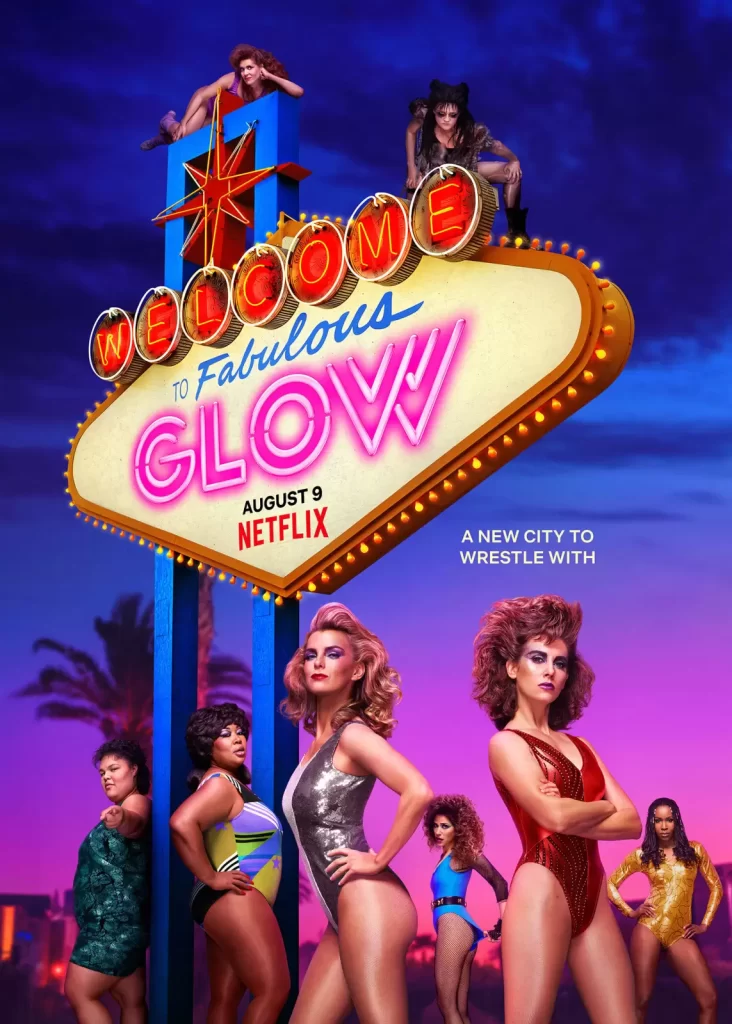
GLOW turns a television wrestling programme into a workplace where women who have been overlooked elsewhere can become impossible to ignore. Set in 1980s Los Angeles, the comedy drama is interested in what those women gain from performance and what the business asks them to surrender.

Alex Bennett
Covered by Alex Bennett
The Shelf
GLOW
GLOW
The Gist Of GLOW

The Gist

Why it caught our attention

The series began in 2017 and takes inspiration from the original Gorgeous Ladies of Wrestling television show. Its characters and central relationships are fictional. That distinction matters: GLOW uses the historical premise to build an ensemble drama, rather than presenting a documentary reconstruction of the real performers' lives or a complete history of women's wrestling.

Ruth Wilder, played by Alison Brie, enters the project as an actress struggling to find work. Debbie Eagan, played by Betty Gilpin, arrives with a personal connection that makes working together difficult. Their professional collaboration becomes inseparable from damaged friendship, giving the ring a tension that cannot be settled simply by deciding who wins.

The Details

Quick facts

Format
TV Series
Released
2017
Genre
Comedy
Relevant Sport
Wrestling

At A Glance

GLOW turns a television wrestling programme into a workplace where women who have been overlooked elsewhere can become impossible to ignore. Set in 1980s Los Angeles, the comedy drama is interested in what those women gain from performance and what the business asks them to surrender.

About This Shelf Item

About GLOW

The wrestling project provides roles for women whom conventional casting has often treated as peripheral. Yet those roles can require exaggerated stereotypes rather than freedom from stereotyping. Visibility and dignity do not always arrive together. GLOW makes that contradiction part of its premise instead of assuming that being given a microphone automatically means being allowed a meaningful voice.

Ruth approaches performance through ideas, rehearsal and character construction. Wrestling requires her to connect those interests to physical coordination and the reactions of a live audience. The adjustment makes her a useful centre for the story: she wants to be taken seriously in a form of entertainment that outsiders may dismiss before understanding its demands.

Debbie's presence complicates any easy celebration of a new sisterhood. Personal injury survives inside professional collaboration, and the performance can give those feelings a public outlet. The series does not need the fictional matches to become genuine contests to make them emotionally consequential. People can agree on an outcome and still be struggling over recognition, control and trust.

Why It Belongs

The Sport Connection

The sport-business connection rests first on labour. These women are building characters and training their bodies for a product whose opportunities are controlled by others. Their contribution exceeds the time visible on television. Rehearsal, physical risk and the work of sustaining an on-screen identity sit behind a programme that can look disposable to its financiers.

GLOW is also useful for considering the difference between representation and ownership. A show can feature women prominently while leaving important decisions about tone, money and direction elsewhere. The characters' ability to appear on screen should therefore be distinguished from their ability to shape the workplace or benefit from the value they help create.

Its period setting sharpens the question of how entertainment markets package difference. Nationality, appearance and social identity can become shortcuts for instantly readable characters. Those shortcuts may create a strong crowd response while constraining the performer. The series invites discussion of who gets to reject an assigned image and who risks losing their place by doing so.

Our Recommendation

Why Watch GLOW

Viewers interested in women's sport, creative work and ensemble storytelling will find more here than a sequence of wrestling jokes. The athletic component is inseparable from friendship, economic need and professional ambition. The series is particularly effective as a companion to conversations about how a workplace can offer real opportunity while still reproducing the prejudices its participants hoped to escape.

Alex Bennett

Final Thoughts

Alex's Final Thoughts

GLOW's appeal comes from refusing to treat performance as the opposite of sincerity. The costumes and invented rivalries may be exaggerated, but the desire to matter is not. Beneath its flamboyant premise is a specific argument about work: being seen can change a life, yet visibility alone does not guarantee respect or lasting power.